
How Nature Can Improve Your Mental and Emotional Health

Why Stepping Outside Might Be the Best Therapy You’re Not Using
Picture this: a stressful week at work, a mind racing with deadlines, and then—a simple walk through a local park. Within minutes, something shifts. This is not a coincidence; it is science in action.
Research increasingly shows that nature improve mental health outcomes in ways many Americans overlook. From national parks to city green spaces, the natural world offers a powerful, accessible remedy for modern stress. In fact, the American Psychological Association has noted a growing body of evidence suggesting that even brief encounters with greenery can shift brain activity away from rumination and toward calm, present-moment awareness.
The Science Behind Nature’s Healing Power
Studies from institutions like Stanford University reveal that spending just 20 minutes in nature can lower cortisol levels significantly. This connection between mental health and nature therapy is gaining traction among healthcare professionals nationwide. Some doctors in states like Vermont and Oregon have even begun writing “park prescriptions,” encouraging patients to spend structured time outdoors as part of their treatment plans.
Consider what outdoor exposure can do for your wellbeing:
- Reduces symptoms of anxiety and depression
- Improves focus and cognitive function
- Boosts mood through increased serotonin production
- Lowers blood pressure and heart rate
Beyond these physiological effects, researchers have found that exposure to natural light and greenery can also improve sleep quality, a benefit especially relevant to Americans juggling long work hours and screen-heavy routines.
Beyond the Basics: What This Article Covers
This piece explores the tangible benefits of nature for emotional health, backed by real data and expert insights. You will discover practical outdoor activities for mental wellness that fit into busy American lifestyles, from lunchtime walks in urban parks to weekend hikes along scenic trails.
We will also examine how nature and stress relief work together, and why experts recommend simple strategies to connect with nature for happiness—even in the middle of a bustling city like New York or Chicago. Whether it is sitting by a fountain in a downtown plaza or tending a small balcony garden, these accessible moments of connection may hold surprising power over long-term mental resilience.
CHECK OUT: The importance of the practice of gratitude for mental well-being in daily life
The Biology of Calm: How Green Spaces Rewire Your Brain
To understand why nature improve mental health so effectively, scientists point to something called attention restoration theory. Developed by psychologists Rachel and Stephen Kaplan, this theory suggests urban environments demand constant directed attention, while natural settings allow the mind to wander freely and recover.
This distinction matters more than most people realize. A study published in the journal Environmental Health Perspectives found that participants who walked through forested areas showed measurably reduced activity in the subgenual prefrontal cortex, a brain region linked to depressive rumination. Compare that to city walkers, whose brain scans showed no such improvement.
The implications stretch far beyond a single walk in the woods. Researchers in Finland—often cited as a global benchmark for outdoor wellness research—found that just five hours per month in nature was enough to produce measurable improvements in mood and stress resilience. American health systems are beginning to take note.
What is particularly striking is how quickly the body responds. Cortisol levels, the primary stress hormone, have been shown to drop within twenty minutes of exposure to green environments, according to research conducted by scientists at the University of Michigan. Heart rate variability, a marker of the body’s ability to manage stress, also improves in similar timeframes. This rapid physiological shift suggests that nature is not simply a pleasant backdrop for relaxation, but an active biological intervention. Sleep quality, immune function, and even blood pressure readings have been linked to regular green space exposure in longitudinal studies tracking urban populations over multiple years.
Why American Cities Are Rethinking Green Space
Urban planners in cities like Minneapolis, Austin, and Seattle have started prioritizing green infrastructure specifically because of its link to mental health and nature therapy. This is not simply about aesthetics; it is about public health outcomes.
Consider the following data points that illustrate this shift:
- Chicago’s Green Health Initiative has linked neighborhood park access to lower reported rates of anxiety among residents
- Portland’s urban forestry program has expanded tree canopy coverage partly to combat rising stress-related health complaints
- New York City’s “green prescriptions” pilot partners with local clinics to refer patients to nearby parks for structured outdoor time
- San Francisco’s community garden network has grown by over 30 percent in the past decade, driven largely by demand for accessible nature connection
These initiatives reflect a broader recognition: nature and stress relief are not abstract wellness trends but measurable, replicable outcomes worth investing in.
Insurance companies and healthcare providers are also entering the conversation. Some regional health networks in the Pacific Northwest have begun exploring reimbursement models for nature-based therapy sessions, treating time outdoors with the same seriousness as other preventive care measures. This shift signals a growing acceptance that environmental factors deserve a place alongside traditional treatment plans, particularly for patients managing anxiety, mild depression, or chronic stress.
What makes this especially relevant is accessibility. You do not need a national park nearby to experience these benefits. A tree-lined street, a rooftop garden, or even a windowsill herb planter can trigger similar physiological responses, according to environmental psychologists studying urban wellness patterns across the country. Even brief, repeated exposure appears to matter more than occasional lengthy excursions, suggesting that consistency, rather than intensity, may be the real key to unlocking nature’s psychological benefits for everyday Americans navigating busy, screen-saturated lives.
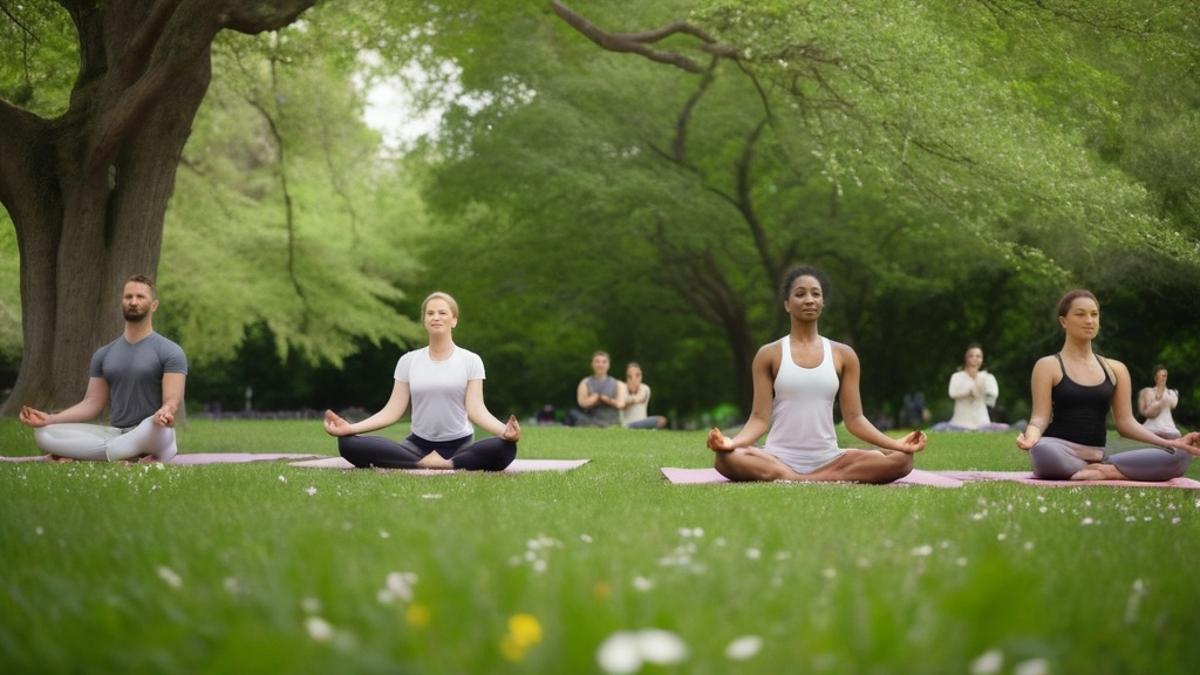
Key Aspects of How Nature Can Improve Your Mental and Emotional Health
Scientific research consistently confirms that nature improve mental health outcomes through multiple pathways, from stress hormone reduction to enhanced mood regulation. The table below breaks down specific outdoor activities for mental wellness and their measurable psychological benefits, offering a quick reference before diving deeper into each mechanism.
| Nature Activity | Emotional & Mental Benefit |
|---|---|
| Forest Bathing (Shinrin-yoku) | Lowers cortisol levels by up to 16%, easing anxiety naturally |
| Blue Spaces (Lakes, Ocean) | Promotes calmness and supports nature and stress relief |
| Community Gardening | Builds social bonds, key for connect with nature for happiness |
| Sunlight Exposure | Boosts serotonin, central to mental health and nature therapy |
Each entry above highlights how the benefits of nature for emotional health extend far beyond simple relaxation, offering structured, science-backed interventions worth exploring further.
DISCOVER MORE: Click here to dive into mindful eating practices
# Beyond the Park Bench: Practical Ways to Weave Nature Into Daily Life
Outdoor Activities That Deliver the Biggest Emotional Payoff
Not all outdoor experiences produce equal results. Researchers studying outdoor activities for mental wellness have started ranking activities by their psychological impact, and the findings might surprise anyone who assumes a quick glance out a window counts as nature exposure.
A study from the University of Exeter, which tracked thousands of participants through a smartphone app called Urban Mind, found that engagement matters as much as location. Simply passing by a park produced modest benefits, but actively noticing birdsong, water, or trees amplified mood improvements significantly, sometimes doubling reported feelings of wellbeing compared to passive exposure.
This helps explain why certain activities consistently outperform others in wellness research:
- Forest bathing, adapted from the Japanese practice of shinrin-yoku, has gained traction in states like Vermont and California, where guided sensory walks slow participants down enough to register subtle environmental details
- Cold-water immersion in natural settings, popular among wellness communities in the Great Lakes region, has been linked to short-term reductions in anxiety symptoms
- Birdwatching, once considered a niche hobby, now shows measurable links to lower psychological distress in surveys conducted by the Royal Society for the Protection of Birds and mirrored in American ornithological studies
- Gardening, whether in a backyard plot or a shared community space, correlates with reduced cortisol and improved self-esteem, according to horticultural therapy research
What ties these activities together is sensory engagement. Nature seems to work best when it demands attention through sound, texture, or movement, rather than serving as passive scenery.
Small Doses, Real Results: Rethinking What Counts as Nature Therapy
One misconception deserves attention: many people believe meaningful nature exposure requires significant time or travel. Data suggests otherwise.
A widely cited study from the University of Michigan found that just ten minutes sitting outside, without a phone, produced noticeable improvements in perceived stress levels among college students juggling demanding schedules. Ten minutes. That is a shorter commitment than most lunch breaks.
This accessibility is central to the growing conversation around connect with nature for happiness as a realistic, sustainable habit rather than an occasional luxury. Therapists specializing in ecotherapy, a growing field across states like Colorado and North Carolina, increasingly recommend “micro-doses” of outdoor time integrated into ordinary routines: eating breakfast on a porch, taking phone calls while walking outside, or parking farther from an entrance to lengthen exposure to open air.
Employers are noticing too. Companies in tech hubs like Austin and Denver have begun incorporating outdoor meeting spaces and walking paths into office campuses, citing internal data linking green breaks to improved focus and reduced reported burnout among employees.
The overall pattern emerging from this research is refreshingly practical: consistent, brief, intentional contact with the natural world may matter more than occasional grand excursions, making the benefits of nature for emotional health available to nearly anyone willing to step outside for a few minutes each day.
The Takeaway: Why Nature Deserves a Permanent Spot in Mental Health Conversations
Across every study, survey, and city experiment cited so far, one theme keeps surfacing: the evidence that nature improve mental health outcomes is not fringe science anymore. It is backed by neuroscience, public health data, and real behavioral change happening in cities from Seattle to Miami.
What makes this research compelling is its accessibility. Unlike many wellness trends that require subscriptions, equipment, or specialized training, the benefits of nature for emotional health are available to almost anyone with a park, a backyard, or even a windowsill garden.
The larger lesson may be about attention rather than access. Whether it is birdwatching in Ohio, forest bathing in the Pacific Northwest, or ten quiet minutes on a New York City stoop, the common thread is presence. People who slow down enough to notice their surroundings consistently report stronger results than those who treat nature as background noise.
This reframes mental health and nature therapy as less about escaping daily life and more about changing how people move through it. Micro-habits, brief walks, unplugged lunch breaks, weekend hikes, all count as legitimate tools rather than lesser substitutes for clinical treatment.
Still, researchers caution against viewing green space as a cure-all. Nature and stress relief strategies work best alongside, not instead of, professional mental health care when needed.
As more employers, therapists, and city planners factor outdoor access into wellness strategies, the conversation is shifting from whether nature helps to how much daily exposure people actually need. That question, still being studied in real time, may shape the next decade of public health guidance.
Frequently Asked Questions
How much time in nature is needed to see mental health benefits?
Research suggests that spending just 20 to 30 minutes in a natural setting can lower stress hormone levels and improve mood. Studies also show that 120 minutes per week, whether in one visit or spread across several, is linked to better overall well-being. Even short daily walks in a park can make a noticeable difference over time.
Can looking at pictures of nature improve mental health if I can’t go outside?
Viewing images or videos of natural landscapes can reduce stress and improve mood, though the effect is milder than being outdoors in person. This is especially useful for people who are homebound, live in dense urban areas, or have mobility limitations. Adding plants, nature sounds, or a window view of greenery to your home or office can offer similar smaller-scale benefits.
What is forest bathing and how does it help with anxiety and depression?
Forest bathing, or shinrin-yoku, is a Japanese practice of mindfully immersing yourself in a forest environment using all five senses. Studies show it can lower cortisol levels, reduce blood pressure, and ease symptoms of anxiety and depression more effectively than walking in an urban setting. The practice emphasizes slow, intentional movement rather than exercise or hiking distance.
Does living in a city with limited green space still allow me to benefit from nature?
Yes, even small doses of nature such as a local park, community garden, or tree-lined street can improve mental health for city dwellers. Research on urban green spaces shows reduced rates of depression and anxiety among residents who have regular access to parks. Indoor plants, balcony gardens, or a weekend trip to a nearby natural area can also help offset limited access to larger green spaces.
Are certain types of natural environments more effective for emotional health than others?
Blue spaces like oceans, lakes, and rivers have been shown in some studies to be particularly calming and restorative for emotional health, sometimes more so than green spaces alone. Forests and wooded areas are especially effective for reducing anxiety and mental fatigue due to their sensory richness and shade. Ultimately, the best environment is one you find personally relaxing and can visit consistently, since regular exposure matters more than the specific type of landscape.

Linda Carter
Linda Carter is a writer specializing in healthy habits and balanced living. With extensive experience helping readers build sustainable routines, she shares practical guidance on nutrition, physical activity, quality sleep, stress management, and emotional well-being. Her goal is to offer simple, accessible strategies that inspire people to care for their health and enjoy a more balanced life.