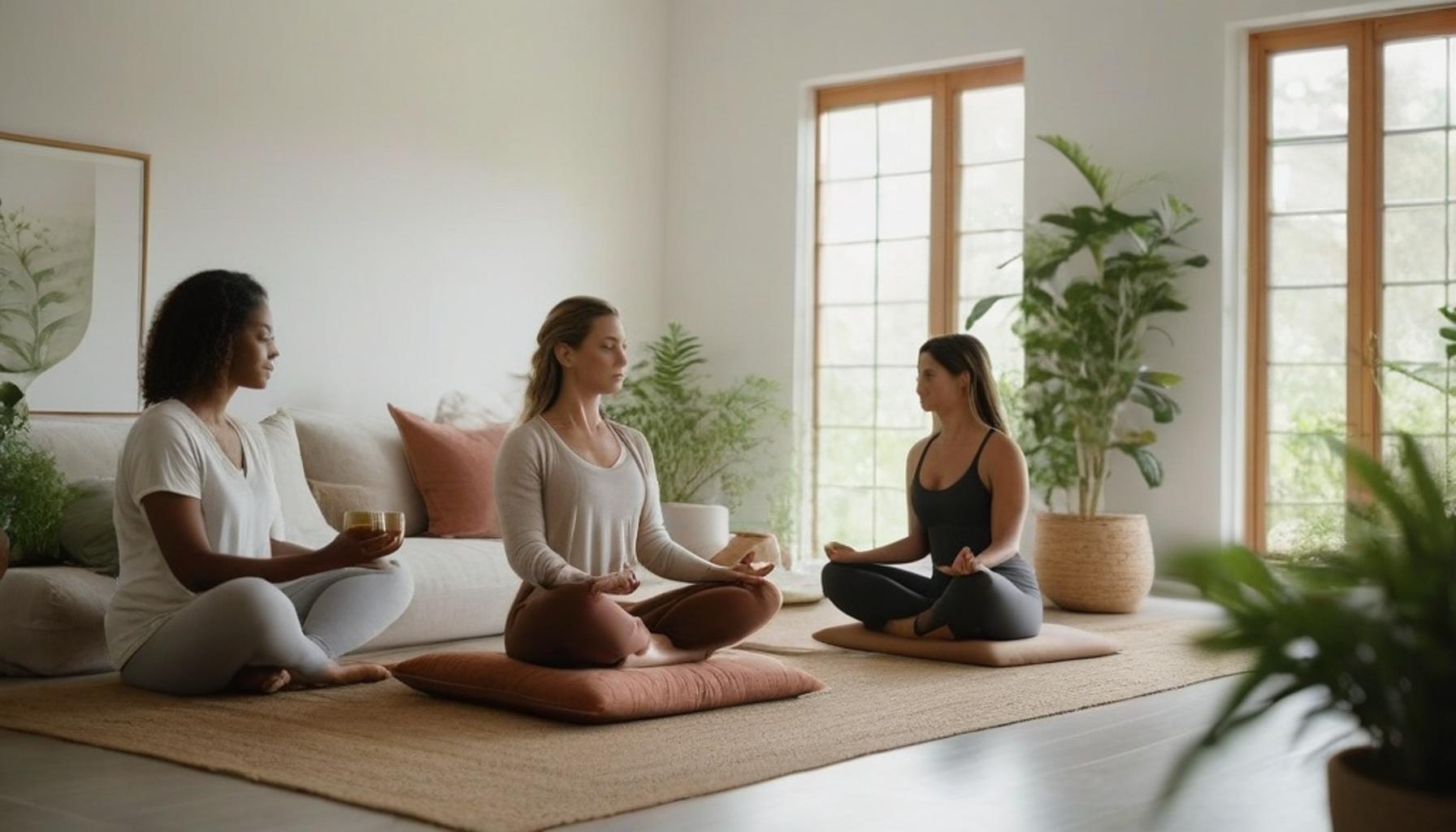
The importance of daily meditation for mental health
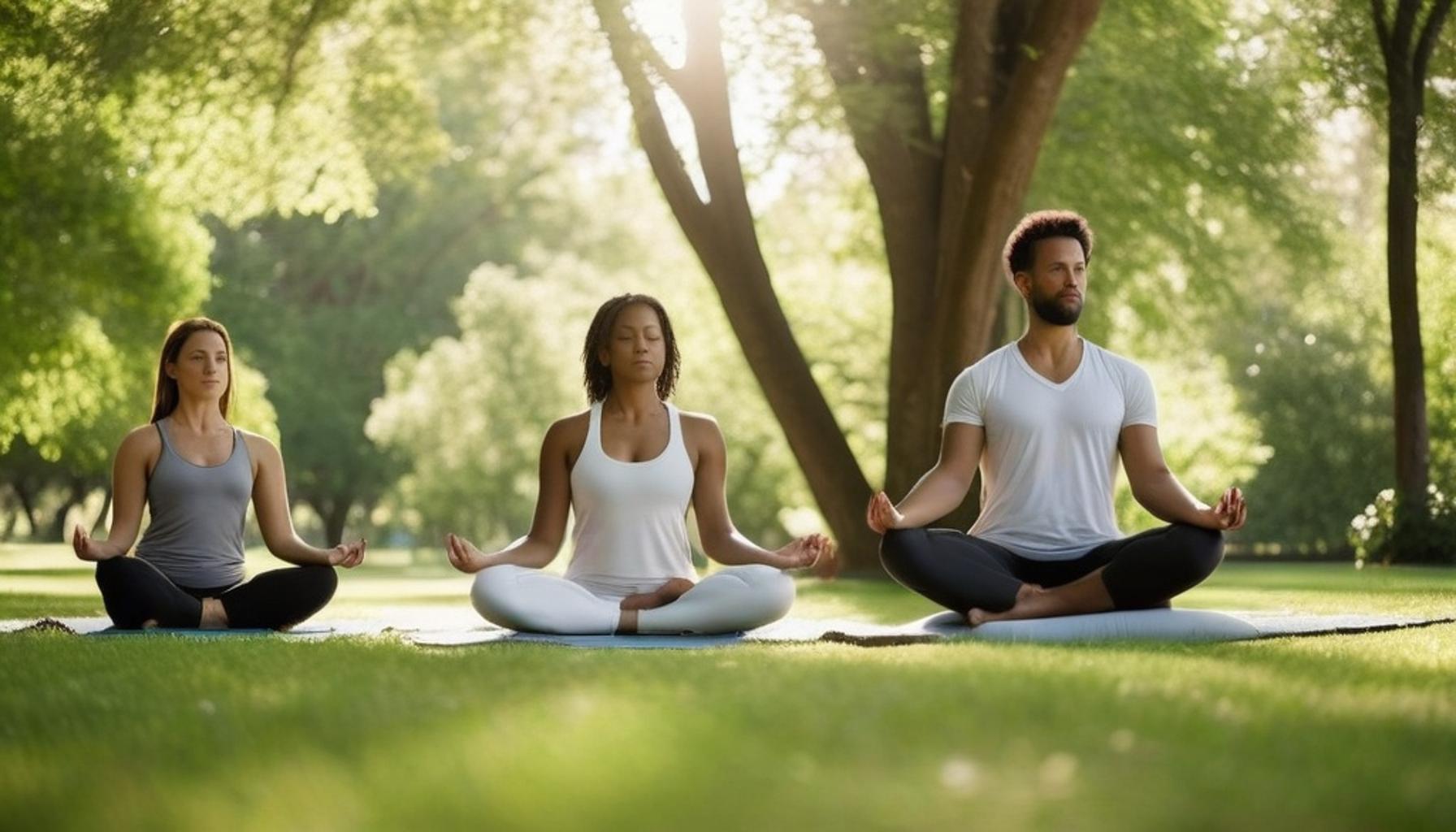
Why Millions of Americans Are Turning to Stillness
Stress levels in the United States remain stubbornly high, with the American Psychological Association reporting that over 70% of adults experience anxiety-related symptoms weekly. Amid packed schedules and constant digital noise, more people are searching for a reliable way to reset their minds. From gridlocked commutes in Los Angeles to overflowing inboxes in Chicago, the pressure feels relentless. That search often leads to one ancient, science-backed practice that has quietly reshaped how Americans think about mental wellness.
Daily meditation for mental health has quietly become one of the most talked-about wellness trends from Los Angeles wellness studios to New York corporate offices. Tech companies in Silicon Valley now offer on-site meditation rooms, while hospitals in Boston incorporate mindfulness programs into patient care. It’s not just a passing fad embraced by yoga enthusiasts—it’s showing up in classrooms, prisons, and even professional sports locker rooms across the country.
What Makes This Practice Worth Exploring
Researchers at institutions like Harvard Medical School have linked consistent practice to measurable brain changes, including increased gray matter density in regions associated with memory and emotional regulation. Understanding how meditation improves mental health starts with recognizing its impact on:
- Cortisol levels and stress hormone regulation
- Emotional resilience during high-pressure situations
- Sleep quality and nighttime anxiety
- Focus and cognitive clarity throughout the day
The benefits of meditation extend far beyond momentary calm. Studies suggest regular practitioners show reduced symptoms of depression and generalized anxiety disorder within just eight weeks, a timeline comparable to some pharmaceutical interventions but without the side effects. Veterans’ hospitals and university counseling centers nationwide have taken note, integrating mindfulness-based stress reduction programs into standard treatment plans.
A Practice Anyone Can Start Today
You don’t need a mountaintop retreat or hours of free time carved out of an already busy day. Simple meditation techniques for beginners—like five-minute breathing exercises during a lunch break or guided sessions through popular smartphone apps—can deliver noticeable results within weeks, not months.
This introduction sets the stage for practical daily meditation tips and proven meditation for stress relief strategies explored throughout this article, offering readers a roadmap toward calmer, more focused daily living.
LEARN MORE: The importance of the practice of gratitude for mental well-being in daily life
# The Science Behind the Stillness: What Happens in Your BrainWalk into any Whole Foods parking lot in Austin or catch a subway ride in New York City, and you’ll likely spot someone with earbuds in, eyes closed, breathing deliberately between stops. This isn’t accidental downtime—it’s a deliberate strategy, and the neuroscience behind it is compelling.
Rewiring the Nervous System, One Session at a Time
When researchers at UCLA’s Mindful Awareness Research Center studied long-term meditators, they found something remarkable: measurable shrinkage in the amygdala, the brain’s fear-processing center. Smaller amygdala activity translates to fewer knee-jerk stress reactions when life throws curveballs—missed flights, tense family dinners, looming work deadlines.This is precisely why understanding how meditation improves mental health requires looking beyond relaxation alone. The practice physically alters neural pathways, strengthening the prefrontal cortex responsible for decision-making while quieting the default mode network tied to rumination and anxious spiraling.
Consider the numbers: a 2023 Johns Hopkins meta-analysis reviewing over 3,500 participants found meditation programs produced effect sizes comparable to antidepressant medication for treating mild-to-moderate anxiety. That’s not a minor footnote—it’s a paradigm shift for how clinicians approach treatment.
Brain imaging studies add another layer to this story. Functional MRI scans conducted at Harvard Medical School revealed that participants who completed an eight-week mindfulness course showed increased gray matter density in regions associated with learning, memory, and emotional regulation. Perhaps more striking, these structural changes appeared after just eight weeks of practice, roughly twenty-seven minutes daily—suggesting the brain’s plasticity responds faster to contemplative practice than many scientists initially assumed.
Real-World Applications Beyond the Cushion
Corporate America has taken notice. General Mills, headquartered in Minneapolis, reported that employees completing a seven-week mindfulness program experienced a 20% increase in focus and decision-making clarity. Meanwhile, San Francisco-based Salesforce built dedicated “mindfulness zones” into its towering headquarters, recognizing that meditation for stress relief directly impacts productivity and retention.The applications extend into unexpected spaces:
- Public school systems in Baltimore using mindfulness curricula to reduce classroom disciplinary incidents
- NFL teams, including the Seattle Seahawks, incorporating meditation into pre-game mental preparation
- Substance abuse recovery centers pairing traditional therapy with daily mindfulness practice
- Corporate wellness programs at Fortune 500 companies offering subscription access to meditation apps
What ties these examples together is consistency. The benefits of meditation aren’t reserved for monks or wellness influencers—they’re accessible to a stressed-out nurse in Phoenix, a college student cramming in Boston, or a retail manager navigating holiday chaos in Atlanta.
Veterans Affairs hospitals across the country have begun integrating mindfulness-based stress reduction programs for service members managing post-traumatic stress, with early results showing meaningful reductions in hypervigilance symptoms. Even professional sports psychologists now treat mental stillness training with the same seriousness once reserved exclusively for physical conditioning drills.
Skeptics often ask whether ten minutes a day can genuinely move the needle on something as complex as mental health. Emerging data suggests it can, provided the practice becomes routine rather than occasional. That distinction—between sporadic effort and genuine consistency—shapes everything explored next.
Key Aspects of Daily Meditation for Mental Health
Understanding how meditation improves mental health starts with recognizing its measurable effects on the brain and body. Research links consistent practice to lower cortisol levels, improved emotional resilience, and sharper cognitive function. Below is a quick breakdown of the core aspects that make daily meditation for mental health such a powerful, science-backed habit.
| Aspect of Meditation | Mental Health Benefit |
|---|---|
| Mindful Breathing | Reduces cortisol, promotes meditation for stress relief |
| Body Scan Technique | Eases physical tension linked to anxiety |
| Loving-Kindness Practice | Boosts emotional regulation and empathy |
| Consistent Daily Sessions | Strengthens focus, one of the key benefits of meditation |
| Beginner-Friendly Guided Sessions | Meditation techniques for beginners that build lasting habits |
These daily meditation tips illustrate why even short, structured sessions can produce noticeable shifts in mood, focus, and stress levels over time.
DISCOVER MORE: Click here to learn about the practice of gratitude
# Building the Habit: Why Consistency Beats IntensityAsk any behavioral psychologist about habit formation, and they’ll point to a frustrating truth: most people quit meditation within the first three weeks. Not because it doesn’t work, but because they approach it like a sprint rather than a lifelong walk.
The Two-Minute Rule That Changes Everything
James Clear, author of Atomic Habits, popularized a concept that meditation teachers have quietly endorsed for years—start absurdly small. Rather than committing to thirty minutes daily, which feels daunting after a twelve-hour shift at a Chicago hospital or a chaotic morning school drop-off in Denver, beginners find more success starting with two minutes.This approach aligns with what researchers call “habit stacking.” Attaching a new behavior to an existing routine, like meditating immediately after brewing morning coffee, dramatically increases adherence rates. A Stanford Behavior Design Lab study found that habits linked to existing triggers were 3 times more likely to stick after ninety days compared to habits attempted in isolation.
For anyone exploring meditation techniques for beginners, this matters enormously. The goal isn’t perfection on day one—it’s showing up again on day two.
Practical Daily Meditation Tips That Actually Work
Simplicity tends to outperform complexity when building sustainable practice. Consider these approaches gaining traction across wellness communities nationwide:
- Anchor meditation to an existing habit, such as brushing teeth or waiting for the microwave
- Use guided apps like Calm or Insight Timer during the first ninety days before attempting silent practice
- Meditate at the same time daily, since circadian rhythm research suggests morning sessions improve emotional regulation for the remaining sixteen waking hours
- Track streaks visually, similar to fitness apps, since visible progress reinforces motivation
A telling example comes from Detroit’s automotive sector, where Ford Motor Company introduced brief mindfulness breaks on assembly lines. Workers reported not just reduced stress, but measurably fewer errors during quality control checks, an unexpected productivity dividend nobody initially anticipated.
What Happens When Life Interrupts Practice
Missing a day doesn’t erase progress, despite what perfectionist thinking suggests. Dr. Judson Brewer, a psychiatrist at Brown University studying habit loops, notes that self-compassion after lapses predicts long-term success far better than rigid all-or-nothing thinking.
This matters particularly for daily meditation for mental health outcomes, since guilt and shame around “failing” to meditate can undermine the very calm the practice intends to cultivate.
Travel nurses, gig economy drivers in Los Angeles, and single parents juggling irregular schedules often cite unpredictability as their biggest obstacle. Yet data from the Meditation Research Institute suggests even inconsistent practice, three or four times weekly, produces measurable anxiety reduction compared to no practice whatsoever.
DIVE DEEPER: Click here to discover the art of mindful eating
# The Ripple Effect: Why This Practice Outlasts TrendsFrom the assembly lines of Detroit to the quiet mornings of Denver parents, one truth emerges clearly: daily meditation for mental health isn’t a fleeting wellness fad. It’s a practice backed by measurable outcomes, adaptable to virtually any lifestyle, and forgiving of imperfect execution.
Throughout this discussion, the evidence points to a consistent pattern. The benefits of meditation compound over time, not through dramatic overnight transformation, but through small, repeated moments of stillness that reshape how the brain responds to stress.
What This Means Moving Forward
Consider the numbers once more. Habits linked to existing routines succeed three times more often. Even sporadic practice, three or four sessions weekly, produces measurable anxiety reduction. These aren’t abstract statistics; they’re permission to start imperfectly.
Anyone still hesitant about meditation for stress relief should remember that Ford’s assembly workers didn’t become monks. They simply paused for two minutes and returned to work slightly steadier.
Understanding how meditation improves mental health ultimately requires less theory and more experimentation. What works for a Chicago nurse on rotating shifts may differ entirely from what works for a Los Angeles rideshare driver.
A Final Thought
Perhaps the most overlooked insight is this: consistency matters more than duration, and self-compassion matters more than streaks. The daily meditation tips explored here, habit stacking, guided apps, morning anchoring, work because they lower the barrier to entry.
For those still exploring meditation techniques for beginners, the invitation remains simple. Start with two minutes tomorrow morning. Skip a day without guilt if life intervenes. Return the next day regardless.
The science suggests that’s more than enough to begin noticing change.
Frequently Asked Questions
How long should I meditate each day to see mental health benefits?
Research suggests that just 10 to 15 minutes of daily meditation can reduce symptoms of anxiety and stress over time. Beginners often start with 5-minute sessions and gradually increase duration as consistency improves. The key is regularity rather than length, so a short daily practice is more effective than an occasional long one.
Can daily meditation help with anxiety and depression symptoms?
Yes, studies show that daily meditation, particularly mindfulness-based practices, can lower cortisol levels and reduce ruminating thoughts linked to anxiety and depression. It won’t replace professional treatment for clinical conditions, but it can be a valuable complementary tool. Many therapists now recommend it alongside cognitive behavioral therapy for better outcomes.
What is the best time of day to meditate for mental health benefits?
Morning meditation, right after waking up, is often recommended because it sets a calm tone for the day and reduces reactive stress. However, evening meditation can help process the day’s emotions and improve sleep quality. Ultimately, the best time is whichever slot you can commit to consistently every day.
Do I need special training to start daily meditation for mental health?
No formal training is required to begin; free apps like Headspace or Calm and guided YouTube videos can teach you basic breathing and mindfulness techniques. Simply sitting quietly and focusing on your breath for a few minutes daily is enough to start experiencing benefits. As you progress, you may choose to explore more structured practices like Vipassana or transcendental meditation.

Linda Carter
Linda Carter is a writer specializing in healthy habits and balanced living. With extensive experience helping readers build sustainable routines, she shares practical guidance on nutrition, physical activity, quality sleep, stress management, and emotional well-being. Her goal is to offer simple, accessible strategies that inspire people to care for their health and enjoy a more balanced life.