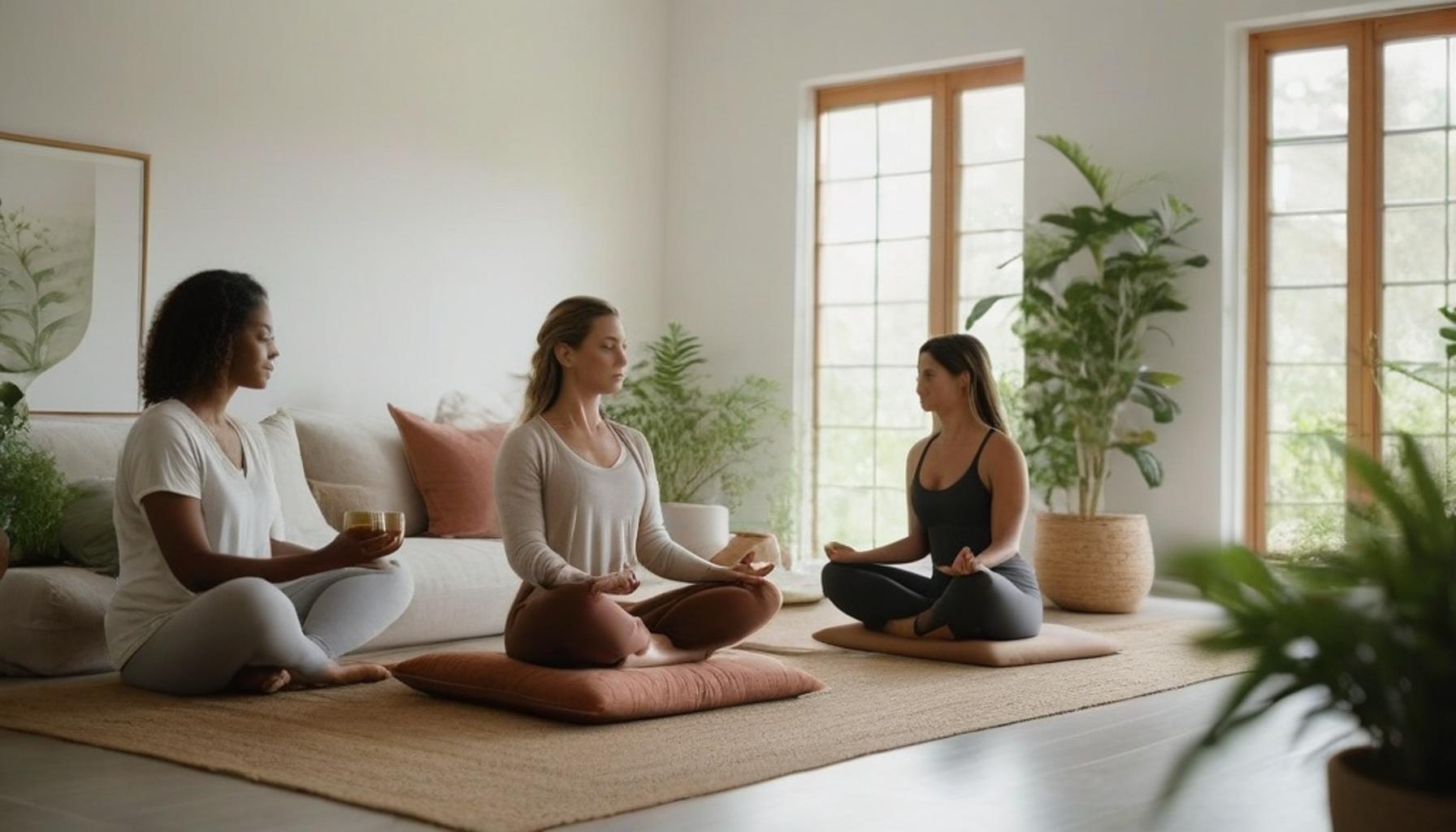
The Importance of Meditation in Mental Health: Creating a Space of Calm in Busy Routines
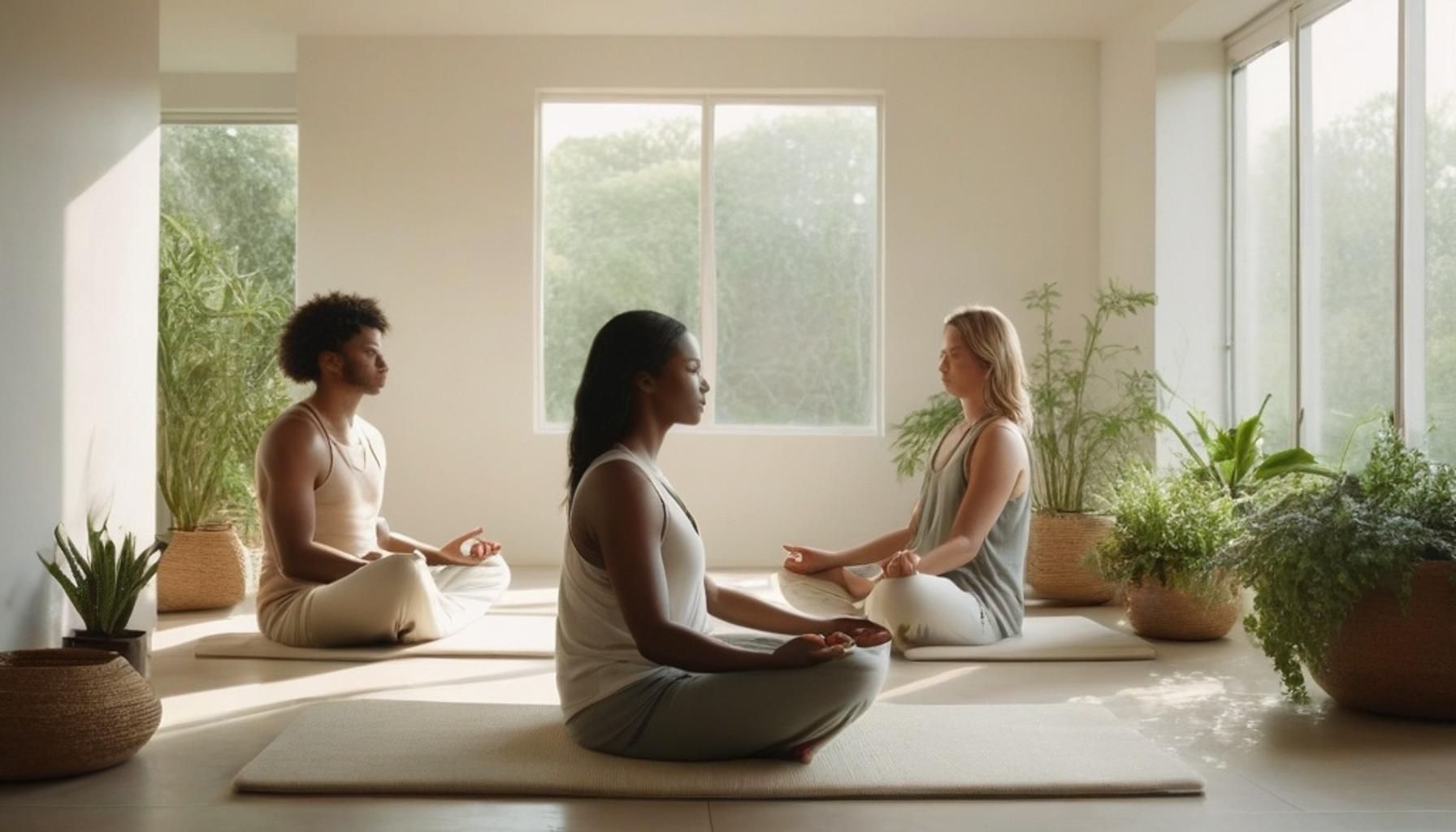
Finding Stillness in a World That Never Stops
Americans are more stressed than ever, and the numbers prove it. According to the American Psychological Association, 77% of adults report experiencing stress that affects their physical health, while nearly one in five live with an anxiety disorder. In this climate, the importance of meditation in mental health has become impossible to ignore.
From New York City commuters to Silicon Valley executives, people are searching for practical ways to slow down. Meditation, once seen as a niche practice, is now backed by neuroscience and embraced by hospitals, schools, and corporations alike. Major institutions like the Mayo Clinic and Google’s own “Search Inside Yourself” program have integrated mindfulness training into their core offerings, signaling a cultural shift from skepticism to widespread acceptance.
Why This Ancient Practice Matters Now
Modern life rarely leaves room for silence. Notifications, deadlines, and constant connectivity keep the nervous system on high alert, making mindfulness meditation for stress relief more relevant than ever. The average American checks their phone dozens of times a day, and this constant digital noise triggers a persistent fight-or-flight response that many people don’t even realize they’re experiencing.
Research consistently highlights the benefits of meditation for mental health, including:
- Reduced symptoms of anxiety and depression
- Lower cortisol levels and improved stress response
- Better focus, memory, and emotional regulation
- Improved sleep quality and overall well-being
- Enhanced immune function and cardiovascular health
Understanding how meditation helps anxiety reveals why it’s gaining traction among therapists and wellness experts nationwide. Studies using MRI technology have shown that consistent practice can actually shrink the amygdala, the brain’s fear center, while strengthening the prefrontal cortex responsible for decision-making and self-control. It doesn’t eliminate stress entirely, but it changes how the brain processes it, creating space between a stressful trigger and an automatic reaction.
A Realistic Approach for Busy Lives
The good news is that creating a meditation routine doesn’t require hours of free time or a silent retreat in the mountains. Even five to ten minutes a day, whether during a lunch break in Chicago or before bed in Los Angeles, can produce measurable changes in mood and clarity. Apps like Headspace and Calm have made this accessible to millions, offering guided sessions that fit into the smallest pockets of a hectic schedule.
This article explores practical meditation techniques for busy lives, backed by science and designed for real schedules. Whether you’re a parent juggling school pickups, a student cramming for finals, or a professional navigating back-to-back meetings, calm may be closer than you think.
YOU MAY ALSO LIKE: Self-Care Strategies: Creating Space for Mental Health in a Hectic World
# The Science Behind the Silence
What Happens Inside the Brain When You Meditate
Skeptics often ask a fair question: is meditation really doing anything, or is it just a trend dressed up in scientific language? The answer, according to decades of research, is unambiguous. The importance of meditation in mental health isn’t a matter of opinion anymore, it’s measurable in brain scans, blood tests, and clinical trials conducted at institutions like Harvard Medical School and UCLA’s Mindful Awareness Research Center.
One landmark study from Massachusetts General Hospital found that participants who practiced mindfulness for just eight weeks showed increased gray matter density in regions associated with memory and emotional regulation. Meanwhile, gray matter in the amygdala, the brain’s alarm system, actually decreased. This isn’t abstract theory; it’s physical, structural change resulting from a practice that costs nothing and requires no equipment.
How Meditation Helps Anxiety on a Practical Level
Anxiety often feels like a runaway train, thoughts spiraling faster than logic can catch up. Understanding how meditation helps anxiety starts with recognizing what happens biologically during a stress response. The body releases cortisol and adrenaline, preparing for a threat that, in most modern cases, isn’t a physical danger at all. It’s an email, a traffic jam on the 405, or a looming deadline.
Meditation interrupts this cycle by activating the parasympathetic nervous system, the body’s natural brake pedal. Regular practitioners report several tangible shifts:
- A noticeable delay between feeling triggered and reacting impulsively
- Reduced racing thoughts during high-pressure moments
- Greater ability to identify anxiety before it escalates
- Improved breathing patterns that naturally calm the heart rate
- A stronger sense of control during unpredictable situations
This is precisely why mindfulness meditation for stress relief has become a standard recommendation among licensed therapists, not just wellness influencers. Cognitive Behavioral Therapy programs across the country now frequently incorporate mindfulness components, recognizing that awareness itself can be therapeutic.
Beyond Relaxation: A Measurable Health Investment
It’s tempting to file meditation under “self-care,” alongside bubble baths and scented candles. But the benefits of meditation for mental health extend into territory that looks more like preventive medicine. A 2021 study published in JAMA Psychiatry found that mindfulness-based stress reduction was as effective as escitalopram, a common anxiety medication, for many participants.
That doesn’t mean meditation replaces medical treatment. It means the conversation has shifted from “does this work?” to “how does this fit into a broader mental health strategy?” For millions of Americans searching for accessible, low-cost tools, that shift matters enormously.
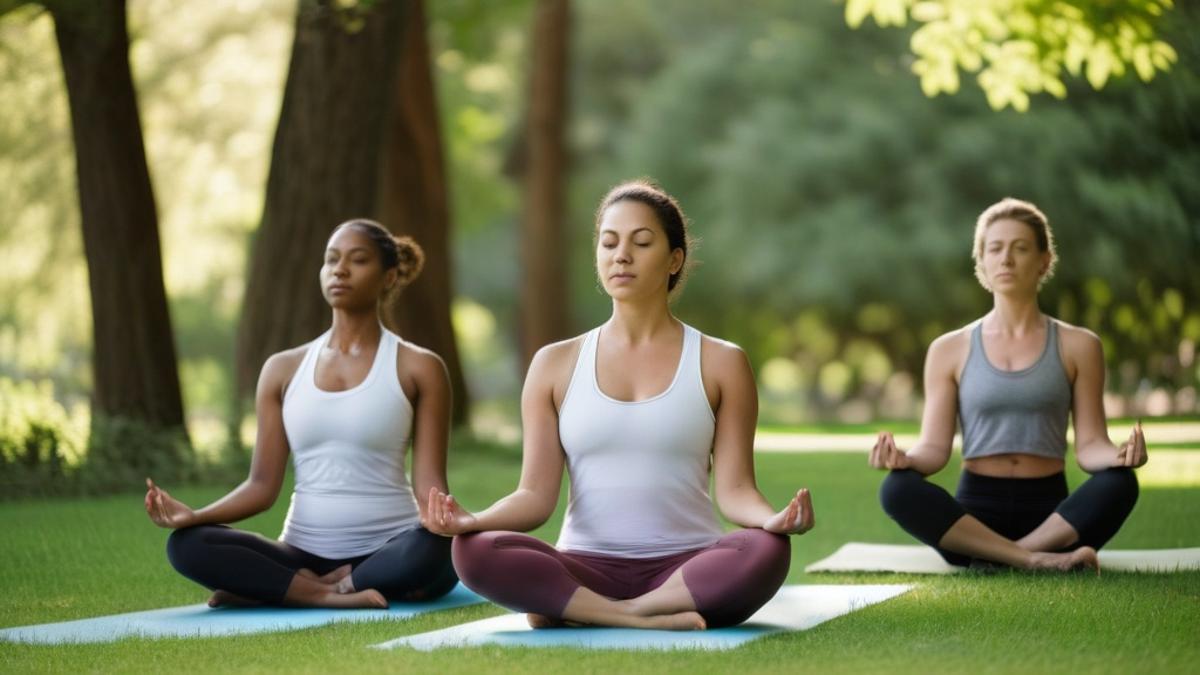
Key Aspects of Meditation and Their Impact on Mental Health
Understanding the importance of meditation in mental health becomes clearer when we break down its core components. The table below highlights how specific practices address different challenges faced during hectic daily routines.
| Meditation Aspect | Mental Health Benefit |
|---|---|
| Mindfulness Meditation for Stress Relief | Lowers cortisol levels and promotes emotional regulation during high-pressure days |
| How Meditation Helps Anxiety | Reduces racing thoughts by activating the parasympathetic nervous system |
| Creating a Meditation Routine | Builds consistency, improving long-term resilience against burnout |
| Meditation Techniques for Busy Lives | Short breathing exercises fit into tight schedules without disrupting productivity |
| Cognitive Focus and Clarity | Enhances concentration and decision-making under daily stress |
LEARN MORE: Social Connections and Their Impact on Mental Health: Cultivating Positive Relationships
# Bringing Practice Into the Real World
Creating a Meditation Routine That Survives Real Life
Knowing the science is one thing. Actually sitting down to practice, between school drop-offs, Slack notifications, and a commute that eats up two hours a day, is another challenge entirely. Creating a meditation routine doesn’t require a silent retreat in the mountains of Colorado. It requires consistency, and consistency thrives on realistic expectations.
Most people quit meditation not because it doesn’t work, but because they imagined it wrong. They pictured a cross-legged monk achieving instant enlightenment, and when their mind wandered after eleven seconds, they assumed failure. In reality, noticing the wandering is the practice. That moment of catching a stray thought is the mental equivalent of a bicep curl.
Meditation Techniques for Busy Lives
Not every technique demands a cushion and thirty uninterrupted minutes. Several meditation techniques for busy lives have gained traction precisely because they fit into cracks of an overloaded schedule:
- Box breathing during a red light or elevator ride, four counts in, four counts held, four counts out
- Body scans while waiting in line at a coffee shop in downtown Chicago or Austin
- Five-minute guided sessions using apps like Calm or Headspace before checking morning email
- Walking meditation during a lunch break instead of scrolling through a phone
- Single-task eating, putting away devices for one meal to practice sustained attention
These micro-practices matter because research from Carnegie Mellon University suggests that even brief mindfulness sessions, as short as ten minutes daily, can reduce perceived stress levels within weeks. Duration matters less than most people assume; frequency matters more.
Workplaces Are Paying Attention
Corporate America has noticed the data too. Companies including Google, Aetna, and General Mills have implemented internal mindfulness programs, not out of altruism alone, but because burnout carries a price tag. The American Institute of Stress estimates workplace stress costs U.S. businesses upwards of $300 billion annually in absenteeism and lost productivity.
Aetna’s internal study found employees who participated in mindfulness programs gained an average of 62 minutes of productivity per week, valued at approximately $3,000 per employee annually. That’s a compelling argument for HR departments, but it also reframes meditation as something beyond a personal wellness trend.
The broader importance of meditation in mental health becomes clear when institutions with financial incentives, not just wellness bloggers, start investing serious money into teaching employees how to sit quietly and breathe. When bottom-line thinking aligns with mental health advocacy, it signals that the practice has moved well past niche status into mainstream necessity.
Finding Stillness in a Culture Built for Speed
The evidence keeps stacking up, from Carnegie Mellon’s stress research to Aetna’s productivity numbers, and it points to one conclusion: the importance of meditation in mental health isn’t a wellness fad dressed up in yoga pants. It’s a measurable, replicable intervention that neuroscientists, employers, and therapists now take seriously.
What makes this shift interesting is the timing. Americans are more connected than ever, yet loneliness and anxiety diagnoses continue climbing. The Anxiety and Depression Association of America reports that anxiety disorders affect over 40 million adults nationwide. Against that backdrop, a practice requiring no equipment, no subscription, and no prescription starts to look less like a lifestyle trend and more like public health infrastructure.
The benefits of meditation for mental health extend beyond calming an anxious mind during a stressful commute. Regular practice appears to reshape how people relate to their own thoughts, building tolerance for discomfort rather than eliminating it entirely. That distinction matters, because life will keep throwing traffic jams, layoffs, and difficult family dinners at everyone regardless of how many apps get downloaded.
Understanding how meditation helps anxiety also reframes the goal. This isn’t about achieving permanent zen. It’s about creating small, repeatable pauses that interrupt the momentum of stress before it snowballs into something harder to manage.
Perhaps the real takeaway is this: mindfulness meditation for stress relief works precisely because it asks so little. Five minutes on a subway platform. One mindful meal. A single breath held for four counts at a red light in Atlanta traffic.
The invitation isn’t to overhaul a life overnight, but to test whether stillness, practiced in small doses, might be the most underrated tool sitting right in front of us.
Frequently Asked Questions
How does meditation actually improve mental health over time?
Regular meditation lowers cortisol levels and reduces activity in the brain’s amygdala, which controls stress and fear responses. Over weeks of practice, this leads to reduced anxiety, better emotional regulation, and improved focus. Studies show consistent meditation can also increase gray matter in areas linked to memory and self-awareness.
How many minutes a day should I meditate to see mental health benefits?
Research suggests that even 10 to 15 minutes daily can produce noticeable improvements in stress and mood within a few weeks. Beginners often start with 5 minutes and gradually increase as focus improves. Consistency matters more than duration, so a short daily practice is better than occasional long sessions.
Can meditation help with anxiety and racing thoughts during a busy workday?
Yes, brief mindfulness breaks of 3 to 5 minutes can interrupt anxious thought loops and activate the parasympathetic nervous system, which calms the body. Techniques like box breathing or body scans are especially effective for quick resets between meetings or tasks. This helps prevent stress from accumulating throughout the day.
What type of meditation is best for someone with a packed daily schedule?
Mindfulness meditation and guided breathing exercises are ideal for busy schedules because they require no special setup and can be done in as little as five minutes. Walking meditation is another good option for people who struggle to sit still. Apps with short guided sessions can also help maintain consistency despite a hectic routine.
Is meditation a substitute for therapy or medication for mental health conditions?
Meditation is a helpful complementary tool but is not a replacement for professional treatment like therapy or medication, especially for diagnosed conditions such as depression or severe anxiety. It works best alongside clinical care, offering additional stress relief and emotional resilience. Anyone with a mental health condition should consult a licensed professional before relying solely on meditation.
What are signs that meditation is positively affecting my mental health?
Common signs include falling asleep more easily, reacting less impulsively to stress, and feeling calmer during previously overwhelming situations. You may also notice improved concentration and a greater sense of emotional balance throughout the day. These changes often become noticeable within two to four weeks of consistent practice.

Linda Carter
Linda Carter is a writer specializing in healthy habits and balanced living. With extensive experience helping readers build sustainable routines, she shares practical guidance on nutrition, physical activity, quality sleep, stress management, and emotional well-being. Her goal is to offer simple, accessible strategies that inspire people to care for their health and enjoy a more balanced life.