
Unlock Mindfulness Psychological Benefits of Minimalist Decluttering
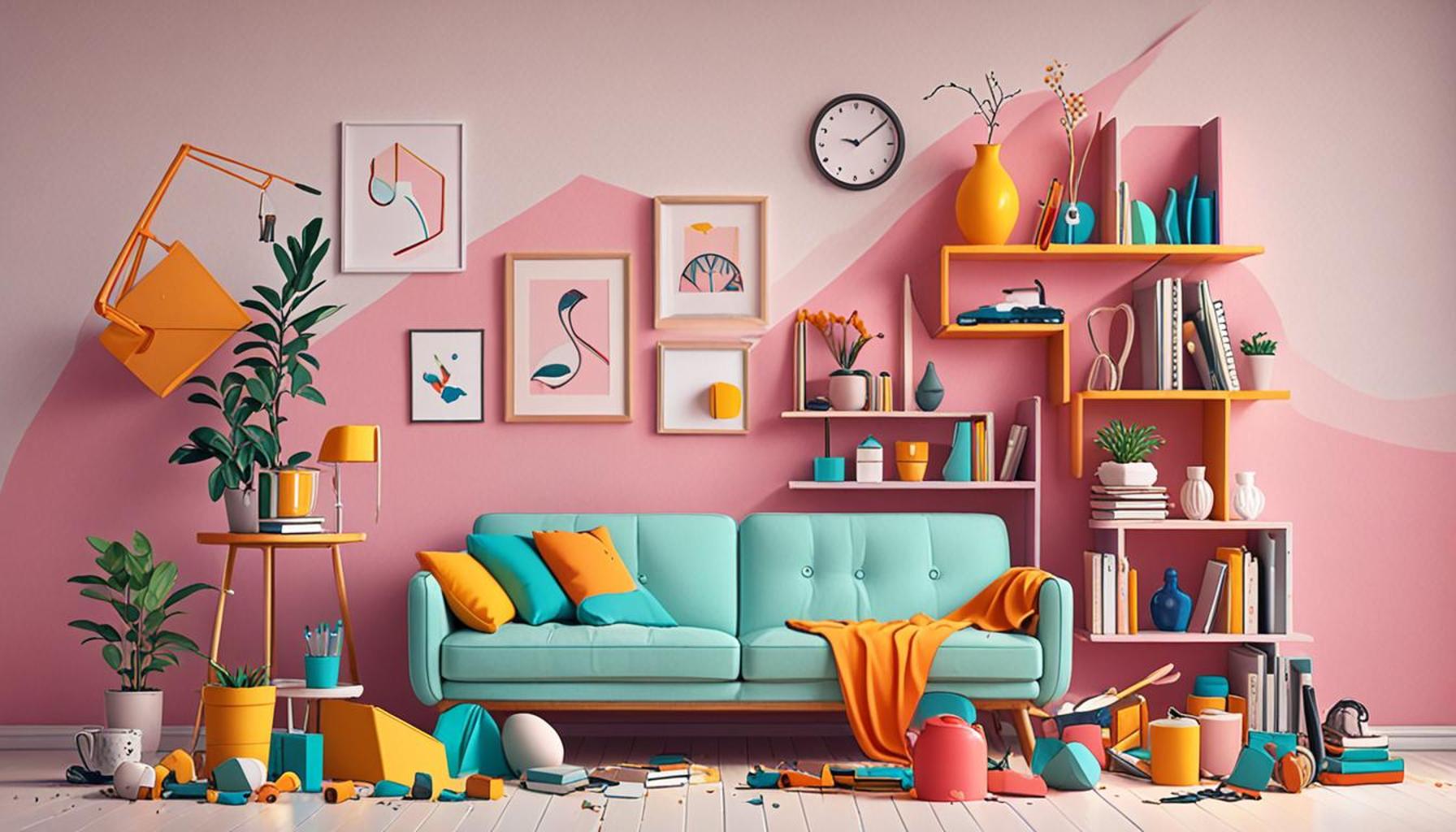
Unlocking Mindfulness Through Minimalist Decluttering
The concept of minimalism extends beyond just simplifying physical spaces; it touches the very essence of our psychological well-being. In today’s fast-paced world, clutter can contribute to feelings of anxiety and overwhelm, making the practice of efficient decluttering even more pertinent. By embracing a minimalist lifestyle, individuals can not only enhance their personal organization but also foster a clearer, more mindful state of mind.
Research indicates that an organized environment can significantly boost mental clarity and focus. This makes the act of decluttering not just a chore, but a pathway to improved mental health. In this article, we will explore the powerful psychological benefits of efficient decluttering and how it aligns with the principles of minimalism.
Get ready to discover the Top 5 psychological benefits you can experience by adopting a minimalist approach to decluttering:
- Reduced stress and anxiety
- Improved focus and concentration
- Enhanced creativity and innovation
- Increased productivity
- Greater sense of fulfillment and contentment
The Psychological Benefits of Efficient Decluttering in a Minimalist Lifestyle
In today’s fast-paced and consumer-driven society, the idea of accumulating more possessions is often equated with success and fulfillment. Yet, this mindset can lead to physical clutter, which, in turn, results in mental clutter. Embracing a minimalist lifestyle through decluttering not only clears out physical spaces but also brings about a host of psychological benefits. This article delves into the top five psychological advantages of efficient decluttering, ranked by their potential to transform an individual’s mental and emotional wellbeing.
5. Enhanced Focus and Productivity
One of the immediate psychological benefits observed from an organized environment is enhanced focus and productivity. In spaces teeming with clutter, the mind struggles to filter out constant distractions. Studies reveal that people working in clutter-free settings exhibit improved concentration by not being drawn to unnecessary objects vying for their attention.

The relationship between a tidy environment and productivity is profound. For instance, a study conducted by the Princeton Neuroscience Institute highlighted that visual reminders of disorganization can sap mental energy. When we declutter, we reduce the cognitive load our brain endures, allowing it to allocate more attention to meaningful tasks. Therefore, decluttering not only clears the physical rubble but also motivates the brain to function more efficiently.
4. Decreased Anxiety Levels
The reduction in anxiety levels ranks fourth in the list of psychological benefits resulting from decluttering. Clutter often signifies chaos, creating a constant reminder of tasks left undone or decisions uncompleted. This environmental mess can translate to mental disarray, heightening feelings of anxiety and stress.
In contrast, organizing and decluttering foster a sense of control and order. The act of sorting through belongings is therapeutic; it allows individuals to confront neglected issues rather than sweeping them out of sight. Hence, decluttering acts as an antidote to anxiety by instilling tranquility and providing a mental haven where one can decompress.
3. Improved Decision-Making Skills
Efficient decluttering greatly enhances an individual’s decision-making skills. This benefit emerges from reducing the phenomenon known as choice overload. As individuals curate their possessions, they regularly exercise making decisions about what is genuinely important to them. This strengthens their ability to decide quickly and wisely in various life scenarios.
Numerous psychological studies have illuminated the debilitating impact of endless choices, often leading to indecision and procrastination. By minimizing possessions, individuals mitigate decision fatigue, enabling them to evaluate situations with clarity and make decisions rooted in value rather than abundance. Consequently, this reinforces strategic thinking both in personal and professional contexts.
2. Increased Self-Esteem
At number two, an organized living space has a remarkable impact on self-esteem. Successfully navigating through the decluttering process fosters a sense of accomplishment and self-efficacy. The visible transformation of a once chaotic area into a harmonious space reflects one’s capability to initiate positive change.
This newfound harmony resonates with personal growth, reassuring individuals that they are capable of managing their environment and, by extension, their lives. Furthermore, the confidence cultivated through decluttering spills over into other facets of life. People who view their external surroundings as extensions of their personal aspirations are likely to engage more assertively with challenges, paving the path for personal development and success.
1. Greater Overall Happiness
The primary psychological advantage of efficient decluttering is the substantial boost in overall happiness. A minimalist lifestyle redefines happiness by steering focus away from material acquisition toward meaningful experiences and relationships.
A decluttered environment contributes significantly to mental clarity and emotional balance. Enhancing happiness involves several elements:
- A simpler, more organized space fosters a consistent feeling of tranquility and control.
- By learning to cherish the essentials, individuals cultivate gratitude and mindfulness.
- This shift in perspective away from materialism encourages a focus on introspection and personal values.
In embracing a minimalist mindset, people often recognize the futility of equating material wealth with happiness, as noted by numerous psychological studies. Instead, they discover that living with intention and clarity promotes a profound sense of fulfillment and contentment.
Ultimately, efficient decluttering serves as the gateway to not just an organized space but a more fulfilling and meaningful life. By shedding excess belongings and mental burdens, individuals unlock the capacity to lead grounded, purpose-driven lives abundant with freedom and joy.
| Category | Description |
|---|---|
| Reduced Anxiety | A minimalist lifestyle promotes a calm environment by minimizing distractions and reducing visual clutter, which has been shown to lower levels of anxiety significantly. |
| Enhanced Focus | By eliminating unnecessary items, individuals can achieve improved concentration. This practice fosters a better ability to focus on tasks without the interference of cluttered surroundings. |
| Improved Decision-Making | With fewer possessions, individuals often report feeling a decreased burden of choice. This streamlined decision-making process can lead to more clarity and confidence in their everyday lives. |
| Greater Sense of Freedom | Living with less can foster a profound sense of freedom. Decluttering allows individuals to detach from material possessions, resulting in an increase in emotional well-being and a shift toward experiences over things. |
The psychological advantages of efficient decluttering extend beyond just aesthetics; they encapsulate an entire shift towards a healthier mental state. Studies have shown that individuals who embrace a minimalist lifestyle often experience those improved emotional states, leading to a more fulfilling life. The liberation from excess can act as a transformative catalyst for personal growth and emotional resilience. Such profound changes spark curiosity, encouraging others to delve deeper into the potential these practices hold.
Frequently Asked Questions about the Psychological Benefits of Efficient Decluttering in a Minimalist Lifestyle
What are the psychological benefits of decluttering?
The psychological impacts of decluttering are profound. Primarily, it leads to a significant reduction in stress and anxiety. When spaces are tidied, it brings about a sense of order and control, providing a calm and serene environment. Moreover, decluttering can enhance focus and productivity; a clean space often equates to a clear mind. Studies suggest that people feel an increased sense of accomplishment and satisfaction after decluttering, contributing to overall emotional well-being.
How does a minimalist lifestyle enhance mental health?
Adopting a minimalist lifestyle often entails owning fewer possessions, which contributes to a reduction in decision fatigue and mental clutter. People practicing minimalism generally experience an increased awareness and appreciation of their surroundings. This heightened mindfulness is linked to enhanced emotional resilience and greater mental clarity. In the broader sense, minimalism fosters personal growth and deeper connections with oneself and others, thus reinforcing positive mental health.
Can decluttering act as a form of therapy?
Yes, several psychologists attest to the therapeutic nature of decluttering. The process can be cathartic, as it involves letting go of items tied to past memories. This act of liberation from physical clutter can translate into emotional release. Decluttering often involves making decisions about personal belongings, which strengthens decision-making skills and builds confidence. As a result, many consider it an effective form of self-therapy.
What strategies can be used for efficient decluttering?
Efficient decluttering revolves around setting clear goals and sticking to a systematic approach. Begin by categorizing items and deciding what to keep, donate, or dispose of. A popular strategy involves decluttering one area at a time, ensuring no space is overlooked. The “one in, one out” rule helps maintain minimalism by ensuring that no new item enters without an existing one leaving. By creating a habit of regular decluttering, individuals can stay organized long-term.
How can minimalism impact social interactions?
While it may seem that minimalism is a solitary pursuit, it can deeply impact social interactions. When less time is spent organizing and maintaining possessions, more time becomes available for engaging with friends and family. This shift can cultivate stronger interpersonal relationships and lead to more meaningful, shared experiences that focus on quality interactions rather than material possessions.
Conclusion: The Psychological Benefits of Efficient Decluttering in a Minimalist Lifestyle
Embracing a minimalist lifestyle through efficient decluttering can yield profound psychological benefits. This exploration has unveiled the pivotal role a streamlined environment plays in alleviating stress, enhancing focus, and fostering a sense of mental clarity. With less material distraction, individuals often experience a significant reduction in anxiety and an increased ability to concentrate, offering a serene antidote to the chaotic demands of modern life.
Given the overwhelming evidence, the impact of decluttering extends beyond mere aesthetics. At its core, minimalism challenges individuals to reconsider their relationships with possessions and prioritize what truly matters. By creating an orderly and serene space, one cultivates a sense of accomplishment and purpose, ultimately leading to a more balanced and fulfilling existence.
Moreover, efficient decluttering promotes emotional well-being by encouraging mindfulness. This mindful approach to personal organization enables a deeper connection to one’s surroundings, enhancing satisfaction and overall life appreciation. In a world saturated with consumerism, the minimalist lifestyle provides a refreshing counter-narrative that celebrates intentionality and purpose over accumulation.
In conclusion, the psychological rewards of decluttering reaffirm the minimalist philosophy: less truly can be more. Whether you are seeking tranquility in your daily life or aiming to boost productivity, the principles of minimalism may offer crucial insights. By acknowledging and acting upon the benefits of decluttering, individuals not only transform their physical spaces but also unlock new realms of mental clarity and peace. It’s an invitation to step into a more mindful future, where each possession has a purpose and every space is a sanctuary for the mind. As we continue to explore these concepts, the journey towards minimalism promises deeper revelations and personal growth.