The Importance of Simple Design in Creating Minimalist Spaces
Embracing Tranquility Through Design Choices
In a world saturated with information and visual stimuli, the appeal of simple design stands as a refreshing counterpoint. Minimalist spaces, characterized by their uncluttered aesthetics, serve as sanctuaries where individuals can unwind and engage deeply with their surroundings. These environments not only promote clarity of thought but also enhance emotional well-being, fostering a nurturing atmosphere where creativity and mindfulness can thrive.
Key Benefits of Simple Design
- Improved Focus: A reduction in visual clutter translates to fewer distractions, allowing individuals to immerse themselves fully in tasks or experiences. Studies have shown that environments with less chaos contribute to increased productivity and creativity, as the mind can devote more energy to the matter at hand.
- Enhanced Aesthetics: The beauty of minimalist design lies in its clean lines and consistent decor themes. Spaces filled with well-chosen, harmonious elements create an inviting atmosphere that appeals to the senses and promotes a sense of peace. For instance, consider how a well-placed piece of art can serve as a focal point in an otherwise spacious and elegantly simple room.
- Increased Functionality: In minimalist design, every item is selected with purpose, which not only minimizes waste but also maximizes the usefulness of each element. This is particularly evident in multi-functional furniture, such as a sleek coffee table that also provides storage space or a sofa that converts into a bed, appealing to urban dwellers in cities like New York or San Francisco where space is at a premium.
Beyond aesthetics and practicality, embracing simple design resonates with a broader commitment to sustainability. By curbing excessive consumerism, individuals contribute to a more environmentally friendly lifestyle. Minimalism encourages thoughtful consumption, prioritizing quality over quantity and often leading to shopping local or opting for timeless, durable pieces that reduce waste over time.
Examples of Minimalist Design
- Open floor plans exemplify how removing barriers between spaces not only enhances light flow but also fosters a sense of community and interaction, crucial for family life or social gatherings.
- Utilizing natural materials like wood, stone, and bamboo imbues interiors with a warm, organic feel that connects occupants with nature. These choices not only add a layer of texture but often provide health benefits, such as improved indoor air quality.
- Neutral color palettes, often featuring soft whites, grays, and earth tones, create an environment conducive to relaxation and contemplation. Such colors can be seen in many contemporary homes in the Midwest, where the light and climate play a role in embracing a serene, spacious feel.
As individuals seek solace amidst the chaos of modern life, the significance of simple design in crafting minimalist spaces becomes increasingly apparent. Delving into this design philosophy may not only lead to a more organized home but also facilitate a heightened focus on personal well-being and lifestyle choices. By prioritizing simplicity, one can discover a path toward a more fulfilling living experience—one filled with clarity, purpose, and intrinsic beauty.
DISCOVER: Click here to enhance your time management skills
Understanding the Foundations of Minimalist Spaces
The concept of simple design extends far beyond merely aesthetic choices; it embodies a philosophy that influences how we interact with our environment. At its core, minimalist design promotes the idea that “less is more,” encouraging individuals to carefully select elements that enhance their living spaces without overcrowding them. This deliberate curation leads to a harmonious balance between functionality and beauty, ultimately shaping a lifestyle that values mindfully crafted surroundings.
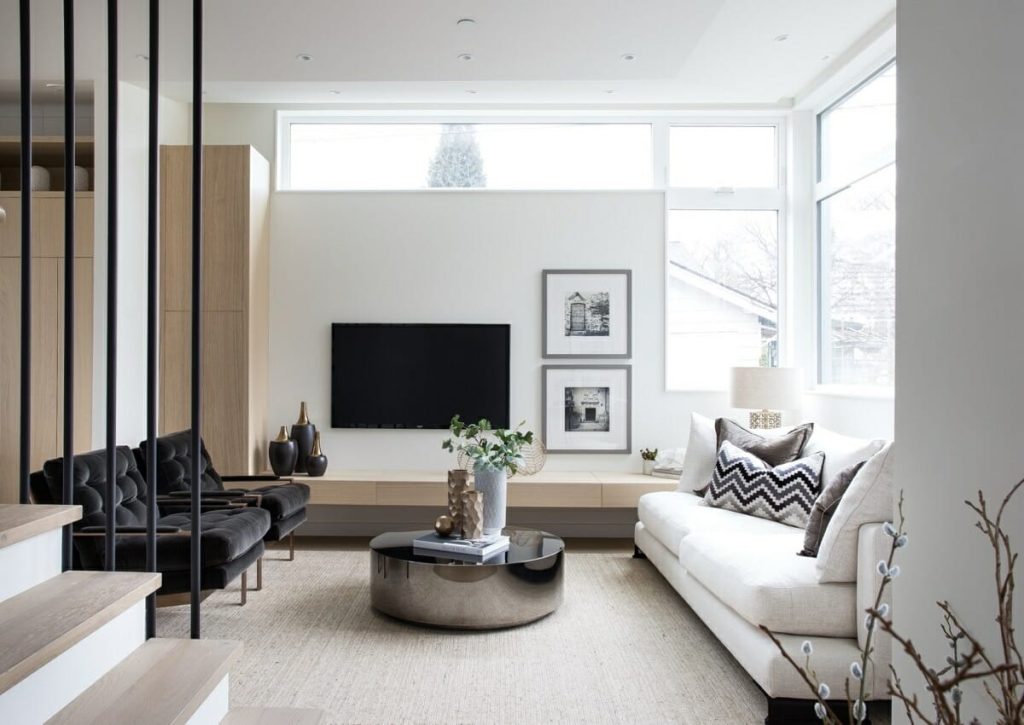
One of the main pillars of minimalist design is the idea of functional beauty. This principle asserts that the forms and functions of objects should work together seamlessly, enhancing the overall atmosphere of a room. Furniture that balances aesthetic appeal with practicality plays a crucial role in creating minimalist spaces. For instance, a stylish yet simple dining table may serve as both a gathering place for family dinners and an extension of one’s personal style, demonstrating how design can enrich daily life.
Principles Behind Simple Design
- Clarity and Purpose: Each piece of furniture in a minimalist space serves a purpose. This avoids overwhelming the senses, allowing for an atmosphere that encourages relaxation and introspection. When an object is chosen for its functionality, it naturally contributes to a sense of order and clarity.
- Natural Light Utilization: Minimalist spaces often emphasize natural light to create a warm and inviting ambiance. Large windows, open layouts, and strategic positioning of mirrors can amplify this effect, making even compact areas feel expansive and airy. Such design choices encourage a connection with nature, promoting both physical and psychological well-being.
- Timeless Design Elements: Incorporating timeless pieces rather than trends cultivates longevity in a minimalist space. Quality materials and classic shapes withstand the test of time, reducing the need for constant replacements and allowing individuals to build a collection of enduring decor that reflects their identity.
The power of simple design lies in its potential to transform not just physical spaces but also mental states. By cultivating environments that embrace simplicity, individuals often report improved changes in their overall mindset. Less visual noise allows the brain to function more efficiently, resulting in a clearer focus and enhanced creativity. This makes minimalist spaces particularly appealing in bustling urban centers like New York City or San Francisco, where residents crave tranquility amidst the constant hustle.
Additionally, the growing awareness of environmental sustainability plays a significant role in the minimalist movement. More individuals are recognizing that embracing simple design means making conscientious choices about their possessions—opting for multifunctional, well-crafted items that minimize waste and promote a sustainable lifestyle. This correlation between minimalism and eco-friendliness not only enhances personal spaces but also contributes to a more sustainable planet.
As the dialogue around simple design evolves, it’s crucial to explore how these principles can be practically applied. Understanding the foundational elements of minimalist spaces serves a dual purpose: it aids in crafting serene environments while also provoking a deeper reflection on personal values and aspirations.
| Design Principle | Impact on Minimalist Spaces |
|---|---|
| Functional Aesthetics | Enhances everyday usability while maintaining visual appeal. Each element serves a purpose, reducing clutter. |
| Color Harmony | Promotes calmness and focus through limited color palettes, fostering a serene environment ideal for relaxation. |
| Spatial Awareness | Maximizes space efficiency, allowing for a sense of openness and freedom, critical in urban living scenarios. |
| Textural Contrast | Adds depth to the environment, subtly enhancing tactile experiences without overwhelming visual simplicity. |
The significance of a minimalist approach in design lies in its ability to strike a balance between functionality and tranquility. Incorporating these design principles not only enhances the aesthetic appeal of spaces but also contributes to a more intentional and fulfilling living experience. A deeper investigation into the principles of minimalism invites readers to witness the transformative potential of simple design in their environments. With the foundation laid by these elements, individuals can explore how simplicity can redefine their spaces, leading to refreshed lifestyles filled with clarity and purpose. By understanding the nuances of minimalist design, one can begin to appreciate how each choice contributes to an overall sense of harmony and well-being. This engaging journey of exploration encourages a lifestyle that values quality over quantity, depths of color, and functional beauty.
DISCOVER MORE: Click here to dive deeper
Integrating Simple Design into Everyday Life
To harness the true potential of simple design, one must think about integration—how to weave it seamlessly into daily life. This not only involves making changes to physical spaces but also adjusting one’s mindset toward consumption and organization. In a world increasingly dominated by fast fashion and disposable products, embracing minimalist principles encourages intentionality in what we keep and how we live.
Another significant aspect of simple design is its role in creating emotional well-being. Numerous studies suggest that clutter can lead to stress and anxiety, impairing our ability to concentrate. By embracing minimalist spaces, individuals can foster environments that promote mental clarity and calmness. For example, in a residential setting, curating a serene bedroom with minimalist décor—chosen with intention—can create a sanctuary free from distraction. Calming colors, clean lines, and strategically chosen furnishings can lead to restful sleep and rejuvenated mornings, proving that simple design has both functional and emotional benefits.
The Role of Color and Texture
Color selection is a vital area where simple design principles shine. Neutral palettes, primarily whites, grays, and beiges, create a blank canvas that can evoke a sense of peace and spaciousness. Yet, to keep these spaces from feeling stark and sterile, adding subtle textures—like a plush throw blanket or a woven rug—can infuse warmth and character without overwhelming visual senses. This deliberate use of color and texture not only actualizes minimalist aesthetics but also lays the groundwork for personal expression within a simple framework.
Adopting a Sustainable Mindset
The minimalism trend is notably tied to a growing consciousness about sustainability. Adopting a simple design approach generally encourages individuals to think beyond aesthetics and consider the lifecycle of products they bring into their homes. Brands like IKEA and West Elm have begun to prioritize sustainable materials and practices in their product lines, catering to eco-conscious consumers who desire both style and responsibility. In the U.S., a significant demographic is gravitating toward reclaimed wood furniture and second-hand vintage finds, demonstrating a shift toward valuing quality over quantity.
Furthermore, identifying as an eco-conscious consumer aligns well with the minimalist philosophy: owning fewer, higher-quality items enriches rather than diminishes one’s quality of life. By investing in less but selecting thoughtfully crafted items, individuals can enjoy spaces that not only look aesthetically pleasing but also reflect personal values concerning sustainability.
Crafting Multifunctional Spaces
Multifunctionality is a key tenet of simple design, particularly for individuals in urban environments where space is frequently at a premium. Furniture that serves dual purposes—such as a sofa bed or an expandable dining table—not only maximizes function but further encapsulates minimalist ideals by minimizing what is necessary to occupy a living space. This practice makes even the smallest apartments feel spacious and dynamic, allowing for flexible living arrangements without overcrowding rooms with excessive furniture.
Ultimately, integrating simple design into our lives calls for a thoughtful approach—one that transcends surface aesthetics to promote an ongoing commitment to functionality, sustainability, and emotional well-being. By embracing these principles, anyone can create sustainable minimalist spaces that resonate with their identity and values, leading to a fulfilling and intentional lifestyle.
DISCOVER MORE: Click here to learn about the psychological benefits of decluttering
Conclusion: Embracing the Power of Simple Design
In a fast-paced world saturated with constant stimuli, the importance of simple design in crafting minimalist spaces cannot be overstated. By prioritizing simplicity, individuals can create environments that not only appear aesthetically pleasing but also enhance overall well-being. The intentional selection of colors, textures, and multifunctional furnishings fosters a sense of tranquility that soothes the mind and promotes clarity.
Moreover, integrating sustainable practices into simple design choices reflects a growing cultural awareness and responsibility toward the environment. As consumers increasingly seek to invest in quality rather than quantity, the minimalist approach aligns beautifully with eco-conscious values—encouraging thoughtful consumption and supporting brands that prioritize sustainability.
Ultimately, minimalist spaces serve as a canvas for personal expression while offering the opportunity to cultivate emotional resilience amid life’s chaos. As the trend continues to gain momentum, it invites us all to reevaluate our possessions and living spaces, leading us towards a more intentional lifestyle. By embracing the principles of simple design, we position ourselves not only to create functional, sustainable environments but also to enrich our lives and the collective experience of those around us. In every choice we make, let us remember that simplicity is not merely an aesthetic but a pathway to deeper fulfillment and harmony.