
The Connection Between Conscious Consumption and Sustainability: Building a Better Future
Understanding the Intersection
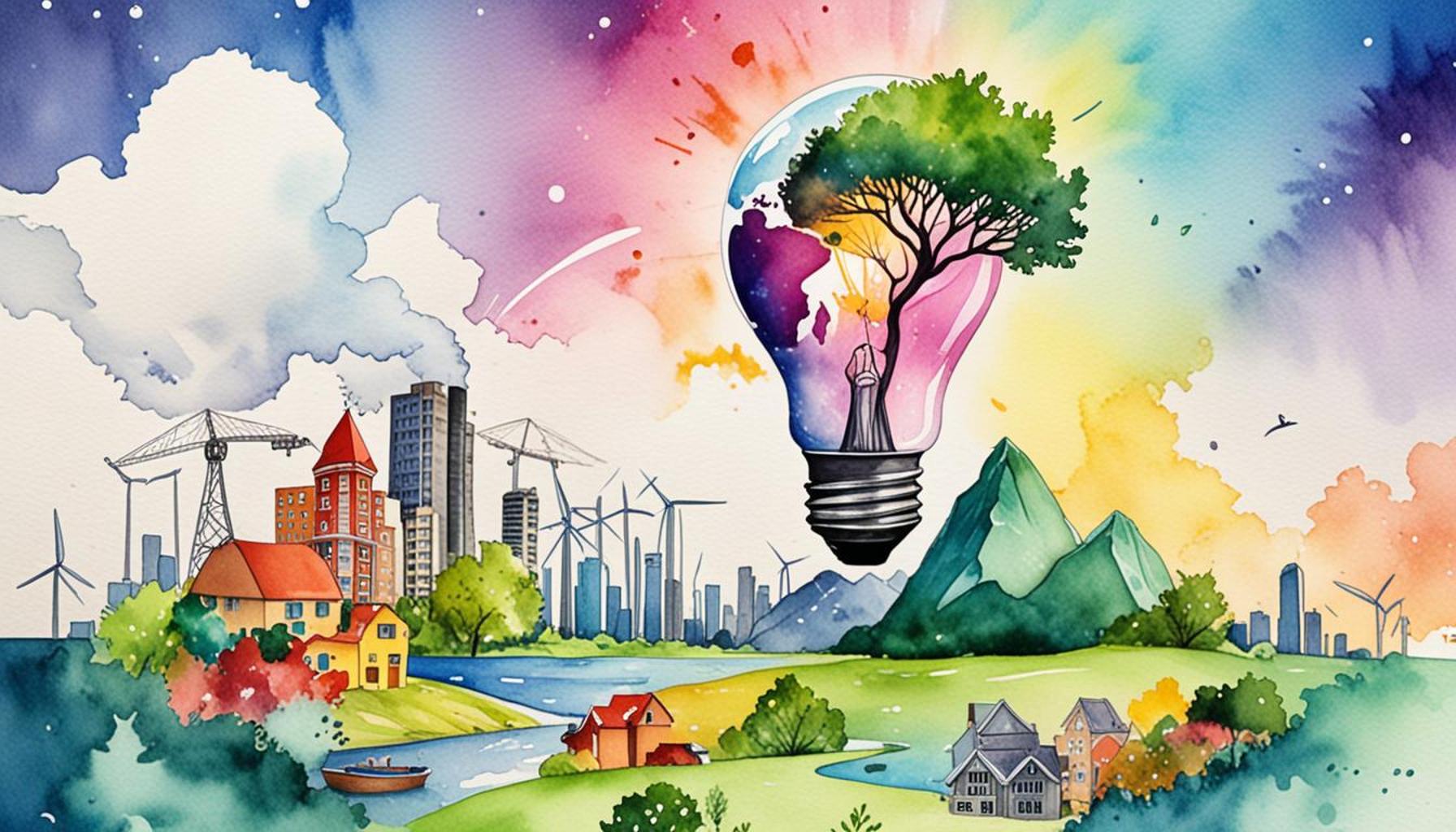
In an era of increasing environmental awareness, the conversation around conscious consumption has never been more crucial. Consumers are becoming more mindful of their choices, realizing that every purchase carries implications for the planet. This shift towards sustainability is not just a trend; it’s a vital movement for our collective future.
Why Conscious Consumption Matters
Conscious consumption refers to the practice of making purchasing decisions that prioritize social and environmental well-being. This approach goes beyond mere ethical shopping; it encapsulates a holistic awareness of the broader impact that our consumer habits have on our world. With this newfound consciousness, individuals can choose products and services that align with their values, thereby fostering a more sustainable economy. This can manifest in several impactful ways:
- Supporting local businesses to reduce carbon footprints. By purchasing from local farmers or artisans, consumers help stimulate regional economies, create jobs, and minimize transportation emissions. For instance, the farm-to-table movement in the U.S. not only promotes nutritional benefits but also reduces the distance food travels, thereby cutting down on greenhouse gas emissions.
- Choosing sustainable products that are ethically sourced. Brands like Patagonia and Seventh Generation prioritize sustainable materials and practices, highlighting the importance of transparency in supply chains. Consumers are urged to research and support companies that demonstrate a commitment to environmental stewardship and fair labor practices.
- Minimizing waste through practices like recycling and reusing. Initiatives such as zero-waste shops and reusable product lines reflect growing public commitment to reducing landfill impact. For example, companies like Loop provide a circular shopping experience where packaging is reusable, further driving down waste.
With rising concerns about climate change, biodiversity loss, and resource depletion, the importance of understanding this connection is increasingly clear. According to the U.S. Environmental Protection Agency, consumer waste is a significant contributor to greenhouse gas emissions. The link between our consumer habits and environmental health is foundational to fostering a sustainable future for generations to come.
The Role of Individuals and Communities
Engaging in conscious consumption goes beyond individual choices. It can lead to substantive changes at both local and national levels, helping to nurture a culture of sustainability. Community efforts can materialize in numerous ways:
- Community initiatives that promote sustainability. Local groups often come together to clean up parks, plant trees, or create community gardens. Initiatives like the “buy local” campaigns have gained traction, encouraging residents to support businesses within their communities, thereby fortifying local economies and promoting environmental health.
- Policy changes that encourage eco-friendly practices. Advocacy for legislation that targets waste reduction, renewable energy incentives, and pollution controls can lead to impactful changes. For example, states like California have enacted laws mandating stricter emissions standards, inspiring other regions to follow suit.
- Informed discussions that raise awareness about environmental issues. Platforms for dialogue—whether through social media, community forums, or educational workshops—can galvanize more people into conscious action. Grassroots movements often ignite widespread interest and compel policymakers to respond to public demand for sustainable measures.
As we delve deeper into this subject, the connections between our purchasing habits and sustainability will reveal pathways to creating a better, more sustainable future for all. Arm yourself with knowledge; understand the power of your choices—the fate of our planet may just depend on it.
DISCOVER MORE: Click here to enhance your personal organization
Understanding the Impact of Our Choices
The relationship between conscious consumption and sustainability is profound, yet often overlooked. As individuals increasingly acknowledge their roles as consumers, the ripple effects of their purchasing habits on the environment become more evident. This recognition is a powerful catalyst for change, prompting a re-evaluation of the way goods are produced, consumed, and disposed of. By making deliberate choices in their consumption patterns, individuals can significantly influence both local and global sustainability initiatives.
Consumer Influence on Sustainability
One of the most striking aspects of conscious consumption is the direct impact consumers can have on sustainability. When individuals choose to support sustainable practices, they don’t just contribute to better environmental outcomes; they also inspire businesses to adapt and evolve. Here are a few key areas where consumer choices can foster sustainable development:
- Demanding Ethical Transparency: In recent years, consumers have started to increasingly favor brands that are transparent about their sourcing, production, and labor practices. Companies that prioritize ethical standards often see increased loyalty and sales, prompting others in their industry to follow suit. For instance, brands like Everlane and Warby Parker have built their identities around ethical production and transparent pricing, demonstrating the market’s appetite for conscious business practices.
- Advocating for Green Products: As awareness about the environmental impact of traditional manufacturing processes grows, so does the demand for eco-friendly alternatives. Products made from recycled materials or those that require less energy in their production have gained traction. The growth of green technologies, like solar panels and electric vehicles, emphasizes how consumer preferences can drive innovations that align with sustainability.
- Reducing Single-Use Plastics: The movement to reduce plastic waste is now at the forefront of consumer consciousness. Initiatives such as banning single-use plastic bags in cities across the United States have been spurred by public demand for sustainability. Organizations like the Plastic Pollution Coalition work tirelessly to educate consumers about the effects of plastic on our ecosystems, showcasing the power of informed choices to change industry practices.
Statistics underline the importance of conscious consumption. According to research from Nielsen, 66% of consumers are willing to pay more for sustainable brands. This consumer sentiment, especially pronounced among millennials and Gen Z, signifies a transformative shift in purchasing behaviors that can push industries toward more environmentally friendly practices.
Collaborative Efforts in Sustainable Consumption
Sustainable consumption is not solely dependent on individual choices; it requires collaborative efforts within communities, businesses, and governments. By fostering partnerships that promote sustainability, the impact of conscious consumption can be magnified. For example, community swap groups and cooperative buying clubs can reduce consumer reliance on mass-produced goods while promoting shared resources. This collaborative spirit not only cultivates a sense of community but also paves the way towards a more resilient and sustainable economic model.
Understanding the intricate connection between consumer habits and sustainability is a groundbreaking step towards building a better future. By harnessing the power of informed choices, individuals not only contribute to essential environmental goals but also embolden others to join this vital movement, creating a ripple effect of positive change.
As we dive deeper into the relationship between conscious consumption and sustainability, it’s essential to recognize the impact our everyday choices have on the planet. With the growing awareness surrounding environmental issues, consumers are increasingly leaning towards products that are not only environmentally friendly but also socially responsible. This shift in consumer behavior emphasizes the need for businesses to adapt and promote sustainable practices.
From eco-friendly materials to fair trade practices, conscious consumers are actively seeking out brands that align with their values. This growing demand is influencing a new wave of companies that prioritize sustainability in their operations. By investing in sustainable products and making informed purchasing decisions, individuals contribute to a larger movement that encourages the preservation of natural resources and supports ethical labor practices.
Moreover, educational initiatives are playing a crucial role in fostering a sustainable mindset among consumers. By providing information on the benefits of conscious consumption, such as reducing carbon footprints and supporting local economies, these programs inspire individuals to make choices that contribute to a healthier planet. In turn, this creates a ripple effect, challenging outdated models of production and consumption.
As we consider the future, it is clear that the connection between conscious consumption and sustainability is not just a trend, but a necessary evolution. This shift is paving the way for innovative solutions that can redefine our relationship with the environment, ultimately leading to a more sustainable and equitable future.
| Category 1 | Category 2 |
|---|---|
| Environmental Benefits | Reduces waste and conserves resources, promoting a healthier ecosystem. |
| Social Responsibility | Supports fair trade practices and ethical labor conditions, fostering community growth. |
By understanding these advantages, consumers can make more informed decisions and feel empowered in their purchasing power. This consciousness is ultimately a step towards a sustainable future where economic, social, and environmental factors coexist harmoniously.
DISCOVER MORE: Click here to learn how to transform your space
The Role of Technology in Conscious Consumption
In today’s digital age, technology serves as both a tool and a platform for promoting conscious consumption. As consumers become more connected than ever before, they have greater access to information about the products they buy—often at their fingertips. This increased awareness can significantly shape consumer habits and further bolster sustainability efforts. By leveraging digital resources, individuals can make informed choices that align with their values regarding the environment and social responsibility.
Access to Sustainable Alternatives
The internet has revolutionized the way that consumers discover and shop for eco-friendly products. Online marketplaces, such as EarthHero and Package Free, provide curated selections of sustainable goods, making it easier to find alternatives to conventional products. These platforms often feature unbiased customer reviews, allowing shoppers to assess the environmental impact of their potential purchases. Furthermore, with the rise of e-commerce, consumers are no longer bound by geographical limitations, which means they can support sustainable brands from across the globe.
Moreover, mobile applications are transforming the consumer landscape by providing real-time information about product sustainability. Apps like Good On You rate clothing brands based on their ethical practices, empowering users to select brands that align with their personal values. This accessibility encourages consumers to be vigilant about their buying habits, promoting a shift towards sustainability that would not have been possible in a pre-digital era.
Social Media Activism
Social media platforms play a crucial role in raising awareness about sustainability issues and connecting like-minded individuals. Campaigns that emphasize conscious consumption frequently go viral and attract large audiences, inspiring everything from lifestyle changes to community-driven initiatives. Hashtags such as #ZeroWaste and #SustainableLiving allow users to share tips, resources, and personal stories that contribute to a collective understanding of sustainable practices.
Influencers also play a pivotal role in shaping consumer behaviors. Followers are often motivated by the lifestyle choices of influencers who advocate for ethical consumption, leading to a new wave of sustainable shoppers. For instance, influencers like Lauren Singer of Trash Is for Tossers have not only popularized zero-waste living but have also created communities centered around conscious consumption.
The Impact of Policy and Legislation
The connection between conscious consumption and sustainability extends beyond individual choices and into the realms of policy and legislation. Governments play a critical role in shaping the market by implementing regulations that promote or discourage certain practices. Policies that support sustainable agriculture, incentivize renewable energy, and protect natural resources can significantly affect consumer options.
In the United States, initiatives such as the Green New Deal reflect a growing recognition of the need for systemic change toward sustainability. This type of legislation can create pathways for consumers to choose sustainable options by investing in infrastructure that supports renewable energy and sustainable practices. Educational campaigns funded by state and federal agencies can help raise awareness for sustainability efforts, further persuading consumers to embrace conscious consumption.
Given the breadth of its influence, conscious consumption serves as a vital mechanism to foster positive change. As technology continues to advance, the resources available to consumers will only expand, leading to increasingly informed choices that align with sustainability. The multifaceted relationship between consumer behavior, technology, and policy illustrates the transformative potential we possess to collectively build a better future.
DISCOVER MORE: Click here to learn how design can boost your productivity
Conclusion
The harmony between conscious consumption and sustainability is essential for crafting a viable path toward a more sustainable future. As consumers, we hold significant power to influence market trends and drive change through our purchasing decisions. By choosing to support environmentally responsible brands and advocating for ethical practices, we not only cultivate a greener planet but also promote social equity across various sectors.
As highlighted, technology acts as a catalyst in this movement, providing us with unprecedented access to information and sustainable alternatives that empower our choices. The rise of online platforms and socially-driven applications enhances our ability to make informed decisions while connecting us with communities committed to similar values. Furthermore, the role of social media amplifies our voices, allowing us to partake in activism and share valuable resources that nurture a collective commitment to sustainability.
However, individual choices must intersect with systemic changes brought about by effective policy and legislation. As initiatives like the Green New Deal illustrate, government action is paramount in creating an environment that supports sustainable consumerism. This collaborative approach—a fusion of personal responsibility, technological support, and supportive policy—can pave the way for a regenerative economy that benefits both people and the planet.
Ultimately, conscious consumption is more than a personal choice; it is a collective responsibility. As we commit to making mindful choices, we lay the groundwork for a future where sustainability thrives. By remaining engaged, informed, and vocal about our values, we can inspire a movement that fosters genuine transformation and builds a better future for generations to come.