
Step-by-Step Guide to Creating an Efficient Decluttering Routine for a More Organized Home

Transform Your Home with an Effective Decluttering Routine
Living in a cluttered environment can affect your mental clarity and overall well-being. The act of decluttering not only brings a sense of peace but also paves the way for a more organized home. This guide will unveil a step-by-step routine tailored for efficiency and lasting results.
Consider these benefits of a well-executed decluttering process:
- Improved Focus: A tidier space enhances concentration, making it easier to work or relax. Studies show that individuals in organized environments report lower stress levels and improved productivity, suggesting that decluttering can indeed lead to a more focused mindset.
- Increased Space: Freeing up clutter allows for better utilization of available areas. With fewer distractions, you can create more functional spaces, such as a cozy reading nook or a productive home office.
- Enhanced Mood: A clean home promotes a positive atmosphere, uplifting your spirits. The satisfaction of seeing a neat environment can trigger the release of dopamine, often referred to as the “feel-good” hormone, ultimately boosting your happiness levels.
In the United States, many are embracing minimalist philosophies to tackle excess belongings. This trend encourages individuals to simplify their lives by focusing on quality over quantity, fostering a deeper appreciation for the items they choose to keep. However, the challenge lies in creating a routine that fits seamlessly into your life. A well-structured decluttering plan can prevent the common pitfall of reverting back to cluttering habits.
To start your decluttering journey, consider the following practical steps:
- Set Clear Goals: Begin by determining what you want to achieve. Whether you’re aiming for a completely minimalist approach or simply looking to create a more manageable space, having a clear vision will guide your process.
- Break It Down: Tackle your home one room—or even one drawer—at a time. This not only makes the task less overwhelming but allows for a sense of accomplishment as you complete each area.
- Sort and Assess: As you go through your belongings, utilize the Four-Box Method: one for keeping, one for donating, one for trash, and one for items to sell. This method encourages clear decisions about what to keep and what to let go.
In the coming sections, we’ll explore strategies that demystify the decluttering process, helping you discard the unnecessary while keeping what truly matters. For instance, we’ll delve into the psychological aspects of why we hold onto items, addressing emotions tied to personal belongings, and provide tips on how to cope with those feelings effectively.
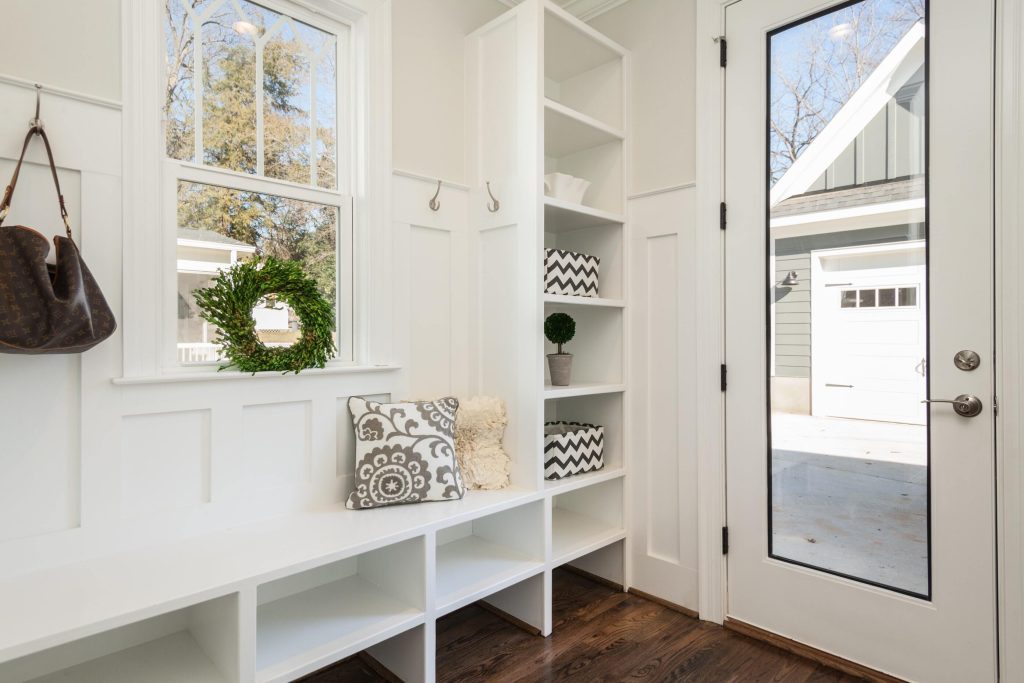
By the end of this guide, you will have developed an effective decluttering routine that is not only sustainable but also tailored to your unique lifestyle. Remember, the goal is not just to declutter but to create a home environment that reflects who you are and supports your day-to-day life.
DIVE DEEPER: Click here to learn more
Crafting Your Personalized Decluttering Strategy
Creating a decluttering routine is more than just tidying up; it’s about systematically sorting through your belongings to create a more harmonious living space. An efficient decluttering strategy not only elevates the aesthetic of your home but also fosters a mindset of simplicity and intentional living. To embark on this transformative journey, you should first cultivate an understanding of what decluttering means to you personally.
While the process may sound straightforward, it often involves a significant emotional and psychological component. The items we accumulate can carry memories, sentiments, and deep-seated attitudes towards consumption. To navigate these attachments, consider the following core principles to guide your approach:
- Identify Your Triggers: Recognizing why clutter accumulates in specific areas of your home is crucial. Is it a result of lifestyle changes, like a new job or a growing family? Understanding these triggers can help you strategize more effectively.
- Establish a Timeline: Set a realistic timeline for your decluttering efforts. It’s important to allow yourself enough time to thoughtfully assess each space without feeling rushed. Consider allocating dedicated hours on weekends or choosing specific days of the week to focus on decluttering.
- Involve Family Members: If you live with others, include them in the decluttering process. Create a shared vision and establish ground rules to ensure everyone is on the same page. This not only fosters teamwork but can also alleviate any feeling of isolation that often accompanies decluttering tasks.
Once you are equipped with a clear mindset and a strategy in place, it’s time to take action. Focus on addressing one category at a time rather than tackling your entire house in one go. The KonMari Method, developed by Marie Kondo, suggests you organize by category rather than location. Start with less emotionally charged items, like clothes, before moving on to more personal belongings such as books and memorabilia.
While sorting, ask yourself critical questions about each item: Does this item bring me joy? or Do I use it regularly? This reflection not only aids in your decision-making process but also encourages a mindful approach to consumption moving forward. Research has revealed that individuals who evaluate their possessions in this manner experience increased downsize satisfaction, reinforcing the benefits of a decluttered lifestyle.
Moreover, after sorting through your items, consider where they’ll go next. From donation centers to local charities or community resource centers, the items you’ve chosen to part with can significantly benefit others. In an age where sustainability is a growing concern, being conscious of how and where to dispose of unwanted items aligns with a responsible decluttering approach.
As you embark on this decluttering journey, remember that progress is more important than perfection. Embrace the moments of nostalgia and challenge yourself to let go of what no longer serves you. In the following sections, we’ll detail the emotional aspect of decluttering and provide techniques to manage these sentiments while keeping you on track. Your journey to an organized home starts now—are you ready to take the first step?
Establishing a Clear Decluttering Plan
Creating a decluttering routine is not just about tossing items into boxes. It requires a strategic approach to ensure you achieve an organized home while minimizing stress. Here are essential steps to help you frame your decluttering plan.
1. Set Achievable Goals
Begin by defining your decluttering goals. For instance, you might want to declutter by room, category, or even a specific timeframe, such as dedicating 15 minutes a day. Setting realistic benchmarks can keep you motivated and better track your progress.
2. Gather Your Supplies
Before you start the process, equip yourself with necessary supplies like boxes, bags, and labels. Designate areas for items to keep, donate, recycle, or throw away to streamline your efforts. Having everything at hand will allow you to focus on decluttering without interruptions.
3. Start Small
If you’re feeling overwhelmed, it’s best to start small. Select a drawer or one area in a room to begin. Tackling small areas can provide a quick sense of accomplishment and prevent burnout. Once you build momentum, you’ll feel more energized to tackle larger projects.
4. Use the “Four-Box Method”
A popular technique is the Four-Box Method, where you label four boxes as “Keep,” “Donate,” “Trash,” and “Storage.” This method simplifies decisions and forces you to evaluate each item carefully. It is also beneficial in maintaining focus and avoiding scattered clutter.
5. Schedule Regular Decluttering Sessions
Incorporate regular decluttering sessions into your routine. Whether monthly or seasonally, setting aside dedicated time ensures that the decluttering process becomes a habit rather than a one-off situation. Over time, this will contribute to a more organized and efficient living space.
Staying Motivated Throughout the Process
Decluttering can sometimes feel daunting, but understanding the psychological benefits can keep you motivated. A clean, organized space fosters a sense of accomplishment and promotes productivity—reminding you why you embarked on this journey in the first place.
With a clear plan, organization supplies, and the right mindset, you can create a sustainable decluttering routine that transforms your home into a serene and orderly sanctuary. Remember, every small step matters in achieving a more organized home!
| Category | Description |
|---|---|
| Emotional Benefits | Decluttering reduces stress and promotes mental clarity. |
| Physical Space | Creates more open space, making it easier to navigate and maintain. |
DISCOVER MORE: Click here to boost your productivity
Developing Sustainable Decluttering Habits
Having established a preliminary strategy for decluttering, the next crucial stage involves developing sustainable habits that will help maintain an organized home long-term. Without these habits, it’s easy for clutter to creep back into your life and undo all your diligent work. By incorporating daily, weekly, and monthly routines that reinforce your decluttering efforts, you can cultivate a tidy environment that aligns with your lifestyle.
Daily Decluttering Practices: Embracing short, daily decluttering sessions can prevent the accumulation of clutter from becoming overwhelming again. Consider setting aside just 10-15 minutes each day to tackle a small area—whether it’s a drawer, a countertop, or your car. These incremental steps can lead to substantial progress over time. One effective technique is the “One In, One Out” rule: for every new item you bring into your home, ensure that you remove at least one. This principle reinforces intentionality in your purchasing choices and helps keep your possessions in check.
Weekly Organization Tasks: Allocate time once a week for more extensive organization efforts, which can be spaced out evenly across your home. Take note of areas where clutter tends to accumulate, and proactively revisit those spaces each week. For instance, you could designate Saturdays to revisit the entryway or home office. Consider creating a checklist of spaces that need attention—this will help you stay accountable and track your progress. Many families find success with a “Clutter Cleanup Day,” where every member of the household pitches in to tidy a specific area of the home.
Monthly and Seasonal Purging: A monthly or seasonal purge is beneficial for larger categories of items that need reevaluation, such as clothing or hobby-related supplies. Set a recurring date on your calendar, like the first Saturday of each month, dedicated to assessing and paring down these items. The change of seasons can serve as a perfect opportunity for this reflection—reflecting on what you haven’t used during a season allows you to make informed decisions about what to keep moving forward. Implementing this ritual during, say, spring cleaning or post-holiday organization can help you stay aligned with the natural rhythm of life.
It’s vital to ask yourself deeper questions as you evaluate items during these purges. For instance, Does this clothing item fit my current lifestyle? or Have I used this kitchen gadget in the last year? By consistently updating your perspective on what you own, you can maintain an intentional lifestyle and avoid mindlessly holding on to items that no longer serve a purpose.
Utilizing Storage Solutions: Purposeful storage solutions are essential in supporting a decluttered environment. Invest in functional organization tools such as clear bins, drawer dividers, or wall-mounted shelves that not only serve their function but also enhance the aesthetic appeal of your space. These tools can make it easier to find items rather than having them lost in a jumble of clutter, enabling you to enjoy a sense of calm and clarity in your home.
To boost your decluttering success, engage with community resources or local workshops that focus on organization and minimalism. By surrounding yourself with like-minded individuals, you can exchange tips, share experiences, and motivate each other to stay committed to your decluttering goals. Emotional support through a community can play a pivotal role in overcoming attachment to possessions.
As you refine these habits, remember that organizing your home is an ongoing journey rather than a one-time project. Acknowledging and embracing this process is essential for a harmonious and organized living space that can effortlessly adapt to changes in your life.
DISCOVER MORE: Click here to learn about how simple design boosts productivity
Conclusion
In conclusion, the journey towards an organized home is an evolving process that requires commitment, mindfulness, and a systematic approach. By following the steps outlined in this Step-by-Step Guide to Creating an Efficient Decluttering Routine for a More Organized Home, you set the foundation for a sustainable lifestyle that not only minimizes clutter but also enhances your overall well-being. It’s essential to embrace the idea that decluttering is not a one-time event but rather an ongoing ritual woven into the fabric of daily life.
Integrating daily habits, such as quick tidy-ups and the “One In, One Out” rule, along with weekly assessments of clutched spaces and monthly purges, creates a proactive environment where clutter struggles to take root. Engaging with storage solutions that enhance functionality while also being aesthetically pleasing can further promote this organized atmosphere. Don’t overlook the importance of community — the support from fellow declutterers offers motivation, knowledge, and encouragement.
As you embark on this transformational journey, don’t shy away from reassessing your possessions and questioning their relevance in your life. Ultimately, the path to a more organized home and a peaceful mind lies not just in physical tidiness but in cultivating an intentional lifestyle that aligns with your values. By adopting these practices and continuously refining them, you’ll foster a serene environment conducive to productivity and happiness. So take a deep breath, declutter your space, and watch as it positively influences every aspect of your life.