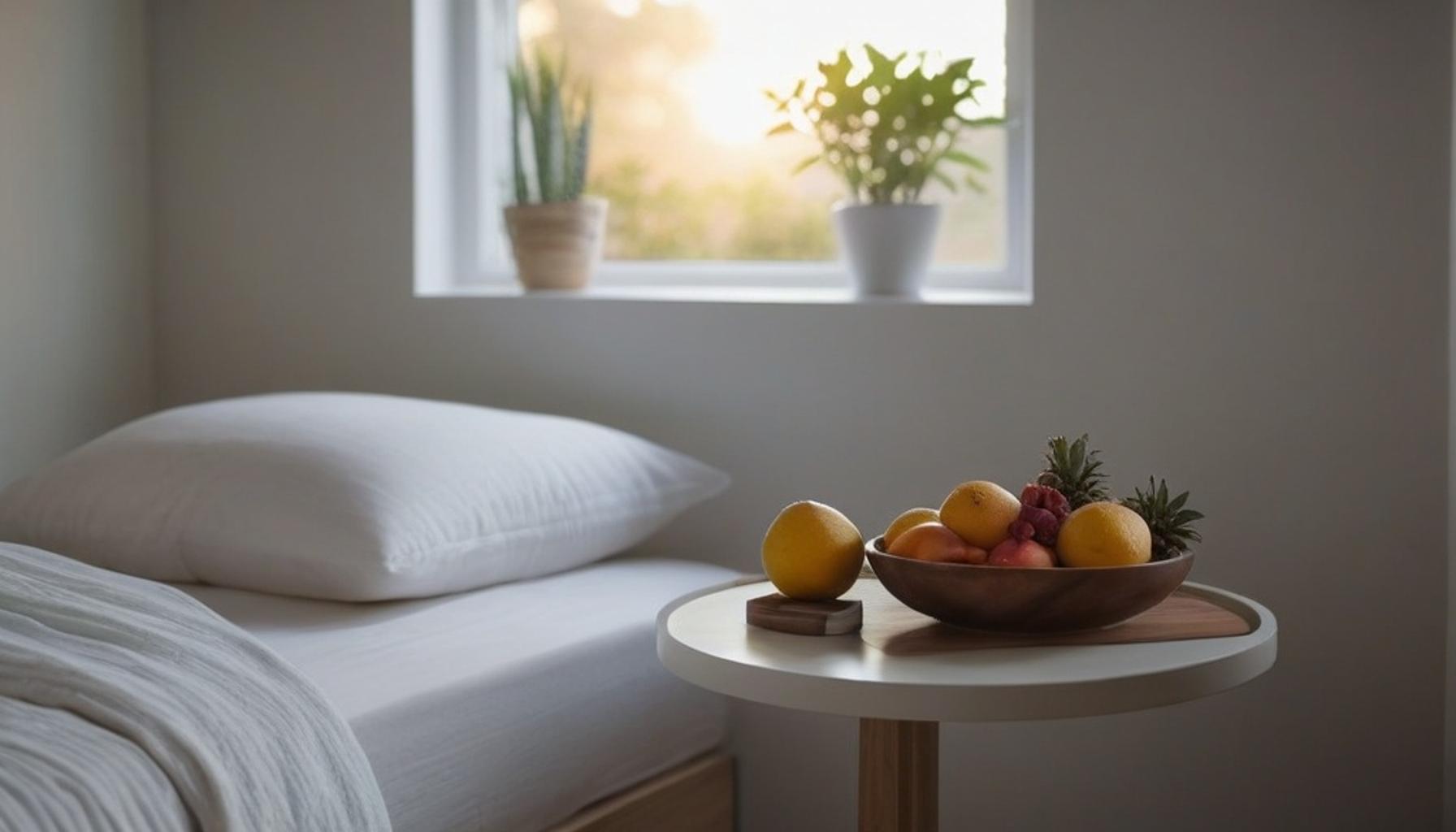
How Sleep Hygiene Practices Can Enhance Your Sleep Quality

Why Your Nightly Routine Matters More Than You Think
Nearly 1 in 3 American adults fail to get the recommended seven hours of sleep each night, according to the CDC. The culprit often isn’t a medical condition, but rather overlooked daily habits that quietly sabotage rest.
This is where sleep hygiene practices come into play. These are the small, science-backed adjustments that can transform restless nights into deep, restorative sleep.
Think about your typical evening. Maybe you’re scrolling through your phone in bed, sipping a late cup of coffee, or watching just one more episode before finally closing your eyes. These habits feel harmless in the moment, but they accumulate into a pattern that disrupts your body’s natural rhythm. Sleep specialists across the country, from New York to Los Angeles, are seeing a surge in patients whose struggles trace back not to insomnia disorders but to everyday choices made in the hours before bedtime.
What You’ll Discover
Sleep hygiene isn’t about expensive gadgets or complicated routines. It’s about understanding how simple changes can improve sleep quality naturally and sustainably.
- How your bedroom environment affects sleep cycles
- The connection between screen time and melatonin production
- Why consistent sleep schedules outperform weekend catch-up sleep
- Practical sleep hygiene tips you can start using tonight
Consider the bedroom itself. Temperature, lighting, and even the color of your walls can influence how quickly you drift off and how deeply you stay asleep. Research suggests that a room kept between 60 and 67 degrees Fahrenheit is ideal for most people, yet many American households keep bedrooms significantly warmer, especially during summer months when air conditioning habits vary widely.
Then there’s the glow of screens. Smartphones, tablets, and televisions emit blue light that interferes with melatonin, the hormone responsible for signaling to your brain that it’s time to wind down. Even thirty minutes of scrolling before bed can delay sleep onset, according to sleep researchers studying American consumer habits.
Poor sleep doesn’t just leave you groggy—it’s linked to increased risks of heart disease, weakened immunity, and cognitive decline. The benefits of sleep hygiene extend far beyond feeling rested, touching nearly every aspect of physical and mental health.
Ready to explore how good sleep habits can reshape your nights and energize your days? Let’s dive into the better sleep practices that experts recommend most.
LEARN MORE: Impact of Diet on Sleep Quality: Foods That Favor and Hinder
The Science Behind Building a Sleep-Friendly Environment
Walk into any American bedroom and you’ll likely find the same culprits sabotaging sleep: a television glowing in the corner, a phone charging on the nightstand, and blackout curtains that never quite block out the streetlight outside. These details matter more than most people realize.
Creating an environment that supports rest is one of the most foundational sleep hygiene practices recommended by experts nationwide. The National Sleep Foundation emphasizes that your bedroom should signal safety and calm to your nervous system, not stimulation.
Temperature, Darkness, and Sound: The Trifecta of Rest
Your body’s core temperature naturally drops as you prepare for sleep. A bedroom that’s too warm fights against this biological process, making it harder to fall and stay asleep. Sleep researchers have found that 60 to 67 degrees Fahrenheit hits the sweet spot for most adults.
Darkness plays an equally critical role. Exposure to even small amounts of light during the night can suppress melatonin production and fragment sleep cycles. This is particularly relevant for city dwellers in places like Chicago or San Francisco, where streetlights and neighboring buildings often flood bedrooms with ambient light.
Sound is the often-overlooked third pillar of this equation. A sudden noise, even one too faint to fully wake you, can pull your brain out of deep sleep and into a lighter stage without you ever realizing it happened. Over the course of a night, dozens of these micro-disruptions add up, leaving you groggy even after eight hours in bed. Researchers studying urban sleep patterns have noted that residents near busy intersections or train lines often report poorer sleep quality, even when they insist the noise “doesn’t bother them” consciously.
Consider these adjustments to optimize your sleep space:
- Install blackout curtains or a comfortable sleep mask to eliminate light disruption
- Use a white noise machine or fan to mask disruptive street sounds
- Set your thermostat to cool down automatically an hour before bedtime
- Remove electronic devices with standby lights from your direct line of sight
Some sleep clinics now recommend treating your bedroom like a cave: cool, dark, and quiet. It sounds almost primitive, but this comparison reflects how deeply our sleep biology is tied to ancestral environments rather than modern conveniences like screens and smart thermostats.
Why Consistency Beats Convenience
Many Americans treat weekends as an opportunity to “catch up” on lost sleep, sleeping in until noon after a week of five-hour nights. Unfortunately, this pattern—sometimes called social jet lag—confuses your circadian rhythm rather than repairing it.
Sleep specialists consistently point to regular sleep and wake times as one of the most effective sleep hygiene tips for long-term results. Going to bed and waking up within the same 30-minute window every day, including weekends, trains your body to anticipate rest and wakefulness naturally.
Interestingly, some researchers compare social jet lag to the disorientation felt after flying across several time zones, except it happens every single week without the excuse of an actual trip. The body essentially resets its internal clock on Friday and Saturday nights, only to be jolted back into a work schedule come Monday morning. This constant back-and-forth has been linked in preliminary studies to increased fatigue, mood fluctuations, and even metabolic changes over time.
This single habit alone can significantly improve sleep quality without requiring any additional lifestyle changes, according to data from multiple sleep clinics across the country. For anyone skeptical that something as simple as a consistent bedtime could outperform expensive mattresses or sleep-tracking gadgets, the growing body of research suggests otherwise, and it might be worth testing for a few weeks before investing in anything else.

SEE ALSO: The importance of a sleep routine in improving sleep quality and promoting healthy habits
What You Eat and Do Before Bed Shapes How You Sleep
Beyond the bedroom itself, the hours leading up to sleep carry enormous weight. What Americans consume, both physically and digitally, in the evening often determines whether they’ll toss and turn or drift off with ease.
Caffeine remains the most underestimated culprit. A cup of coffee at 2 p.m. might seem harmless, but caffeine has a half-life of roughly five to six hours, meaning half of it is still circulating in your bloodstream well into the evening. For some people, particularly slow metabolizers, traces can linger for up to 12 hours, quietly interfering with sleep onset without any obvious connection to that afternoon latte.
The Screen Time Dilemma Nobody Wants to Address
Smartphones have become the bedtime companion nobody asked for but almost everyone has. Blue light emitted from phones, tablets, and laptops suppresses melatonin production, the hormone responsible for signaling sleepiness to your brain.
Studies from sleep researchers suggest that scrolling social media or checking work emails within an hour of bedtime can delay sleep onset by 30 minutes or more. This might not sound significant on a single night, but compounded over months, it translates to hundreds of hours of lost rest annually.
Adopting better sleep practices around technology doesn’t require abandoning devices altogether. Small adjustments make a measurable difference:
- Enable night mode or blue light filters after sunset
- Set a “digital curfew” 60 minutes before your intended bedtime
- Charge phones outside the bedroom, or at least across the room
- Replace scrolling with low-stimulation activities like reading a physical book
Food, Alcohol, and the Myth of the Nightcap
Many Americans assume alcohol helps them sleep, and in a sense, it does, initially. Alcohol acts as a sedative, making you feel drowsy faster. However, it disrupts the second half of your sleep cycle, reducing REM sleep and often causing early morning awakenings.
Heavy meals close to bedtime present a similar paradox. Digestion requires energy and raises core body temperature, working directly against the natural cooling process your body needs to fall asleep. Nutritionists generally recommend finishing dinner at least three hours before bed, particularly when the meal includes rich, fatty, or spicy foods common in dishes like Tex-Mex or fried comfort food staples.
On the other hand, certain foods may genuinely support rest. Foods containing tryptophan, magnesium, or melatonin, such as almonds, turkey, and tart cherries, have shown modest benefits in preliminary research, though experts caution against relying on any single food as a cure-all.
Ultimately, these evening habits reflect the broader benefits of sleep hygiene: small, consistent choices that accumulate into noticeably better rest. None of these adjustments require drastic lifestyle overhauls, yet together they form a framework that many sleep specialists consider just as impactful as the physical sleep environment itself.
SEE ALSO: The Importance of Sleep Hygiene for Improving Sleep Quality
The Bigger Picture: Why Consistency Beats Perfection
Improving sleep quality is rarely about one dramatic change. It’s about stacking small, deliberate habits until they become second nature. From cooling your bedroom to a sleep-friendly temperature, to setting boundaries around screens and late-night snacks, every choice adds up to measurable results over time.
The research is clear on this point: Americans who commit to consistent sleep hygiene practices report fewer nighttime awakenings, faster sleep onset, and improved daytime alertness. These aren’t temporary fixes but sustainable shifts that compound in value the longer they’re maintained.
Start Small, Track Progress, Adjust as Needed
Nobody transforms their sleep overnight, and expecting instant results often leads to frustration. Instead, sleep specialists recommend choosing one or two sleep hygiene tips at a time, whether that’s establishing a consistent wake time or cutting caffeine after 2 p.m., and building from there.
Consider tracking sleep patterns using a journal or wearable device. Data revealing how alcohol, screen time, or late meals affect your rest can be a powerful motivator for lasting change.
- Set a fixed sleep and wake schedule, even on weekends
- Reassess your bedroom environment every few months
- Limit stimulants strategically rather than eliminating them entirely
- Give new habits at least two to three weeks before judging their impact
Final Thoughts
The benefits of sleep hygiene extend far beyond simply feeling less tired. Better rest supports immune function, emotional regulation, and long-term cardiovascular health, making it one of the most underrated investments in overall wellness.
As sleep science continues to evolve, one truth remains consistent: good sleep habits aren’t a luxury reserved for the disciplined few. They’re accessible, practical, and within reach for anyone willing to pay closer attention to how they wind down each night.
Frequently Asked Questions
What are the most important sleep hygiene practices to start with if I’m a beginner?
Start by setting a consistent wake-up time every day, even on weekends, since this anchors your body’s internal clock more effectively than a fixed bedtime. Next, limit screen exposure for 60 minutes before bed and keep your bedroom cool, dark, and quiet. These two changes alone often produce noticeable improvements within one to two weeks.
How long does it take for sleep hygiene practices to actually improve sleep quality?
Most people notice mild improvements in sleep onset and nighttime awakenings within 3 to 7 days of consistent practice. However, deeper benefits like improved sleep efficiency and daytime energy typically take 2 to 4 weeks, since your circadian rhythm needs time to stabilize. Sticking with the routine even on weekends speeds up this adjustment period.
Can improving sleep hygiene help with insomnia, or do I need medication?
Good sleep hygiene is often the first recommended step for mild to moderate insomnia and can reduce symptoms without medication in many cases. It works best when combined with techniques like stimulus control and limiting time spent awake in bed. If insomnia persists beyond 4 to 6 weeks despite consistent practices, consult a doctor or sleep specialist for further evaluation.
Does napping during the day ruin the benefits of good sleep hygiene at night?
Short naps of 10 to 20 minutes taken before 3 p.m. generally don’t interfere with nighttime sleep and can actually boost alertness. However, naps longer than 30 minutes or taken late in the afternoon can reduce your natural sleep drive and make it harder to fall asleep at night. If you struggle with insomnia, it’s best to avoid napping altogether until your sleep schedule stabilizes.
What temperature and lighting setup works best for optimal sleep hygiene?
A bedroom temperature between 60 and 67 degrees Fahrenheit is ideal for most adults, as cooler temperatures help trigger the body’s natural drop in core temperature needed for sleep onset. Blackout curtains or an eye mask combined with red or amber night lights, rather than blue-toned lighting, support melatonin production. Avoid bright overhead lights for at least an hour before bedtime to reinforce this environment.
How does caffeine timing affect sleep hygiene practices, and when should I stop drinking it?
Caffeine has a half-life of about 5 to 6 hours, meaning a cup consumed at 2 p.m. can still have half its effect in your system by 8 p.m. For best results, most sleep experts recommend cutting off caffeine intake by early afternoon, generally no later than 2 p.m. for average sensitivity. People who are highly caffeine-sensitive may need to stop even earlier, around noon, to avoid disrupted sleep onset.

Linda Carter
Linda Carter is a writer specializing in healthy habits and balanced living. With extensive experience helping readers build sustainable routines, she shares practical guidance on nutrition, physical activity, quality sleep, stress management, and emotional well-being. Her goal is to offer simple, accessible strategies that inspire people to care for their health and enjoy a more balanced life.