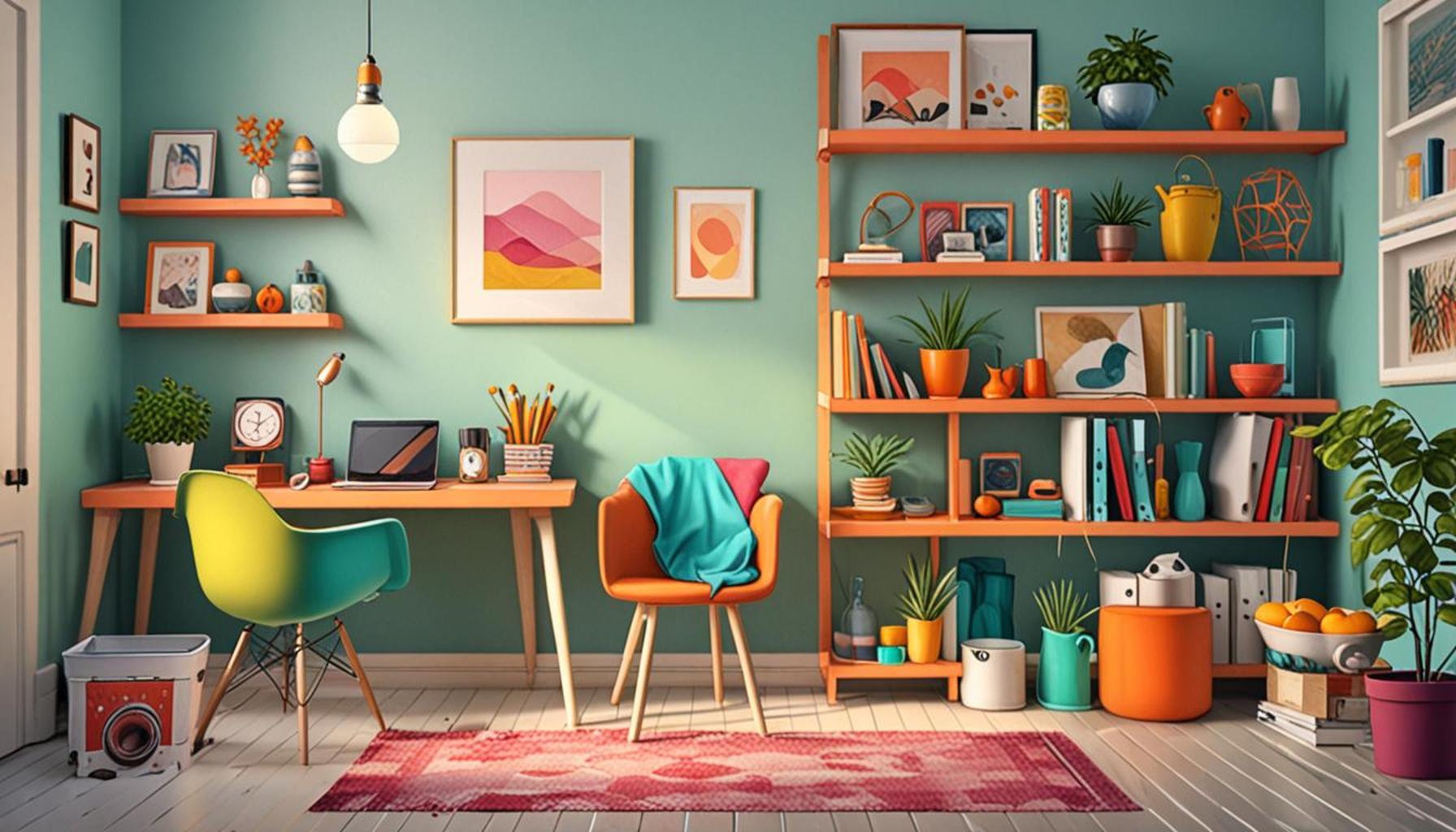
Simplicity in Design: Creating Effective Routines for Daily Life

The Benefits of Embracing Simplicity
In a fast-paced world overwhelmed by information overload, the value of simplicity in design cannot be overstated. When we consciously curate our environments and simplify our daily routines, we unlock transformative potential for both personal and professional growth. By prioritizing simplicity, we create a foundation that enhances our experiences and alleviates everyday stress.
Why Simplicity Matters
One of the key reasons to embrace simplicity lies in its widely recognized benefits. For starters, simplicity leads to reduced clutter, both physically and mentally. For instance, removing unnecessary items from your workspace can minimize distractions, allowing for deeper focus and a more productive session. Research shows that less clutter can improve cognitive performance, as our brains are better able to concentrate in tidy spaces.
Moreover, when it comes to improved decision-making, clarity is key. Consider the minimalist trends in successful brands like Apple, which emphasize straightforward design and intuitive interfaces that guide users effortlessly. By stripping away options that aren’t essential, we empower ourselves to make quicker and more effective choices. This principle even extends to our daily decisions, where a simplified wardrobe can reduce clothing choices, thus saving both time and mental bandwidth.
Let’s delve into the aspect of enhanced productivity. By implementing effective routines, individuals can optimize their time management. For example, planning a weekly meal prep not only saves time but also ensures healthier eating habits. This preemptive approach eliminates the frenzy of last-minute decisions and fosters a more organized lifestyle.
Incorporating structured routines can also help to establish consistency in our daily lives. Creating sustainable habits, such as a morning ritual or a designated work time, makes it easier to stay on track and manage responsibilities efficiently. Furthermore, these routines play a vital role in fostering well-being by encouraging regular exercise, mindfulness, and time for leisure—crucial elements for maintaining mental health.
Lastly, simplicity inherently encourages creativity. With fewer distractions and a clear mind, we gain the mental space to innovate and explore new ideas. Think about leading companies like Google, which prioritize a culture of openness and simplicity, thereby allowing employees to think outside the box and drive forward-thinking solutions.
As you consider the importance of simplicity in design, remember that the journey toward a more fulfilling life doesn’t require dramatic changes. Instead, by making small, intentional modifications to your habits and environments, you can achieve significant, lasting improvements. Embrace the principles of simplification and explore various strategies that can help you craft routines uniquely suited to your lifestyle.
DISCOVER MORE: Click here to learn effective strategies
Designing Routines for Clarity and Purpose
Creating effective routines hinges on understanding the core elements of simplicity. By integrating straightforward and intentional design principles into our daily habits, we can cultivate an atmosphere that supports clarity and purpose. Routines don’t have to be intricate or arduous; they can be streamlined, making everyday tasks become more manageable and focused.
Identifying Essential Activities
The first step in designing effective routines is to identify the activities that truly matter. This involves evaluating your daily tasks and determining which ones contribute positively to your goals. To streamline this process, consider the following factors:
- Impact: Does this activity significantly contribute to my well-being or professional goals?
- Time: How much time do I spend on this task, and is it proportional to its value?
- Frequency: How often do I engage in this activity, and can it be simplified or combined with another task?
By assessing activities based on these criteria, you can prune unnecessary obligations and focus your efforts on creating routines that bring real value. For example, if you find that excessive social media scrolling has become a time drain, consider replacing that with a quick evening walk or reading session that revitalizes your mind while promoting relaxation.
Establishing Structured Time Blocks
Another critical component of simplicity in design is the use of structured time blocks. Allocating specific periods during the day for different activities can dramatically improve efficiency. Time blocking involves reserving fixed time slots for tasks based on high-priority needs, ensuring that your day adheres to a simple yet effective structure.
The benefits of employing structured time blocks include:
- Enhanced Focus: Concentrating on one task at a time minimizes distractions and boosts productivity.
- Better Energy Management: Scheduling breaks helps maintain energy levels throughout the day.
- Clear Boundaries: Time blocks create clear delineations between work and leisure, fostering a more balanced lifestyle.
For instance, if you find that you are most alert in the mornings, consider dedicating those hours to tasks that require deep concentration. Conversely, evenings can be reserved for lighter activities such as unwinding with family or engaging in hobbies. The key is to remain flexible and make adjustments based on your personal rhythms.
Incorporating Mindfulness
Finally, integrating mindfulness into your routines allows for a greater sense of presence, transforming mundane tasks into meaningful rituals. Simple practices such as deep breathing or short meditation sessions can ground you before tackling the next task on your agenda. This intentional blending of mindfulness with simplicity can lead to enhanced mental clarity and an overall sense of fulfillment.
As you embark on crafting routines imbued with simplicity, remember that the goal is not to create a rigid framework but rather to design a flexible, adaptive system that caters to your individual needs and circumstances. Embrace the essence of simplicity, and pave the way for a more organized and purposeful daily life.
Simplicity in Design: Creating Effective Routines for Daily Life
In the fast-paced world we live in, creating effective routines that streamline our daily lives is essential. By embracing simplicity in design, individuals can reduce clutter, enhance productivity, and cultivate a sense of peace amidst chaos. This principle can be applied not only to physical spaces but also to our schedules, interactions, and planning methods.
One way to implement simplicity is through the organization of daily activities. For example, consider using visual tools such as calendars and to-do lists that prioritize tasks based on urgency and importance. This approach minimizes overwhelm and highlights what truly matters. In addition, setting specific time blocks for delegated activities allows for focused work sessions, eliminating the distractions that often clutter our minds.
Moreover, embracing minimalistic approaches can refine our decision-making. By reducing the number of choices we face daily—such as clothing, meal planning, and social engagements—we can conserve mental energy for more significant decisions. This streamlining translates into improved clarity and enhances well-being as we dedicate more time to what we genuinely value.
| Category 1 | Category 2 |
|---|---|
| Time Management | Utilizing time-blocking techniques increases efficiency by dedicating specific time slots for tasks. |
| Clutter Reduction | A simplified environment fosters concentration and removes distractions that hinder productivity. |
Incorporating these principles of simplicity into daily routines can yield substantial benefits, fostering an atmosphere that encourages creativity and innovation. As we explore the ways simplicity can enhance our daily lives, we are prompted to reevaluate not only our environments but also our internal processes and habits.
DISCOVER MORE: Click here to learn why simple design matters
Implementing Routine Adjustments for Long-Term Success
Once you have laid the groundwork for your routines, the next step is to recognize the importance of adaptation. Life is dynamic, and the routines that work well for you today may not hold the same effectiveness tomorrow. By implementing periodic routine adjustments, you ensure your daily life remains fresh, engaging, and aligned with your ever-evolving goals.
Embrace the Power of Reflection
Regularly reflecting on your routines can unveil opportunities for improvement. Setting aside time each week to assess what worked well and what didn’t fosters an environment for growth. Consider asking yourself:
- Which routines energized me this week, and which drained my motivation?
- Did I prioritize my time effectively, and how could I have structured my day differently?
- What obstacles did I face, and how can I eliminate or work around them moving forward?
This reflective practice, backed by evidence from productivity experts, supports agile thinking in routine development. Research suggests that an adaptable approach can significantly enhance personal well-being and reduce stress levels, as it allows individuals to pivot towards more favorable habits when faced with life’s challenges.
Utilizing Technology for Simplicity
In this digital age, technology offers valuable tools that can simplify the implementation and tracking of your routines. Mobile apps designed for task management and habit tracking, such as Todoist or Habitica, can provide a seamless way to organize your daily tasks. Features like reminders and progress tracking help maintain focus and motivation.
Moreover, smart home devices can automate various mundane tasks, giving you the freedom to concentrate on tasks that require your full attention. For instance, smart speakers can be programmed to remind you of important tasks or even manage your home environment, allowing you to save time and streamline your routines even further.
Setting Measurable Goals
A significant aspect of effective routines is the establishment of measurable goals. When designing your routines, it’s important to ensure that you can gauge your progress over time. One approach is to utilize the SMART criteria – specific, measurable, achievable, relevant, and time-bound – to set realistic objectives for your daily activities.
For example, if one of your objectives is to cultivate a habit of reading, instead of broadly aiming to “read more,” specify your goal by committing to read for at least 30 minutes each day, five days a week. The clarity of having a measurable target enhances accountability and fosters momentum as you track your progress.
Creating Supportive Environments
The environment in which you operate significantly influences your ability to stick to routines. Human behavior is often shaped by surroundings, so intentionally designing spaces that encourage your activities can simplify adherence to your routines. For instance, if you want to incorporate daily exercising into your life, setting up a dedicated area with your workout gear easily accessible can eliminate barriers to entry.
Additionally, consider the influence of your social environment. Surrounding yourself with supportive individuals who share similar goals can create a positive feedback loop, pushing you to remain committed to your routines. Research indicates that social accountability can increase the likelihood of success, making your journey towards simplicity more engaging and enjoyable.
DISCOVER MORE: Click here to find out how design boosts productivity
Conclusion: Embracing Simplicity for Lasting Impact
In a world that often feels cluttered and overwhelming, simplicity in design and routine creation becomes a powerful tool for enhancing our daily lives. As we’ve explored, the journey toward effective routines involves a blend of reflection, adaptation, and technology. By consistently evaluating our routines and making necessary adjustments, we cultivate a more agile approach to everyday challenges. This not only helps us remain motivated but also fosters personal growth and well-being.
Furthermore, leveraging technology to streamline our tasks can lead to increased efficiency and less mental clutter. Applications for habit tracking and smart home devices are simple yet effective solutions that free up our minds to focus on what truly matters. Coupled with the establishment of measurable goals, we gain clearer paths toward success, whether it’s achieving fitness milestones or dedicating time to personal projects.
Lastly, creating supportive environments both physically and socially cannot be overlooked. By surrounding ourselves with like-minded individuals and designing spaces that reflect our intentions, we reinforce our commitment to the routines we’ve established. As you consider these elements, remember that simplicity doesn’t mean sacrificing complexity; rather, it’s about distilling the essence of what you wish to achieve into actionable, maintainable habits.
As you embark on your journey towards a simpler, more organized life, keep in mind that effective routines are not static—they evolve with you. Take the insights shared here to heart, and let them guide you as you cultivate routines that resonate with your purpose and aspirations.