The Impact of Regular Physical Exercise on Sleep Quality and Restorative Health
Why Your Workout Routine Might Be the Missing Piece in Your Sleep Puzzle
Millions of Americans toss and turn each night, chasing sleep that never quite feels restorative. Meanwhile, the answer might already be sitting in their gym bag or running shoes. Emerging research reveals a powerful connection between regular exercise sleep quality and how deeply the body recovers overnight.
The CDC reports that over one-third of U.S. adults don’t get enough sleep on a regular basis. At the same time, studies increasingly point to physical activity as one of the most accessible, drug-free tools for fixing that problem. From New York office workers logging late hours to Texas construction crews battling summer heat, sleep struggles cut across every lifestyle and profession, making this research relevant to nearly everyone.
What Science Is Uncovering About Movement and Rest
The relationship between physical activity and sleep goes far deeper than simple tiredness. Understanding how exercise improves sleep involves body temperature regulation, hormone balance, and stress reduction working together. When someone exercises, their core body temperature rises during the activity and then drops afterward, a shift that mimics the natural temperature decline the body experiences before sleep onset. This drop can act as a signal, nudging the brain toward drowsiness at the right time each night.
- Moderate aerobic activity, such as brisk walking or cycling, can reduce the time it takes to fall asleep by as much as several minutes compared to sedentary days
- Strength training has been linked to deeper, more consistent sleep cycles, possibly due to muscle repair processes that occur predominantly during slow-wave sleep
- Consistent movement helps regulate the body’s internal circadian clock, reinforcing predictable sleep-wake patterns even for people with irregular schedules
This raises an intriguing question: could adjusting your daily activity level be more effective than any sleep supplement on the market? Considering the billions of dollars Americans spend annually on melatonin gummies and prescription sleep aids, the idea that a jog around the neighborhood might rival those products deserves serious attention.
Beyond Just Falling Asleep Faster
The benefits of exercise on sleep extend beyond simply drifting off quickly. Exercise and restorative health are closely intertwined, influencing everything from immune function to muscle repair during deep sleep stages. Researchers have observed that people who exercise regularly often spend more time in slow-wave sleep, the stage most associated with physical recovery and memory consolidation.
This article explores the science behind that connection, examining exactly how physical activity and sleep quality interact. It also breaks down practical strategies for combining sleep hygiene and exercise into a routine that actually works for real, busy lives, whether that means an early morning gym session or a short evening walk after dinner.
YOU MAY ALSO LIKE: The importance of physical exercise on mental and emotional health
The Hormonal Chain Reaction That Links Sweat Sessions to Sound Sleep
Step inside any sleep laboratory and researchers will tell you the same thing: sleep isn’t just one state, it’s a series of biological negotiations happening between the brain, muscles, and hormones. Regular exercise sleep quality improvements stem largely from how physical activity reshapes those negotiations, particularly around cortisol and melatonin production.
Cortisol, the body’s primary stress hormone, typically spikes during acute exercise but then settles to lower baseline levels in people who train consistently. A 2023 review published in the Journal of Clinical Sleep Medicine found that individuals who exercised at least 150 minutes weekly, the amount recommended by the CDC, showed significantly lower evening cortisol readings than sedentary peers. Lower evening cortisol makes it easier for melatonin to do its job, ushering the body into sleep without the wired, anxious feeling so many Americans describe after a stressful workday.
The Anxiety-Sleep Connection Exercise Helps Break
Anyone who has paced a bedroom at 2 a.m. running through tomorrow’s to-do list understands how anxiety sabotages rest. This is where exercise and restorative health intersect most visibly. Physical activity triggers the release of endorphins and reduces amygdala reactivity, essentially turning down the brain’s alarm system.
Consider the following patterns researchers have documented:
- Adults who walked 30 minutes daily for eight weeks reported a 40% reduction in sleep-onset insomnia symptoms in a University of Georgia study
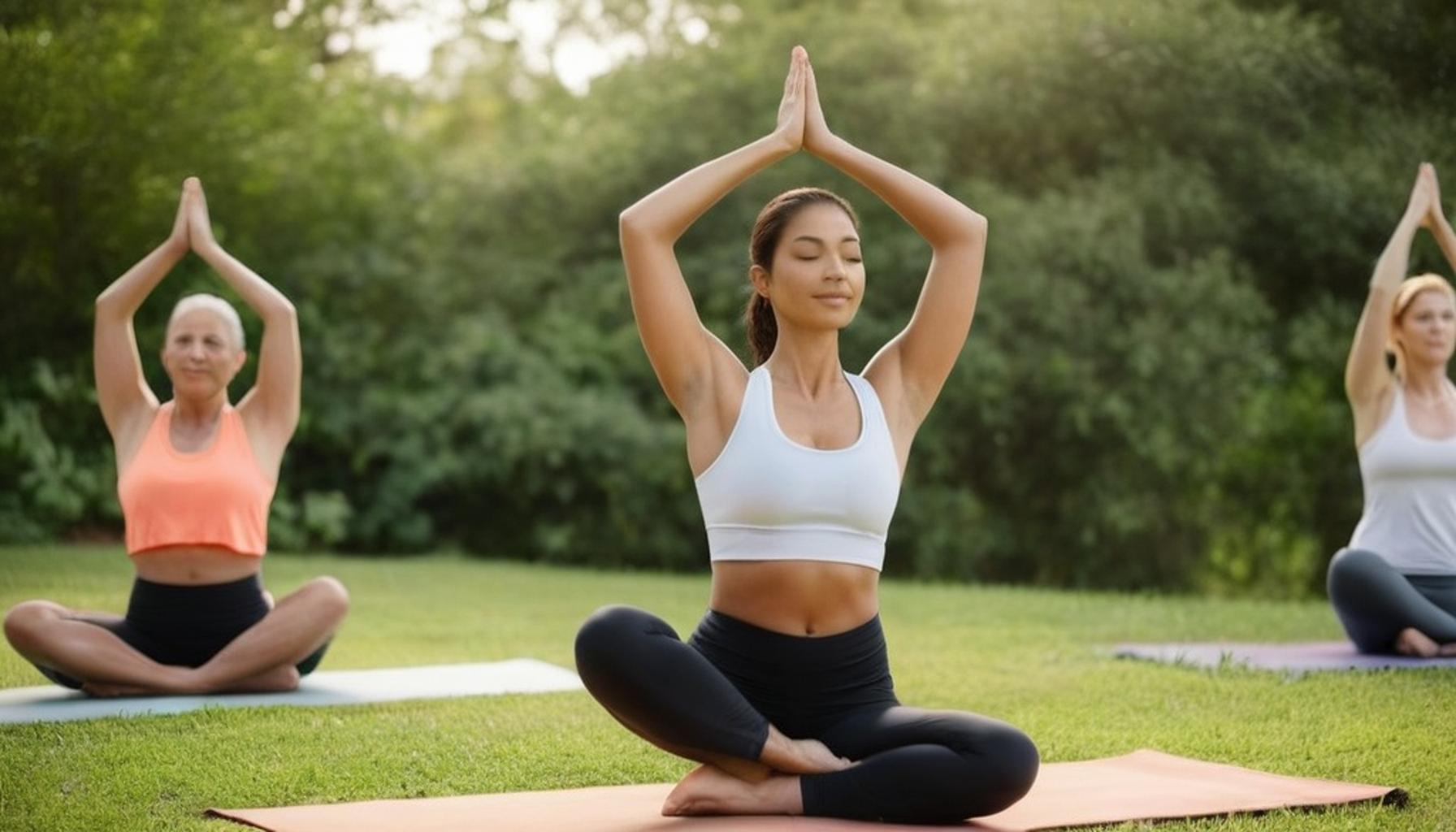
- Yoga practitioners showed measurable decreases in nighttime awakenings, likely tied to parasympathetic nervous system activation
- Office workers who took short activity breaks during the workday fell asleep an average of 15 minutes faster than those who remained seated all day
These findings matter especially for residents of high-pressure metro areas like Chicago or Los Angeles, where commute stress and long work hours already chip away at sleep opportunity.
Timing Matters More Than Many Realize
Understanding how exercise improves sleep also requires attention to timing, not just frequency. Morning workouts tend to reinforce circadian rhythms by exposing the body to activity and often sunlight simultaneously, both of which help anchor the internal clock.
Evening exercise isn’t necessarily harmful, despite popular belief. Recent data suggests moderate-intensity workouts completed at least one hour before bedtime rarely disrupt sleep for most healthy adults. The bigger concern lies with high-intensity training too close to lights-out, which can elevate heart rate and core temperature past the point of comfortable wind-down.
This nuance matters for shift workers and night-shift nurses, a demographic particularly vulnerable to disrupted physical activity and sleep quality patterns, who often need tailored exercise timing to protect whatever sleep window they have available.
DIVE DEEPER: Click here to discover how meditation can help manage stress
Deep Sleep Architecture: What Happens After the Workout Ends
Beyond hormones and anxiety relief, something more structural occurs in the brain’s sleep architecture when people train consistently. Polysomnography studies, the gold-standard method for measuring sleep stages, reveal that exercisers spend more time in slow-wave sleep, the deep, restorative phase where tissue repair and memory consolidation actually happen.
This is arguably the most overlooked piece of the benefits of exercise on sleep conversation. Sleep duration gets most of the attention, but sleep architecture, how the body cycles through light, deep, and REM stages, determines whether those hours actually leave someone feeling refreshed.
What Slow-Wave Sleep Actually Does for the Body
Researchers at the National Institutes of Health have linked increased slow-wave sleep to several measurable outcomes that go far beyond simply feeling less groggy.
- Growth hormone secretion peaks during deep sleep, supporting muscle recovery in athletes and weekend warriors alike
- Glymphatic system activity, the brain’s waste-clearance process, ramps up significantly during slow-wave stages, potentially reducing buildup linked to cognitive decline
- Immune function markers, including cytokine production, improve with consistent deep sleep, which may explain why regular exercisers report fewer sick days
A Stanford-affiliated study tracking recreational runners found participants averaged 18% more slow-wave sleep than non-runners of similar age and health status. That’s not a marginal difference, it represents a meaningful shift in how efficiently the body repairs itself overnight.
Strength Training Deserves More Credit
Most conversations about physical activity and sleep quality default to cardio, but resistance training carries its own distinct advantages. A study following adults over 60 found that twice-weekly strength sessions improved sleep efficiency, the percentage of time in bed actually spent asleep, by nearly 15%.
This finding carries weight for older Americans, particularly those managing arthritis or osteoporosis, conditions common across aging populations in states like Florida and Arizona where retiree communities are dense. Strength training doesn’t just build muscle, it appears to recalibrate the nervous system in ways that support deeper rest.
Building Sustainable Habits Around Sleep Hygiene and Exercise
None of these benefits arrive overnight, pun intended. Consistency separates people who see results from those who don’t.
Sleep specialists increasingly recommend pairing sleep hygiene and exercise strategies together rather than treating them as separate wellness categories. Practical steps include:
- Scheduling workouts at consistent times to reinforce circadian signaling
- Avoiding screens and bright light immediately after evening exercise sessions
- Tracking sleep patterns alongside workout logs to identify personal timing thresholds
Fitness trackers and sleep-monitoring apps have made this kind of self-experimentation more accessible than ever, giving everyday users data once reserved for clinical sleep studies.
The Bigger Picture: Why This Connection Matters Now
The evidence gathered across hormone regulation, brain wave patterns, and nervous system recalibration points to one conclusion: regular exercise sleep quality improvements aren’t anecdotal wellness trends, they’re measurable physiological shifts backed by clinical data. From slow-wave sleep gains among runners to sleep efficiency boosts among older adults lifting weights twice a week, the research consistently points in the same direction.
What makes this topic especially relevant for Americans today is the broader context. The CDC reports that roughly one in three adults nationwide doesn’t get enough sleep on a regular basis, a statistic tied to rising rates of heart disease, obesity, and mental health struggles. Against that backdrop, exercise and restorative health emerge as a low-cost, accessible intervention that doesn’t require a prescription or a specialist referral.
What Comes Next for Readers
Understanding how exercise improves sleep is only useful if it translates into action. That doesn’t mean training for a marathon or overhauling an entire lifestyle overnight. Even modest, consistent movement, brisk walks, light resistance sessions, a few weekly bike rides, appears sufficient to shift sleep architecture in measurable ways.
The relationship between physical activity and sleep quality deserves continued attention as wearable technology generates more personalized data than clinical studies ever could at scale. Future research will likely refine exactly how much exercise, at what intensity, and at what time of day, produces the strongest results for different age groups and health conditions.
For now, the takeaway is straightforward. Movement and rest aren’t separate goals competing for time in a busy schedule, they’re interconnected systems that reinforce each other. Prioritizing one strengthens the other, and that feedback loop may be one of the simplest, most underused tools available for long-term health.

Linda Carter
Linda Carter is a writer specializing in healthy habits and balanced living. With extensive experience helping readers build sustainable routines, she shares practical guidance on nutrition, physical activity, quality sleep, stress management, and emotional well-being. Her goal is to offer simple, accessible strategies that inspire people to care for their health and enjoy a more balanced life.