
Minimalist Workspaces: How Space Optimization Can Increase Productivity
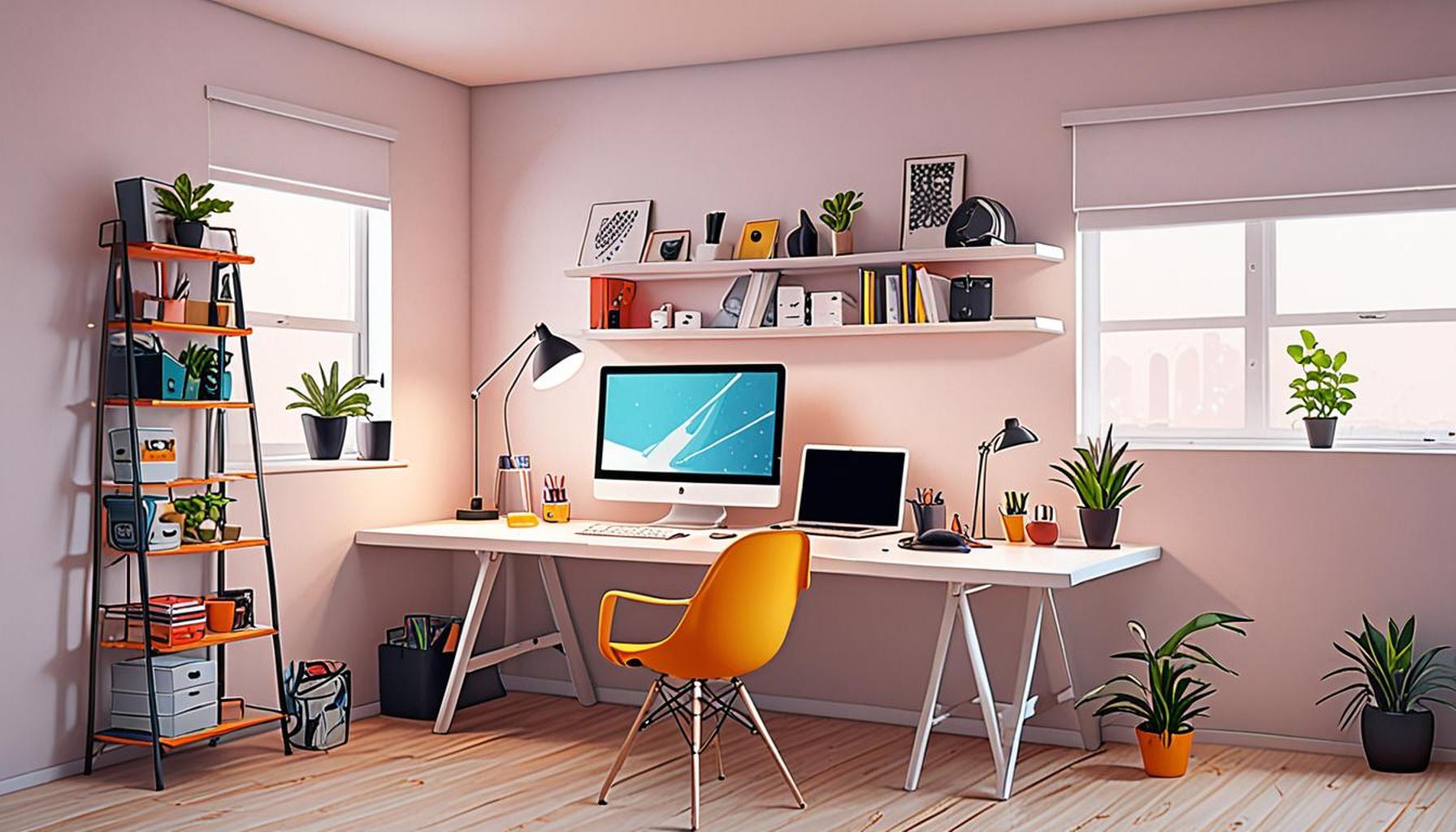
Transforming Your Workspace with Minimalism
In today’s fast-paced world, minimalist workspaces have emerged as a beacon of clarity and productivity. Amidst the chaos of multitasking and endless notifications, the art of space optimization invites us to embrace simplicity. What if your work environment could actively enhance your concentration and efficiency? The allure of minimalism lies in its potential to provide both physical and mental clarity, helping us navigate the complexities of modern work life.
Applying minimalist principles to your workspace can transform your daily routine significantly. Consider these features of an optimized workspace:
- Decluttered surfaces: Clear desks lead to a clear mind. Studies suggest that clutter can lead to feelings of anxiety and overwhelm, which detract from your ability to concentrate. A simple decluttering process—removing unnecessary items and organizing essential tools—can have an immediate positive impact on your ability to focus.
- Functional furniture: Choose items that serve multiple purposes. For instance, a desk that doubles as a standing workstation can promote healthier posture while saving space. Multi-functional furniture not only optimizes the physical area but also encourages versatility in how you engage with your tasks.
- Strategic layout: Positioning can influence workflow and communication. Arranging your workspace in a way that minimizes unnecessary movement and maximizes accessibility to frequently used items can enhance efficiency. For example, placing your computer monitor at eye level can reduce neck strain, while keeping commonly used tools within arm’s reach minimizes disruptions.
Research consistently shows that a well-organized workspace can enhance focus. According to a study by the University of California, Irvine, employees experience interruptions every 11 minutes, which can significantly affect their productivity levels. By creating a minimalist environment, you can help mitigate distractions and foster a more effective work atmosphere.
As we delve deeper into the concept of minimalism in the workplace, let’s explore practical tips such as establishing a “one in, one out” rule to control the clutter or utilizing storage solutions that are both aesthetic and functional. For an example beyond mere theory, consider companies like Apple and Google, whose modern, minimalist office designs reflect their commitment to innovation. Their workspaces not only facilitate collaboration but also inspire creativity while avoiding overwhelming employees with visual clutter.
Ready to transform your workspace for optimal productivity? Embrace minimalism not just as a design choice, but as a lifestyle adjustment that could revolutionize how you work and think. By prioritizing simplicity and organization, you may discover a newfound ability to engage deeply with your tasks, ultimately unlocking your full potential.

DISCOVER MORE: Click here to transform your space
The Psychological Impact of Minimalism
When considering the advantages of minimalist workspaces, it is essential to acknowledge the profound psychological impact that a simplified environment can have on an individual’s productivity. Our surroundings greatly influence our mental state; hence, a workspace that embraces minimalism can lead to a marked increase in focus and motivation. The science behind this is compelling.
A study published in the journal Environment and Behavior highlights how visually cluttered spaces can negatively affect cognitive performance. In a cluttered environment, our brains are compelled to process excessive stimuli, leading to mental fatigue. Conversely, minimalism nurtures a serene ambiance that promotes clearer thinking and facilitates concentration. This is particularly applicable in the context of open-office layouts that often suffer from the chaos of distractions—understanding the essence of minimalism can drastically improve such settings.
Establishing a Minimalist Mindset
Beyond physical changes to your workspace, adopting a minimalist mindset involves cultivating a disciplined approach to organizing both your environment and your tasks. Here are some practical strategies to consider:
- Prioritize Your Tasks: Begin by identifying the top three tasks that must be accomplished each day. Focus more on quality over quantity by dedicating your energy to these priorities instead of scattered responsibilities.
- Embrace the Digital Shift: With technology at our fingertips, consider transitioning to digital tools that can effectively replace physical paperwork. Organizing files digitally not only saves space but also enhances accessibility—ensuring that important documents are just a click away.
- Set Clear Boundaries: In a minimalist workspace, creating boundaries is vital. Limit your workspace to only essential tools and eliminate distractions such as personal devices or unrelated materials that could disrupt your workflow.
Understanding the psychological ramifications of minimalism can empower you to make intentional choices about your workspace design. Inspired by the principles of the Japanese Zen philosophy, many individuals have found that a clean and organized space leads to greater depth in their work. By implementing minimalist strategies, you not only enhance your physical environment but also foster a profound shift in your mindset, ultimately positively influencing your productivity.
Innovation leaders, such as Airbnb and Dropbox, exemplify the direct correlation between space optimization and productivity. Their offices reflect minimalist designs that employ clean lines and thoughtful spatial arrangements to create an atmosphere conducive to both collaboration and individual work. Consequently, employees are inspired to thrive in their roles, revealing the practical benefits of minimalist principles across various sectors.
Moving forward, consider how adopting a minimalist workspace could transcend the boundaries of traditional design, inviting you to discover new levels of productivity and creativity. By embracing a lifestyle of intentional simplicity, you may find that the key to unlocking your peak performance lies in the art of space optimization.
Understanding the Role of Minimalist Design in Productivity
In today’s fast-paced world, where distractions are abundant, creating a minimalist workspace is becoming increasingly essential. This approach not only fosters an atmosphere conducive to focus but also encourages creativity. One key aspect of this design philosophy is space optimization, which implies organizing and using the available area efficiently. When clutter is minimized, both physically and mentally, individuals tend to experience higher productivity levels.
The Psychological Benefit of Decluttered Spaces
Research suggests that workspaces void of unnecessary items can lead to improved concentration. This is because visual clutter competes for attention, distracting individuals from their primary tasks. By streamlining the workspace, employees can allocate their cognitive resources toward creative thinking and problem-solving rather than battling disorganization.
Enhanced Flexibility with Minimalist Settings
Another remarkable advantage of minimalist workspaces is enhanced flexibility. With fewer pieces of furniture and accessories, such environments allow for quick adaptations to various tasks, whether collaborative meetings or solitary work sessions. Mobile furniture can be easily arranged to accommodate changing needs, facilitating a dynamic working environment that spurs collaboration and innovation.
Improved Mental Well-Being
A clean and organized workspace positively impacts mental well-being. Studies indicate a direct correlation between workspace aesthetics and mood enhancement. Minimalist designs often utilize calming colors and ample natural light, creating a peaceful environment that reduces stress and enhances overall job satisfaction. Employees in such settings are less likely to feel overwhelmed, contributing to better performance and reduced burnout.
Incorporating Natural Elements
The integration of nature in minimalist workspaces can further heighten productivity. Research shows that biophilic design, which involves incorporating natural elements such as plants, can lead to increased creativity and decreased stress levels. Simple additions like greenery or natural light sources provide a refreshing contrast to the often-stale office environment, making workspaces more enjoyable and stimulating.
| Category | Description |
|---|---|
| Reduced Clutter | Minimizing distractions leads to improved focus. |
| Increased Flexibility | Adaptable workspace enables enhanced collaboration. |
| Mental Well-Being | Aesthetic environments reduce stress and promote satisfaction. |
| Nature Integration | Plants improve creativity and lower stress. |
Adopting a minimalist approach not only transforms physical spaces but also rewires our mental processes. The subtleties of space optimization become clear as professionals navigate their daily tasks with renewed vigor and enhanced productivity.
DISCOVER MORE: Click here to dive deeper
Creating Functional and Aesthetic Spaces
The minimalist workspace isn’t solely focused on decluttering; it is about creating a harmonious environment that balances functionality and aesthetics. An inviting yet efficient workspace can profoundly influence an individual’s productivity levels. Integrating aspects of both design and utility ensures that the workspace not only looks good but serves its purpose effectively.
One prevalent trend in minimalist workspace design involves the use of multifunctional furniture. For instance, a desk that can be elevated for standing tasks encourages movement and vitality throughout the workday, while also saving precious space. These types of furniture adapt to individual needs, creating an environment that is not only conducive to work but also promotes physical health.
Additionally, natural elements and light play a significant role in cultivating an inspiring atmosphere. Incorporating plants can enhance air quality and add a touch of nature, leading to improved well-being and reduced stress. As such, many companies have turned to biophilic design principles, which emphasize the connection between indoor spaces and nature. Reports indicate that workplaces with ample natural light and greenery see an increase in employee satisfaction and productivity, showing the palpable effects of incorporating nature into minimalist designs.
Implementation of Color Psychology
Color psychology is another important factor to consider within minimalist workspaces. Research has shown that different colors evoke varying emotional responses. For example, shades of blue and green are often associated with calmness and focus, making them suitable choices for work environments aimed at enhancing productivity. On the other hand, warm colors like yellow can stimulate creativity and energy. By thoughtfully selecting and limiting color palettes in the workspace, organizations can enhance mental clarity and support the desired workforce objectives.
Moreover, the layout of a workspace must promote a seamless flow to facilitate both collaboration and individual work. Open layouts can encourage teamwork, but incorporating dedicated quiet zones is essential for personal focus. The introduction of collaborative hubs combined with serene retreats ensures that employees can shift between modes of working with ease. Research by Herman Miller suggests that employees in well-designed workspaces report higher levels of engagement, highlighting the importance of both communal and private settings.
Technology, too, plays a pivotal role in enhancing minimalist workspaces. Smart solutions such as wireless charging stations and integrated sound systems can reduce clutter created by cords and devices. Tools like project management software and scheduling apps streamline tasks, ensuring that the focus remains on achieving productivity rather than contending with overwhelming lists and unorganized paperwork.
Ultimately, the concept of a minimalist workspace transcends mere aesthetic appreciation. It fosters an environment that can facilitate positive working habits, cultivate creativity, and enhance overall productivity levels. As companies strive to step away from the conventional cluttered office setup, the shift towards intentional design choices becomes increasingly prevalent. With compelling evidence pointing towards the advantages of minimalist approaches, organizations are more encouraged than ever to create spaces that empower employees to do their best work.
LEARN MORE: Click here to discover how conscious consumption can enhance your well-being
Conclusion
As we’ve explored, the shift toward minimalist workspaces represents more than just a trend; it symbolizes a fundamental change in how organizations conceive work environments. The careful combination of space optimization, functionality, and aesthetics can lead to improved focus and enhanced productivity. By emphasizing elements such as multifunctional furniture, natural light, and the astute application of color psychology, businesses not only create beautiful spaces but also foster mental clarity and creativity among employees.
The incorporation of technology further amplifies this potential, minimizing clutter and streamlining processes so that employees can dedicate their energies to meaningful work. By recognizing the impact of workspace design on employee well-being, companies can create an ecosystem that promotes collaboration and individual concentration alike.
Ultimately, the minimalist workspace approach not only encourages the physical decluttering of environments but also promotes a mental shift toward efficiency and focus. As organizations pivot from traditional office layouts to more intentional designs, they pave the way for innovative and productive workforces. The evidence is clear: space optimization isn’t just about minimizing distractions; it’s about maximizing the potential of every individual within the company. Moving forward, embracing minimalist principles in workspace design could very well be the key to unlocking unprecedented levels of productivity and creativity.