Minimalist Outdoor Spaces: How to Optimize Gardens and Balconies to Create Urban Refuges
Creating Tranquility in Urban Areas
In today’s fast-paced world, urban dwellers often seek solace in the simplest of spaces—gardens and balconies. These minimalist outdoor areas provide a much-needed retreat from the hustle and bustle of city life. By optimizing these small spaces, you can transform them into serene urban refuges that not only enhance your home’s aesthetic but also positively impact your mental well-being.
Why Minimalism Matters
The philosophy of minimalism encourages the removal of excess, allowing focus on what truly matters. When applied to outdoor spaces, this approach offers numerous benefits, including:
- Enhanced tranquility: A clutter-free space can be therapeutic, making it easier to unwind after a stressful day. For instance, studies have shown that individuals who regularly spend time in green spaces report lower levels of anxiety and higher overall satisfaction with life.
- Increased functionality: By carefully selecting and arranging your furniture and plants, you can maximize the use of limited space. For example, a foldable table can be used for dining or as a workspace, minimizing the need for larger, stationary pieces.
- Lower maintenance and upkeep: Emphasizing simplicity means investing in fewer, high-quality items that are easier to care for. Native plants require less water and are often more resilient, making them excellent choices for low-maintenance gardens.
To create an inviting and functional environment in your garden or balcony, consider incorporating the following elements:
- Multi-functional furniture: Opt for furniture that serves more than one purpose. A bench with storage underneath can provide seating while also serving as a discreet place to store gardening tools or cushions.
- Simple plant arrangements: Select a few carefully chosen plants rather than overcrowding your space. A mix of tall plants, like bamboo or ornamental grasses, paired with flowering perennials can establish a visually pleasing arrangement without overwhelming the senses.
- Natural materials for a harmonious look: Using wood, stone, or terracotta can enhance the tranquility of a space. Such materials blend well with greenery and can create an organic feel that’s refreshing amidst the urban concrete jungle.
Through thoughtful design and intentional choices, your garden or balcony can reflect your personal style while serving as a peaceful getaway. As urban living continues to rise, understanding how to optimize these spaces becomes increasingly crucial. Embracing minimalism not only beautifies your immediate environment but can also interact directly with your mental health, encouraging a lifestyle that prioritizes well-being amidst the chaos of city life.
As you delve into the world of urban gardening and balcony design, remember that even the smallest spaces can become your sanctuary. Experiment with different layouts, materials, and plants to discover what resonates with you, and soon you may find that your little corner of the city becomes a true oasis of tranquility.

DIVE DEEPER: Click here to learn more
Designing Your Urban Oasis
Creating a minimalist outdoor space is not just about choosing aesthetic elements; it’s about fostering a lifestyle that embraces simplicity and tranquility. To begin your design journey, consider what you want your garden or balcony to achieve. Is it a space for relaxation, entertaining, or perhaps cultivating a small vegetable garden? Understanding your primary goals can streamline the decision-making process and ensure that every element you introduce serves a purpose.
Effective Planning and Layout
A well-thought-out layout is crucial when optimizing your outdoor space. With limited square footage, it’s essential to use every inch wisely. Here are some strategies to help you design your urban retreat:
- Zoning: Divide your space into zones based on activities—such as a seating area, a plant area, and a dining section. This separation can create a sense of organization and contribute to the minimalist aesthetic.
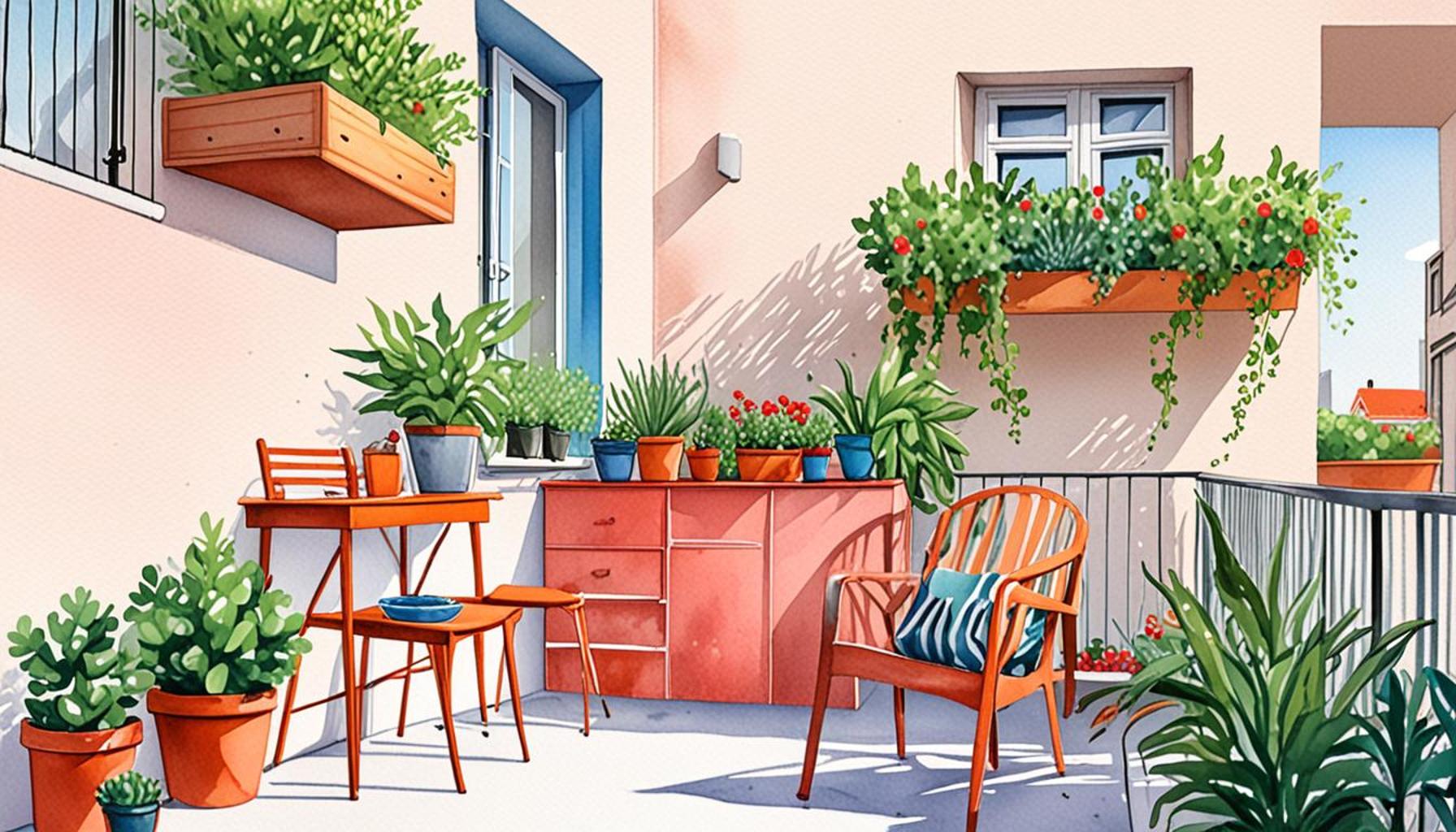
- Vertical gardening: Make use of walls and railings by incorporating vertical gardens. Using wall planters or hanging pots not only saves floor space but also adds visual intrigue and greenery to the vertical dimensions of your outdoor area.
- Flooring and rugs: A well-chosen outdoor rug can define a seating area and add warmth to cold surfaces like concrete or tiles. Opt for materials that can withstand the elements while complementing your chosen color palette for a cohesive look.
In addition to spatial organization, selecting a color scheme is essential for achieving a minimalist design. Neutral colors often work best, as they create a calming vibe and allow nature’s colors to stand out. Soft grays, earthy browns, and muted greens can serve as the foundation for your palette, providing a sophisticated backdrop for vibrant plants and decor elements.
Careful Plant Selection
When it comes to plants, less is more. Here are some tips for selecting the right greenery for your urban retreat:
- Opt for low-maintenance varieties: Consider native plants, succulents, and herbs that thrive in your area’s climate. They require less water and care while also supporting local wildlife.
- Group plants by height: Position taller plants at the back and shorter plants in the front. This layering effect creates depth and ensures that all your plants are visible and accessible, adding to the overall simplicity of the design.
- Incorporate seasonal blooms: Including plants that flower at different times of the year can ensure your space remains dynamic and visually engaging throughout the seasons. Choose a balanced mix that typically requires similar care, reducing maintenance complexities.
By focusing on effective planning, intentional layout, and careful plant selection, your balcony or garden can be transformed into a minimalist paradise. Bringing elements of nature into an urban setting not only enhances aesthetics but creates an inviting space that fosters relaxation and connection to the outdoors. As you explore the possibilities, consider how each choice resonates with your vision of tranquility, and remember that your minimalistic outdoor space can be as unique as you are.
As urban environments become increasingly dense, the quest for personal green spaces intensifies. The concept of Minimalist Outdoor Spaces elevates gardens and balconies from simple patches of greenery to carefully curated urban refuges. One effective approach is utilizing vertical gardening techniques, which not only conserve space but also enhance an area’s aesthetic appeal. By integrating climbing plants or wall-mounted planters, urban dwellers can introduce layers of texture and color that contribute to a more serene outdoor atmosphere.Furthermore, the choice of materials plays a crucial role in creating a minimalist outdoor space. Opting for sustainable materials, such as reclaimed wood or recycled metal for furniture, not only reduces environmental impact but also fosters an inviting vibe. Simple, clean lines in furniture and decor create a harmonious aesthetic while maximizing functionality, making these spaces both visually appealing and practical.To cultivate a tranquil setting, consider incorporating water features or subtle lighting. The gentle sound of water and soft illumination can enhance the emotional well-being of those spending time in these outdoor havens. Moreover, utilizing biodiversity promotes a healthier ecosystem. By selecting native plants, gardeners can attract beneficial insects, ultimately leading to lower maintenance needs and a vibrant garden.In addition, personalizing your outdoor space with art or handmade decor can transform a simple area into a meaningful retreat. By strategically placing elements that resonate with personal experiences or aesthetics, one can evoke feelings of nostalgia and happiness, fostering a connection to the space. Finally, understanding the power of zoning is vital. By defining areas for relaxation, dining, or gardening through strategic placement of furniture or plant arrangements, individuals can cultivate a versatile outdoor environment that meets their diverse needs and encourages social interactions. In this exploration of minimalist outdoor spaces, it becomes clear that thoughtful design and a focus on natural elements can forge peaceful urban refuges amid the hustle and bustle of city life. The experience of crafting such a space not only impacts one’s lifestyle but also contributes positively to urban biodiversity and community aesthetics.
DISCOVER MORE: Click here to learn about space optimization!
Incorporating Functional Elements
Every minimalist outdoor space thrives on the principle of functionality intertwined with beauty. When optimizing your garden or balcony, it’s vital to incorporate elements that not only enhance the aesthetic but also serve a practical purpose. Here are some functional elements to consider:
Furniture Selection and Arrangement
Choosing the right furniture can greatly influence the functionality of your space. Opt for multi-functional furniture that can easily adapt to various activities while maintaining a sleek profile. Consider options like foldable tables, stackable chairs, or garden benches with hidden storage. This allows you to maximize your space without sacrificing comfort. Additionally, use weather-resistant materials such as teak, aluminum, or powder-coated steel that withstand the elements and retain their beauty over time.
Arrange your furniture to facilitate conversation and ensure unobstructed movement. For example, if your balcony has a breathtaking view, position seating to face it, allowing occupants to bask in the surrounding beauty while remaining minimal.
Lighting Solutions
Proper lighting can transform an outdoor space from day to night, creating an inviting atmosphere. Incorporate soft, ambient lighting through LED string lights or solar-powered lanterns. These fixtures can be hung overhead or entwined with plants, offering illumination without overtaking the visual landscape. For a more modern touch, consider wall-mounted sconces or minimalist pendant lights to highlight specific areas of your refuge.
In addition, smart lighting options can dynamically change the ambiance, allowing you to tailor your outdoor experience to your mood or occasion. User-friendly apps can transform the way you engage with your space, proving that technology can enhance your minimalist experience.
Water Features for Tranquility
Nothing enhances a minimalist outdoor space like the soothing sounds of water. Whether you choose a small tabletop fountain, a wall-mounted water feature, or even a simple birdbath, incorporating water elements can significantly elevate your urban retreat. These features not only promote relaxation but also attract wildlife, creating a miniature ecosystem right in your backyard.
Even in tight spaces, the sound of flowing water can evoke a sense of peace and tranquility that distracts from the hustle and bustle of urban life. Be mindful to select a design that complements your overall aesthetic while remaining unobtrusive and easy to maintain.
Bringing in Textures with Materials
Minimalism doesn’t mean an absence of texture; rather, it’s about the thoughtful selection of materials that add depth without overwhelming the senses. Consider integrating natural elements such as wood, stone, or bamboo into your design. For example, a wooden deck or stone pathway can provide an organic feel. Alternatively, if you’re working with concrete or metal, using pots or planters in contrasting materials can provide an eye-catching yet subtle interplay of textures.
Incorporate textiles as well, like outdoor cushions or throws, opting for neutral tones that align with your chosen color palette. These elements can soften spaces and invite comfort, reinforcing the balance between minimalism and functionality.
Taking the time to thoughtfully select functional elements for your minimalist outdoor spaces not only optimizes the area but also enriches your urban refuge. By prioritizing versatility, creating the right ambiance, and introducing natural textures, you can craft an outdoor oasis that promotes relaxation, quality social interactions, and a connection to the environment around you. This harmonious blend of design and practicality will set the foundation for your ultimate urban retreat.
DISCOVER MORE: Click here to enhance your productivity
Conclusion
In the heart of bustling cities, minimalist outdoor spaces provide an essential respite, allowing urban dwellers to reconnect with nature and find tranquility amidst the chaos. By carefully optimizing gardens and balconies with intentional design choices, individuals can transform these areas into personal sanctuaries that promote relaxation and social interaction.
As we’ve explored, the key lies in integrating functional elements that balance aesthetics with practicality. From versatile furniture arrangements to ambient lighting solutions, every choice contributes to a serene atmosphere that invites you to unwind. Incorporating water features can foster a sense of calm, while the use of varied textures adds depth to the minimalist design without overwhelming the senses.
Moreover, the minimalistic approach encourages creativity and resourcefulness. It prompts us to reconsider our relationship with space and to prioritize what truly matters. Today’s urban refuges challenge the conventional mindset by highlighting the importance of sustainability and a connection to the environment. By choosing native plants, eco-friendly materials, and energy-efficient lighting, you can contribute to a more sustainable future without compromising on style.
As you embark on creating your own polished outdoor retreat, remember that a minimalist space is not merely about reducing clutter but about enhancing the experience of enjoyment and relaxation. Let your garden or balcony tell your personal story—one that embraces simplicity, encourages mindfulness, and ultimately fosters a deeper connection with the tranquility of nature, even in an urban landscape.