
Minimalism in the Kitchen: Tips for Organizing and Maximizing Small Kitchen Spaces
The Impact of a Clutter-Free Kitchen on Your Cooking Experience
A cluttered kitchen can stifle creativity and productivity. Embracing minimalism not only enhances aesthetics but also makes cooking more enjoyable. When you step into your kitchen, the ambiance should inspire culinary adventures rather than induce stress from disorganization. For those navigating tight spaces, effective organization is key to unlocking the full potential of your kitchen.
Let’s delve into the specific benefits of adopting a minimalist kitchen approach:
- Improved Functionality: A streamlined space facilitates easier access to cooking tools and ingredients. Imagine knowing exactly where your measuring cups, spices, and utensils are positioned, allowing you to whip up meals with efficiency. For example, a well-organized spice rack can cut prep time significantly, making it simple to grab the essentials without rummaging through clutter.
- Less Stress: A clean environment naturally reduces anxiety and fosters calmness. Studies have shown that orderly spaces can lead to lower cortisol levels, the hormone associated with stress. A serene kitchen, devoid of unnecessary items, becomes a sanctuary where culinary creativity can flourish.
- Enhanced Cooking Experience: Fewer distractions in your kitchen allow for a stronger focus on your culinary creations. This focus not only leads to better meals but also reveals a deeper appreciation for the cooking process itself, transforming routine meal preparation into an art form.
Transformative Strategies for Your Kitchen
Now that we understand the benefits, let’s explore a few practical strategies to transform your kitchen:
- Declutter Regularly: Begin the journey by removing items you rarely use. Consider adopting a ‘one-in, one-out’ policy; for every new item brought into your kitchen, something else should be removed. This helps maintain balance and prevents clutter from creeping back in.
- Create Zones: Designate areas for cooking, prep, and storage. This organization ensures that all necessary tools are within arm’s reach, streamlining your workflow. For instance, having a designated ‘prep zone’ equipped with cutting boards and knives can make tasks like meal prep or baking seem less daunting.
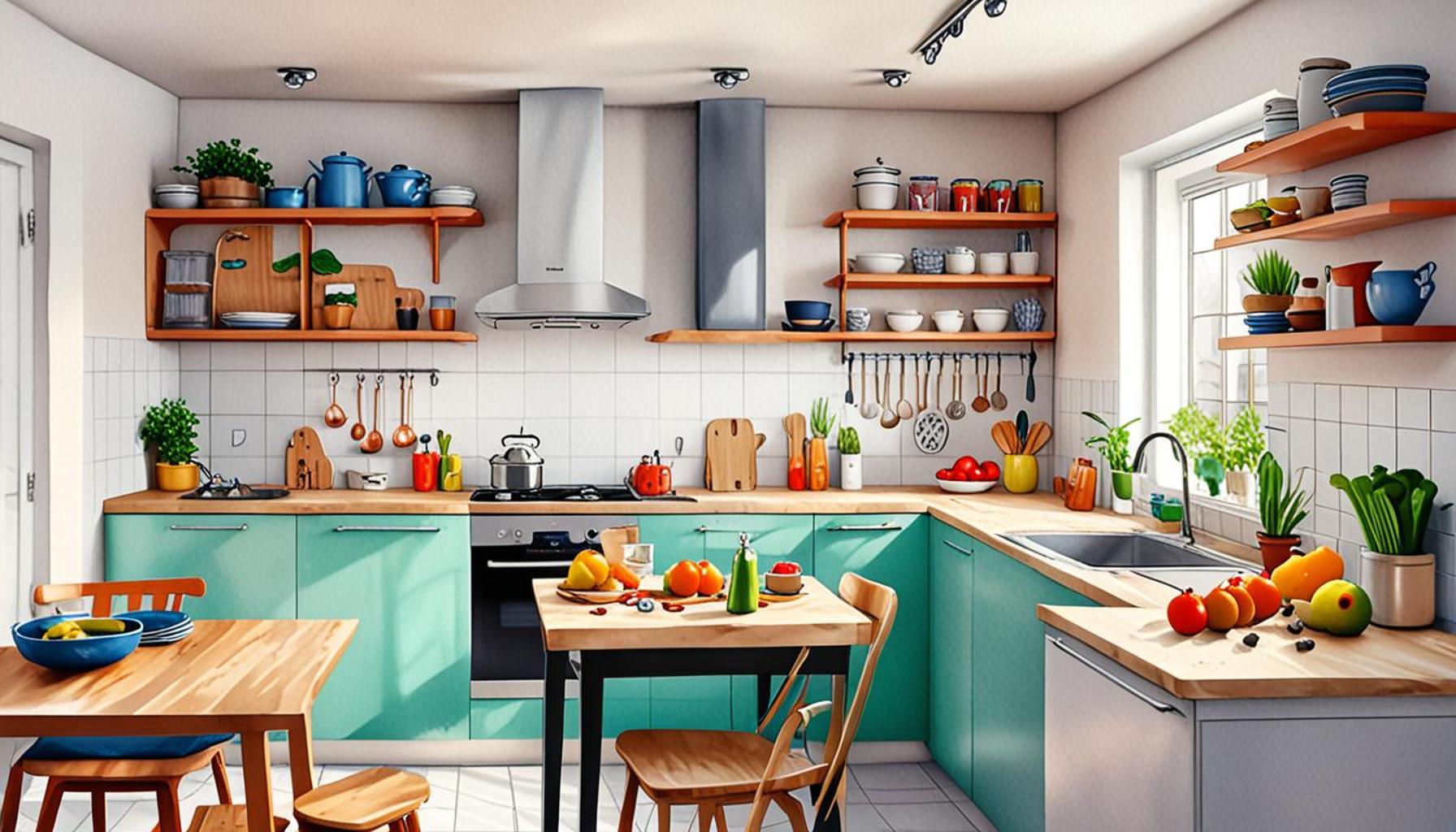
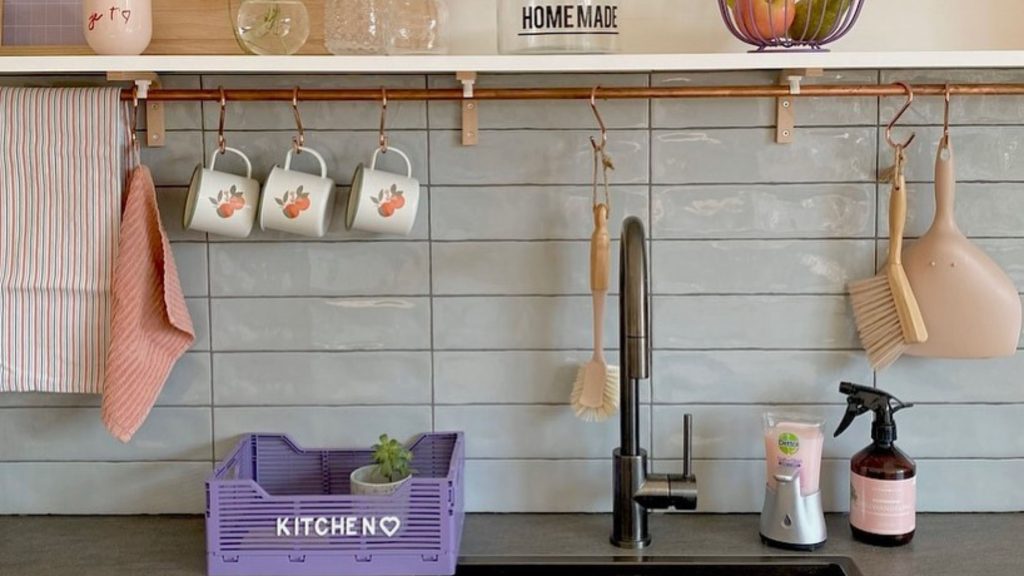
- Utilize Vertical Space: Maximize storage by installing shelves or hanging racks. Vertical storage solutions can free up precious counter space while showcasing your favorite cookware or pantry items in a visually appealing manner.
By implementing these tips, you can create a harmonious and functional kitchen space that reflects your lifestyle. With more Americans living in urban areas, where kitchens tend to be compact, maximizing efficiency is becoming increasingly important. Embrace the minimalist ethos: say goodbye to chaos and welcome a simple, organized lifestyle that enhances your cooking journey.
A well-organized kitchen can transform not only your cooking routine but also your overall wellbeing. As you simplify your space, you might discover newfound joy in the kitchen, making it the heart of your home once again.
DISCOVER MORE: Click here to learn how simple design boosts your productivity
Implementing Minimalism: Practical Steps for a Streamlined Kitchen
Creating a minimalist kitchen is not just about aesthetics; it’s a powerful way to enhance functionality and make your cooking experience more enjoyable. To achieve this, you can adopt several strategies that will maximize organization while embracing the simplicity of your cooking space.
One of the foundational steps in minimalism is understanding the difference between necessary items and mere clutter. Consider these important strategies that can guide you toward a more organized kitchen:
- Assess Your Inventory: Before you can make improvements, take a complete inventory of your kitchen items. Categorize them into three groups: frequently used, occasionally used, and rarely used. This exercise helps in identifying which items truly deserve a spot in your space. Donate or discard things that fall into the last category to clear out unnecessary clutter.
- Maximize Drawer Space: Drawers often become black holes for mismatched utensils and forgotten gadgets. Invest in drawer organizers to keep things neat and accessible. Dividers can help separate cooking utensils from tools like peelers and graters, allowing you to find what you need at a glance. Utilizing deep drawers for pots and pans keeps them easily accessible without obstructing your workspace.
- Smart Appliance Choices: Evaluate your kitchen appliances. While devices like a stand mixer or food processor can be invaluable, they can take up precious counter space. Opt for multifunctional appliances that can perform multiple tasks. For example, a blender that also steams vegetables can replace both a steamer and a blender, thus maximizing both functionality and space.
- Embrace Open Shelving: If you’re willing to break away from traditional cabinetry, consider incorporating open shelving. This not only provides an aesthetically pleasing display of your essential items but also promotes visibility, helping you locate what you need promptly. However, keep it simple; limit the items on display to encourage a clean and minimalist look.
By implementing these strategies, you can significantly enhance the functionality of your kitchen. The benefits of a well-organized space extend beyond just aesthetics—they can actually elevate your culinary creativity. Remember, a minimalist kitchen is a reflection of your cooking style and lifestyle. It encourages you to be more intentional about the items you keep and the meals you prepare.
As you begin to create your minimalist kitchen, take inspiration from the idea that less is more. This constructive approach will not only allow for better organization but also help you develop a deeper appreciation for the art of cooking. In a world where many kitchens serve as a chaotic backdrop to our daily lives, carving out a serene cooking haven can truly transform the culinary experience.
| Category | Details |
|---|---|
| Space-saving solutions | Incorporate vertical shelves and hanging racks to utilize wall space. |
| Decluttering | Remove unused kitchen tools and appliances for a streamlined aesthetic. |
| Multi-functional furniture | Opt for kitchen islands that offer additional storage and workspace. |
| Organization systems | Use clear containers and labels for easy access and visibility of ingredients. |
Adopting a minimalist approach in your kitchen not only enhances aesthetics but significantly improves functionality. Imagine transforming the cramped corners of your kitchen by employing innovative space-saving solutions such as vertical shelves or magnetic spice racks. Each inch of space becomes an opportunity for organization, making your cooking experience more enjoyable.Decluttering plays a pivotal role; by removing unnecessary items, you refine your kitchen’s functionality. Emphasizing the use of multi-functional furniture, like kitchen islands that store tools while providing extra workspace, can revolutionize how you interact with your culinary area. Furthermore, implementing organization systems utilizing transparent containers makes ingredients easy to reach and visually appealing, amplifying efficiency and simplicity in your kitchen. By exploring these methods, you’re not merely organizing; you’re creating a harmonious and inviting kitchen space that reflects the principles of minimalism while accommodating your needs. As you delve deeper into these strategies, consider how each practical tip elevates your cooking environment, making it a reflection of both beauty and function.
DIVE DEEPER: Click here to enhance your personal organization strategies
Streamlining Your Kitchen Workflow: Intelligent Design Choices
Beyond simply decluttering your kitchen, embracing minimalism means rethinking the design and layout to create a more efficient workflow. The way you organize not only enhances aesthetics but profoundly improves functionality. Here are some intelligent design choices to consider:
- Work Zones: Create defined work zones in your kitchen to streamline cooking processes. For instance, set up a prep zone with essential utensils, cutting boards, and knives near the fridge and sink, and a cooking zone with pots and pans situated near the stove. This strategic organization helps you minimize movement and maximize efficiency while preparing meals.
- Vertical Storage Solutions: Utilizing your vertical space can drastically free up clutter from surfaces. Install wall-mounted pegboards for hanging utensils or magnetic strips for knives. Additionally, tall shelves can house bulky items like cookbooks or appliances, keeping them out of your immediate workspace yet within easy reach.
- In-Cabinet Organizers: Don’t forget the potential that lies behind closed doors! Incorporate in-cabinet organizers such as pull-out shelves, lazy Susans, or tiered racks to ensure that every inch of space is utilized. This not only keeps smaller items organized but also prevents them from getting lost among larger products.
- Clear Containers: Use clear storage containers for pantry items to keep your foods visible and easily accessible. This system allows you to quickly assess what you have on hand, minimizing the chance of buying duplicates and reducing food waste—one of the key tenets of a minimalist lifestyle. Label containers to ensure everything has a designated spot, and you’ll combine clarity with function.
Sustainable practices also align beautifully with the minimalism philosophy, promoting an eco-friendly approach without sacrificing aesthetics. Choose durable and reusable items such as stainless steel or glass containers instead of plastic. Not only does this reduce clutter, but it also contributes to a healthier kitchen environment.
Another key aspect of a minimalist kitchen is the color palette. Embrace neutrality; colors such as white, grey, or pastels create an illusion of spaciousness. They also provide a calming effect, which is essential when you’re juggling meal prep and family activities. Accessories in harmonious shades also help to reduce visual clutter, allowing key features—like a striking knife block or a handcrafted cutting board—to shine without overwhelming the senses.
Additionally, consider utilizing multipurpose furniture in small kitchens. A kitchen island can serve as a prep station, dining table, and storage unit all at once. Some designs come equipped with built-in drawers and cabinets that cleverly conceal kitchen tools while keeping them accessible. Choose furnishings that blend effortlessly into your style, aiming for a cohesive appearance that speaks to serenity and purpose.
Ultimately, when you design a kitchen that promotes minimalism and simplicity, you foster a nurturing space for culinary endeavors. Think of your kitchen not just as a place to cook but as a vital part of your home life. By incorporating functionality, sustainability, and intelligent design, you’ll cultivate a harmonious environment that inspires creativity and elevates your everyday cooking experience.
DIVE DEEPER: Click here to discover the psychological benefits of decluttering
Embracing a Minimalist Kitchen for a Life of Ease
As we wrap up our exploration of minimalism in the kitchen, it’s clear that a well-structured, clutter-free space not only enhances functionality but also promotes a serene environment. By implementing strategic design choices—such as defining work zones, utilizing vertical storage, and opting for clear containers—you create a setting that supports culinary creativity while maximizing every inch of your small kitchen.
Minimalism offers more than just physical space; it invites a mindset shift towards simplicity and sustainability. By incorporating durable, eco-friendly materials and light color palettes, you can cultivate an inviting atmosphere that is both practical and aesthetically pleasing. The integration of multipurpose furniture further allows you to adapt your space intuitively, ensuring that it serves multiple functions without compromising on style.
The essence of a minimalist kitchen lies in carefully selecting what you include and how you organize it. Embrace the idea that less is more—letting go of unnecessary items not only declutters your space but also reduces stress during meal preparation. In a world filled with distractions, your kitchen should symbolize a return to simplicity and focus.
As you embark on this journey towards a more streamlined kitchen, remember that the goal is to create a personal sanctuary that reflects your lifestyle. A minimalist kitchen is not merely a trend but a pathway to a more fulfilling culinary experience. Explore the possibilities and discover how a minimalist approach can profoundly enhance your daily routine and cultivate a joyful cooking environment.