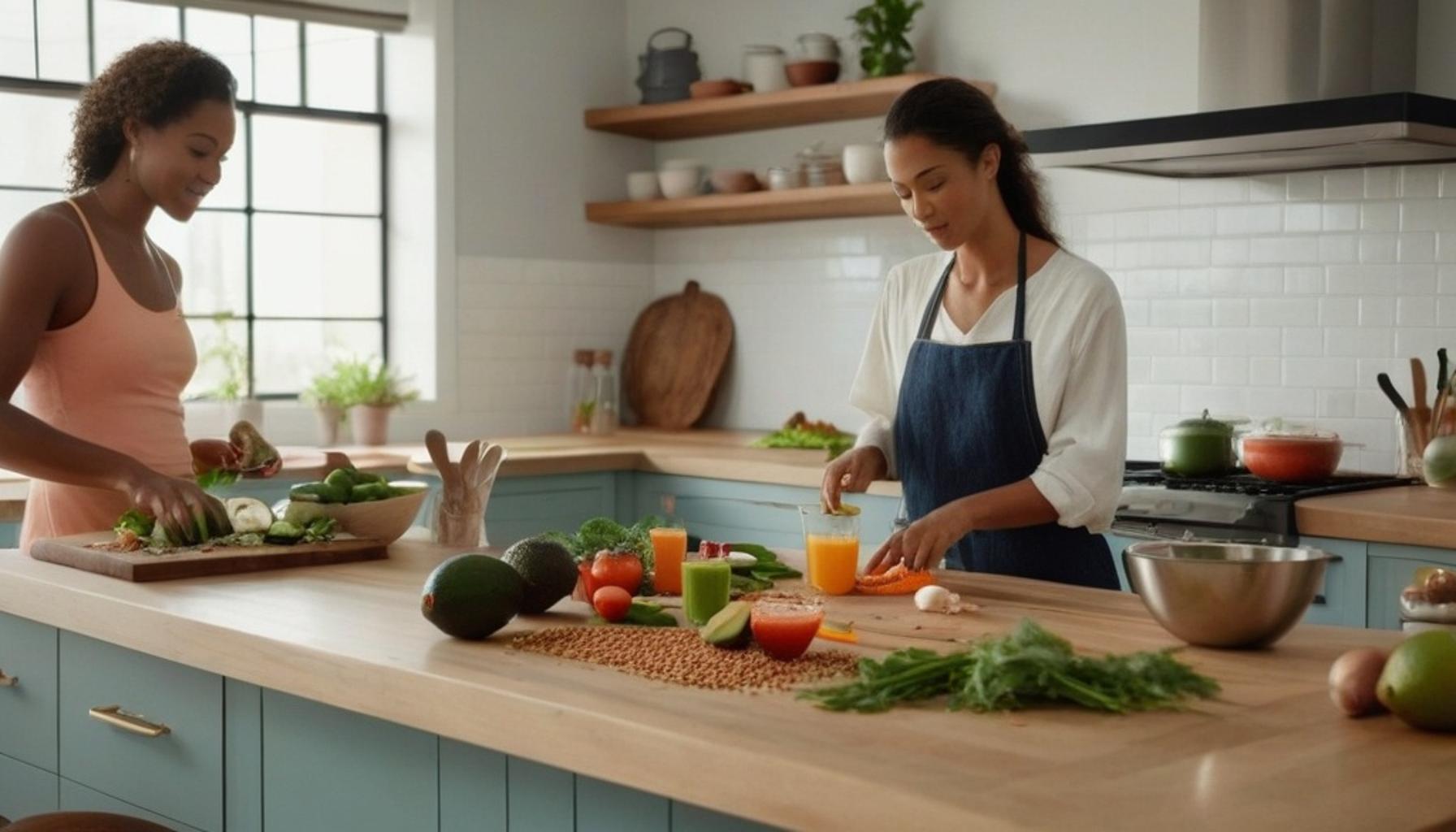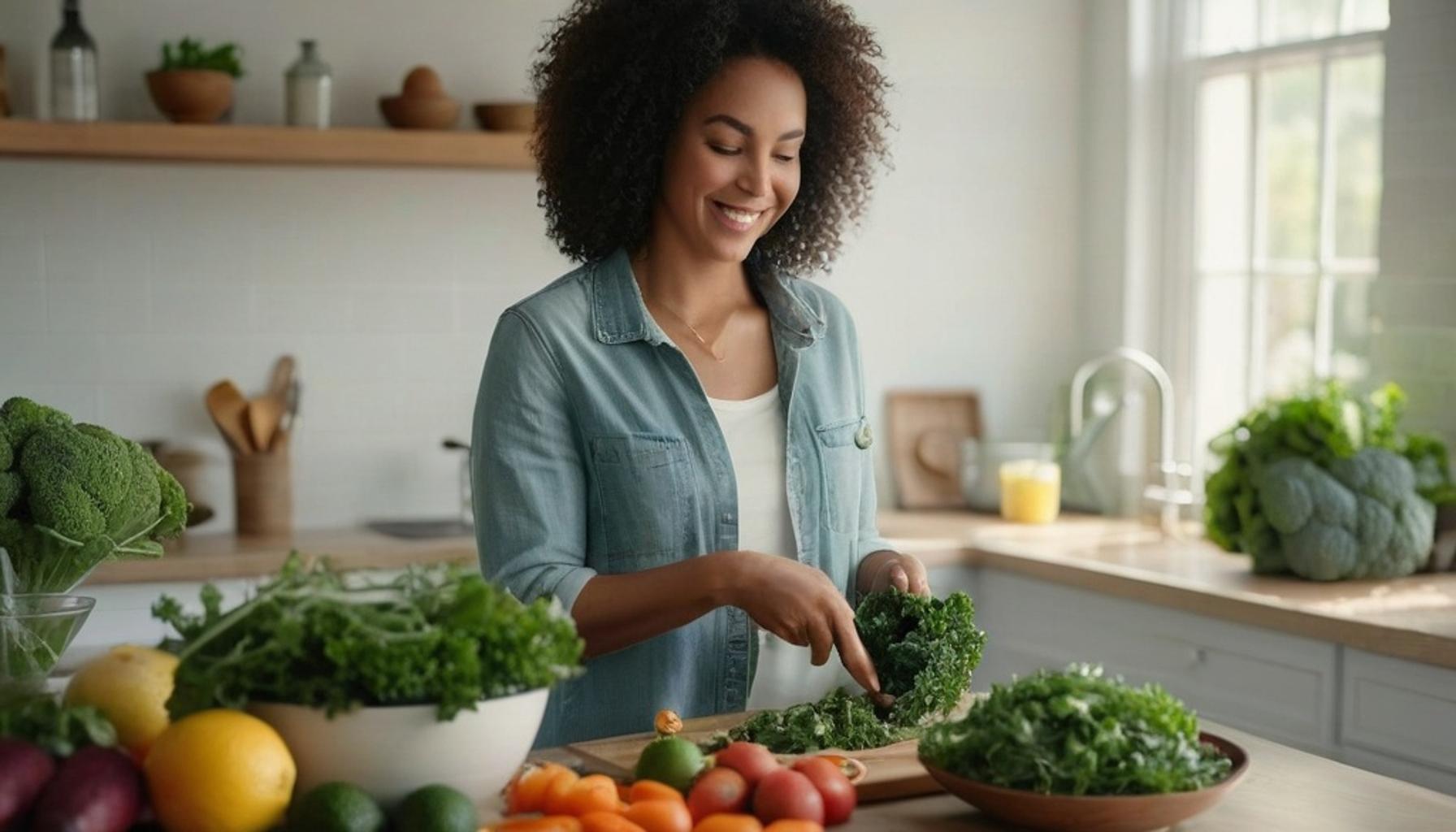
Meal Prepping: A Smart Strategy for Maintaining Balanced Nutrition

Why Meal Prepping Is Changing the Way Americans Eat
Picture this: it’s Wednesday evening, you’re exhausted, and the drive-thru line looks tempting. Sound familiar?
Meal prepping has emerged as a practical solution for busy households across the United States trying to eat healthier without the daily scramble.
According to a 2023 survey by the International Food Information Council, nearly 60% of Americans say convenience directly influences their food choices. That’s exactly where strategic meal planning steps in.
What Makes This Approach So Effective?
Meal prepping isn’t just about cooking in bulk. It’s a structured system for achieving balanced nutrition while saving time, money, and mental energy.
Consider what a well-organized weekly routine can offer:
- Portion-controlled meals that support consistent calorie intake
- Reduced reliance on fast food and processed snacks
- Lower grocery bills through smarter, bulk purchasing
- More free time during hectic weekdays
These aren’t just theoretical perks. Registered dietitians increasingly recommend healthy meal planning as a foundational habit for long-term wellness.
The Numbers Behind the Trend
Grocery chains and meal-kit companies have taken notice. Data from market research firm Packaged Facts shows the U.S. meal-kit and prep-service industry surpassed $8 billion in annual revenue, with steady growth projected through 2027. That’s not a coincidence—it reflects a broader shift in how American families approach dinner.
Social media has amplified the movement too. Platforms like TikTok and Instagram are flooded with #MealPrepSunday content, racking up billions of views. Home cooks share color-coded containers filled with grilled chicken, roasted vegetables, and quinoa, turning meal prep into both a lifestyle and a visual trend that inspires newcomers to try it themselves.
Beyond the aesthetics, there’s real substance. A study published in the International Journal of Behavioral Nutrition and Physical Activity found that individuals who regularly planned meals had higher diet quality scores and greater dietary variety compared to those who didn’t. In other words, prepping isn’t just trendy—it’s backed by measurable outcomes.
What This Article Covers
This guide breaks down practical meal prep tips that fit real, busy lifestyles—not just idealized ones.
You’ll discover simple meal prep recipes, storage strategies, and the science-backed benefits of meal prepping that go beyond convenience.
Whether you’re a college student juggling classes and part-time work, a parent managing a full house, or someone simply tired of last-minute takeout decisions, there’s a meal prep approach that can realistically fit into your week.
Ready to transform your kitchen routine? Let’s dig into the details.
LEARN MORE: The Role of Hydration in Nutrition and Its Impact on Overall Well-Being
# Building the Foundation: How Balanced Nutrition Starts With a Plan
The Building Blocks of Balanced Nutrition Through Meal Prepping
Walk into any American kitchen on a Sunday afternoon, and you might catch a glimpse of the future: rows of glass containers, sliced vegetables, and grilled proteins lined up like an assembly line. This isn’t just meal prepping for aesthetics—it’s a deliberate strategy rooted in nutritional science.
At its core, balanced nutrition means consistently getting the right mix of macronutrients and micronutrients your body needs. The challenge? Most people don’t fail at eating healthy because they lack knowledge. They fail because life gets in the way.
Why Willpower Alone Doesn’t Work
Nutrition experts often point to something called “decision fatigue.” By 6 p.m., after a full day of work, decisions about kids’ homework, and rush-hour traffic, your brain simply doesn’t have the bandwidth to cook a nutritious dinner from scratch.
This is precisely where healthy meal planning earns its reputation as a game-changer. When the thinking happens in advance—on a calmer Saturday morning, for instance—the evening execution becomes almost automatic.
Consider the difference between these two scenarios:
- Scenario A: Arriving home hungry with no plan, defaulting to delivery apps
- Scenario B: Opening the fridge to find a pre-portioned container of brown rice, grilled salmon, and steamed broccoli, ready in three minutes
The second scenario isn’t hypothetical. It’s the daily reality for millions of Americans who’ve adopted meal prepping as a weekly ritual. What started as a niche fitness trend a decade ago has since evolved into a mainstream household practice, spanning busy parents in suburban Ohio to young professionals navigating studio apartments in Brooklyn.
Nutritional Consistency: The Hidden Advantage
Beyond convenience, there’s a deeper nutritional benefit that often gets overlooked: consistency. When you prepare meals in advance, you control exactly what goes into each dish—sodium levels, added sugars, portion sizes, and ingredient quality.
The Centers for Disease Control and Prevention (CDC) reports that 90% of Americans consume more sodium than recommended, largely due to processed and restaurant foods. Prepping meals at home directly addresses this issue by putting the salt shaker—quite literally—back in your hands.
This level of control is difficult to replicate when relying on takeout or last-minute convenience store runs. It’s one of the most practical benefits of meal prepping that dietitians consistently emphasize during nutritional counseling sessions.
The Economics Behind the Containers
There’s also a financial angle that rarely gets the spotlight it deserves. The average American spends over $3,000 annually on takeout and food delivery, according to various consumer spending surveys. Meal prepping, by contrast, allows shoppers to buy in bulk, take advantage of sales, and minimize food waste—all while eating meals that align with dietary goals.
Grocery stores across the country have taken notice, too. Many now offer “meal prep sections” stocked with pre-cut vegetables, marinated proteins, and portion-controlled containers, making the transition into this lifestyle less intimidating for beginners.
Where Science Meets Sunday Routine
Registered dietitians frequently note that the psychological benefit of meal prepping is just as significant as the nutritional one. Knowing exactly what’s for dinner reduces daily stress, eliminates impulsive food choices, and creates a sense of control in an otherwise chaotic schedule.
For anyone considering the shift from spontaneous eating to structured planning, the data suggests one clear takeaway: the effort invested during a quiet weekend hour pays dividends throughout a hectic week, one perfectly portioned container at a time.
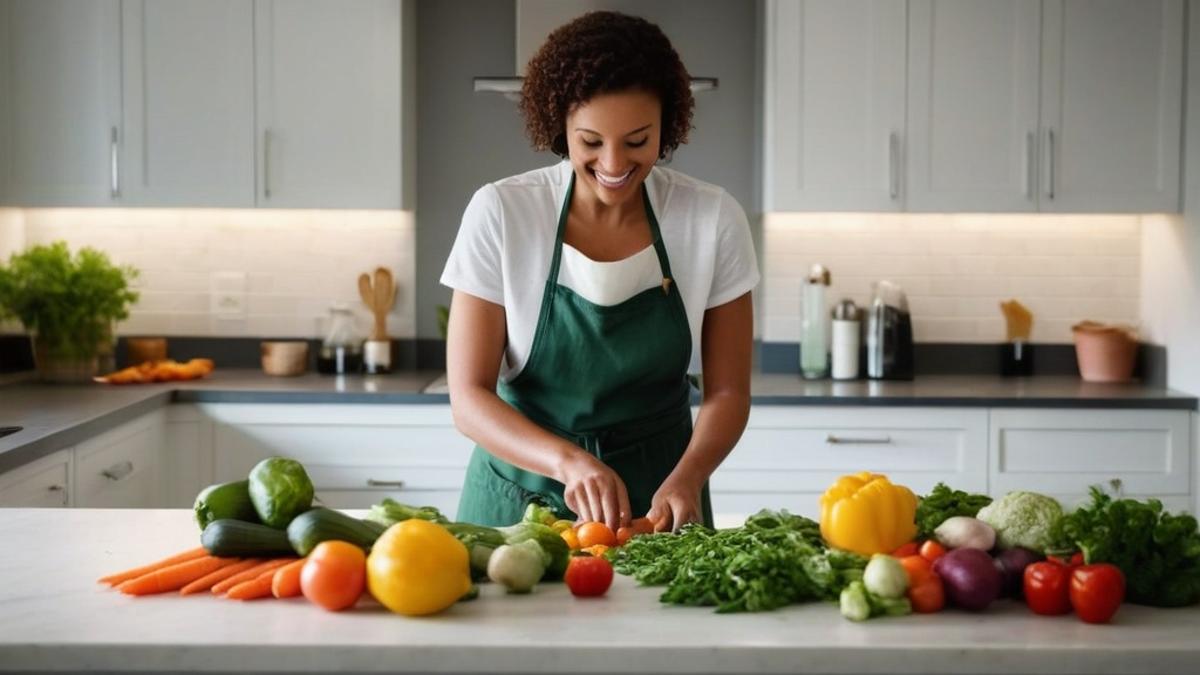
Key Aspects of Meal Prepping for Balanced Nutrition
Understanding the core elements of meal prepping helps turn a simple habit into a powerful tool for balanced nutrition. The table below breaks down essential meal prep tips and their direct impact on healthy eating, offering a quick reference before diving deeper into meal prep recipes and strategies.
| Meal Prep Aspect | Nutritional Benefit |
|---|---|
| Batch Cooking | Saves time while ensuring balanced nutrition across the week |
| Portion Control | Prevents overeating and supports calorie management |
| Ingredient Variety | Boosts nutrient diversity, avoiding deficiencies |
| Proper Storage | Preserves freshness and reduces food waste |
| Weekly Planning | One of the top meal prep tips for consistent healthy meal planning |
SEE ALSO: Mindful Eating: Strategies to Enhance Your Relationship with Food
From Theory to Table: Practical Strategies That Make Meal Prepping Stick
Understanding why meal prepping works is one thing. Actually doing it, week after week, is another challenge entirely. Nutritionists across the country agree that the difference between success and abandoned Tupperware often comes down to strategy, not motivation.
The Three Methods Nutrition Experts Recommend
Not all meal prepping looks the same. Depending on lifestyle and schedule, experts typically point to three distinct approaches:
- Batch cooking: Preparing large quantities of a single dish—like turkey chili or quinoa salad—that gets portioned into containers for the week
- Component prepping: Cooking individual elements separately (proteins, grains, vegetables) and mixing them differently each day to avoid flavor fatigue
- Ready-to-eat prepping: Assembling complete meals in advance, ideal for those with unpredictable schedules who need to grab and go
Component prepping, in particular, has gained traction among registered dietitians because it directly supports balanced nutrition without sacrificing variety. A Tuesday bowl of chicken, brown rice, and roasted peppers can easily become a Thursday wrap with the same base ingredients.
Simple Meal Prep Recipes That Deliver Results
You don’t need culinary school training to start. Some of the most popular meal prep recipes circulating on nutrition blogs and social media rely on just a handful of ingredients:
- Sheet-pan chicken thighs with sweet potatoes and Brussels sprouts
- Overnight oats with chia seeds, berries, and almond butter
- Mason jar salads layered with chickpeas, cucumber, and feta
- Turkey and black bean stuffed peppers, frozen individually
These dishes share a common trait: they hold up well in the refrigerator for three to five days without losing texture or flavor, a detail food scientists say is critical for long-term adherence.
Timing and Storage: The Details That Matter
According to food safety guidelines from the U.S. Department of Agriculture, prepped meals should generally be consumed within four days when refrigerated properly at or below 40°F. Freezing extends that window significantly, often up to three months for most cooked proteins and grains.
Investing in quality glass containers, rather than flimsy plastic alternatives, has also become a common recommendation among meal prep tips shared by professional chefs. Glass doesn’t absorb odors, reheats evenly in the microwave, and avoids the chemical leaching concerns associated with certain plastics.
Adapting Meal Prep to Real-Life Schedules
Not everyone has three free hours on a Sunday. Recognizing this, many meal preppers have shifted toward shorter, more frequent sessions—perhaps thirty minutes on Sunday and another twenty on Wednesday—rather than one exhausting marathon.
Working parents in cities like Chicago and Dallas have reported particular success with this split-session approach, citing reduced burnout and fresher-tasting meals midweek. It’s a small adjustment, but one that keeps the entire system sustainable rather than something abandoned after a single busy month.
YOU MAY ALSO LIKE: Incorporating Superfoods into Your Daily Diet for Enhanced Well-being
The Bottom Line on Building a Sustainable Habit
Across kitchens in Seattle, Atlanta, and everywhere in between, the same pattern emerges: meal prepping succeeds not because of willpower, but because of systems. The methods, recipes, and storage details covered throughout this article all point toward one conclusion—preparation removes decision fatigue, and removing decision fatigue protects balanced nutrition from the chaos of daily life.
What separates a thriving meal prepper from someone who quits by February isn’t access to fancy equipment or unlimited time. It’s a willingness to experiment with formats—batch cooking one week, component prepping the next—until something fits naturally into an existing routine.
Why This Habit Outlasts Trends
Diet trends come and go, but the core benefits of meal prepping remain remarkably consistent. Portion control, reduced food waste, and fewer impulsive takeout orders aren’t fads; they’re measurable outcomes backed by USDA storage guidelines and everyday household budgets.
Consider that the average American family spends over $3,000 annually on food delivery and takeout, according to national spending surveys. Redirecting even half of that toward planned grocery trips and prepped meals represents both a financial and nutritional upgrade.
Where to Go From Here
For anyone still hesitant, the advice from registered dietitians is consistent: start small. Prep three lunches instead of fourteen meals. Try one new recipe from a trusted healthy meal planning resource before overhauling an entire pantry.
- Choose one method—batch, component, or ready-to-eat—and commit to it for two weeks
- Track how many takeout orders it eliminates
- Adjust container sizes and recipes based on what actually gets eaten
Meal prepping isn’t about perfection or Instagram-worthy containers lined up in a fridge. It’s a practical, adaptable strategy—one that rewards consistency over intensity, and one that, week by week, quietly reshapes how a household eats.
Frequently Asked Questions
How much time should I set aside each week for meal prepping?
Most people find that 2 to 3 hours once a week is enough to prep meals for 4 to 5 days. You can split this into a shopping trip and a dedicated cooking session, such as Sunday afternoons. Starting with simple recipes will help you shorten this time as you get more efficient.
What are the best containers to use for meal prepping to keep food fresh and balanced?
Glass containers with airtight lids are ideal because they keep food fresh longer and are safe for reheating in the microwave or oven. Look for divided containers to naturally portion proteins, carbs, and vegetables for balanced meals. BPA-free plastic containers are a lighter, more budget-friendly alternative if glass isn’t an option.
How long can meal-prepped food safely stay in the refrigerator?
Most cooked meals stay fresh and safe to eat for 3 to 4 days when stored properly in the refrigerator at or below 40°F. For meals you want to keep longer, freezing is a better option and can extend shelf life to 2 to 3 months. Always label containers with the date prepared to track freshness accurately.
How can meal prepping help me eat a more balanced diet?
Meal prepping lets you plan portions and ingredients in advance, making it easier to include the right balance of protein, vegetables, whole grains, and healthy fats in every meal. This reduces the temptation to grab fast food or processed snacks when you’re short on time or hungry. Having balanced meals ready to go also helps you control calorie intake and avoid overeating.

Linda Carter
Linda Carter is a writer specializing in healthy habits and balanced living. With extensive experience helping readers build sustainable routines, she shares practical guidance on nutrition, physical activity, quality sleep, stress management, and emotional well-being. Her goal is to offer simple, accessible strategies that inspire people to care for their health and enjoy a more balanced life.