Maximizing Small Spaces Minimalist Optimization Strategies
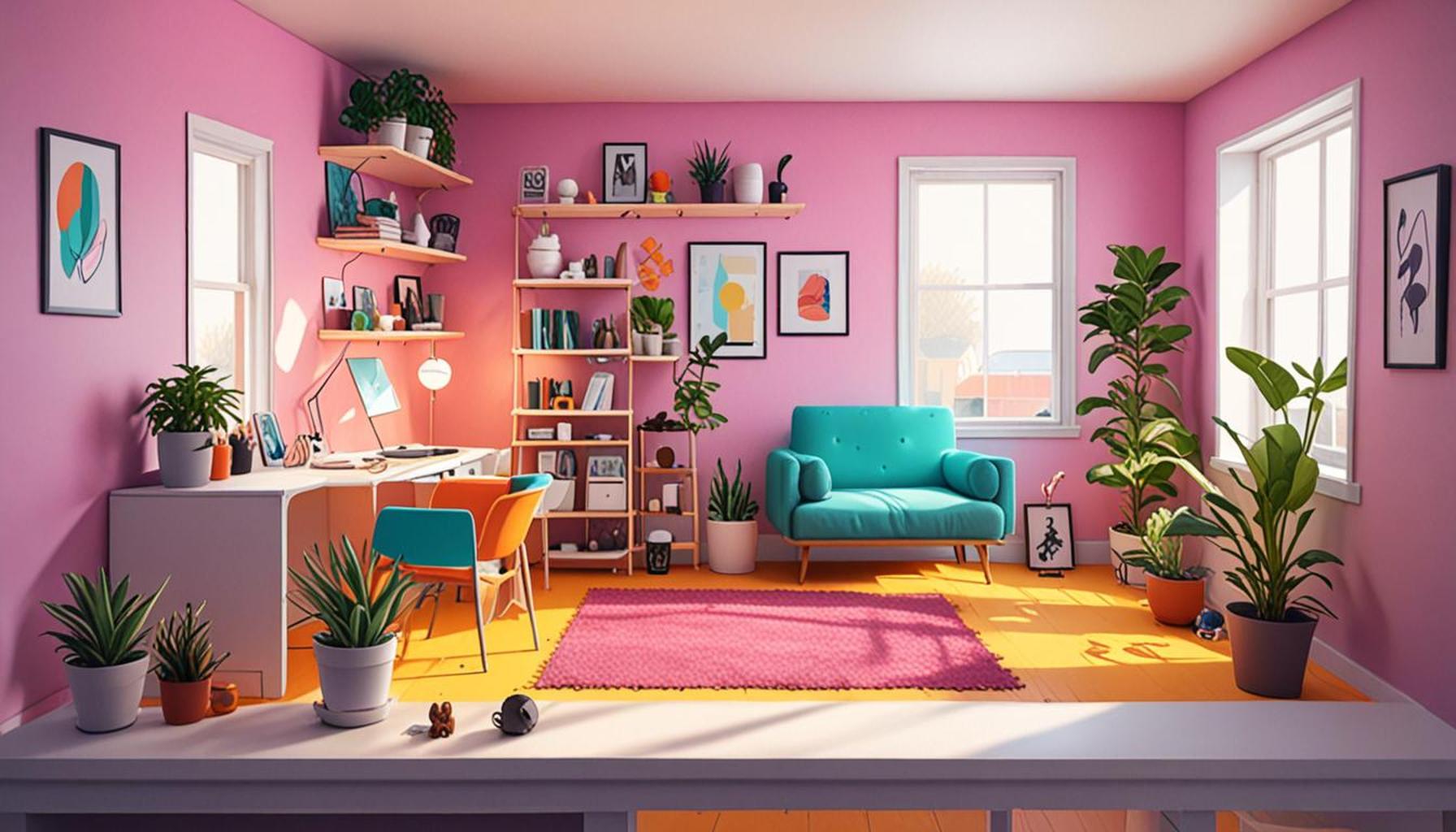
In today’s fast-paced world, the demand for minimalist living has soared as individuals seek both efficiency and simplicity in their homes. Many people find themselves occupying smaller living spaces, raising the question of how to best utilize every square inch without sacrificing style or functionality. By implementing effective organization strategies, it is possible to create a harmonious environment that promotes tranquility and productivity.
Understanding the principles of minimalist design is essential for anyone looking to optimize small spaces. Maximizing functionality while minimizing clutter can transform a cramped area into a serene sanctuary. This approach not only enhances the aesthetic appeal of your home but also promotes a more intentional way of living.
In this article, we will explore the Top 5 strategies for maximizing small spaces, providing insightful tips and innovative ideas that will inspire you to rethink your home organization. From clever storage solutions to multifunctional furniture, discover how simple changes can lead to significant improvements in your living environment.
Maximizing Small Spaces: Strategies for Optimizing Minimalist Environments
In today’s rapidly urbanizing world, where real estate is a premium commodity, the challenge of living in limited spaces is becoming increasingly prevalent. Many individuals are gravitating towards minimalism, a lifestyle choice that emphasizes simplicity and functionality over clutter. The essence of minimalism is to do more with less, which naturally aligns with the efficient use of small spaces. Embarking on this transformative journey requires planning, creativity, and a few strategic interior design choices. Let us delve deeper into the Top 5 strategies for maximizing small spaces tailored for a minimalist lifestyle, exploring practical tips, inspiring ideas, and innovative concepts that seamlessly fuse efficiency with elegance.
5. Vertical Solutions
One of the most transformative approaches to small space optimization involves harnessing the often-overlooked power of vertical solutions. By shifting focus upwards, you can unlock a vast realm of storage and design possibilities that not only save floor space but also introduce an element of height and sophistication to your environs.
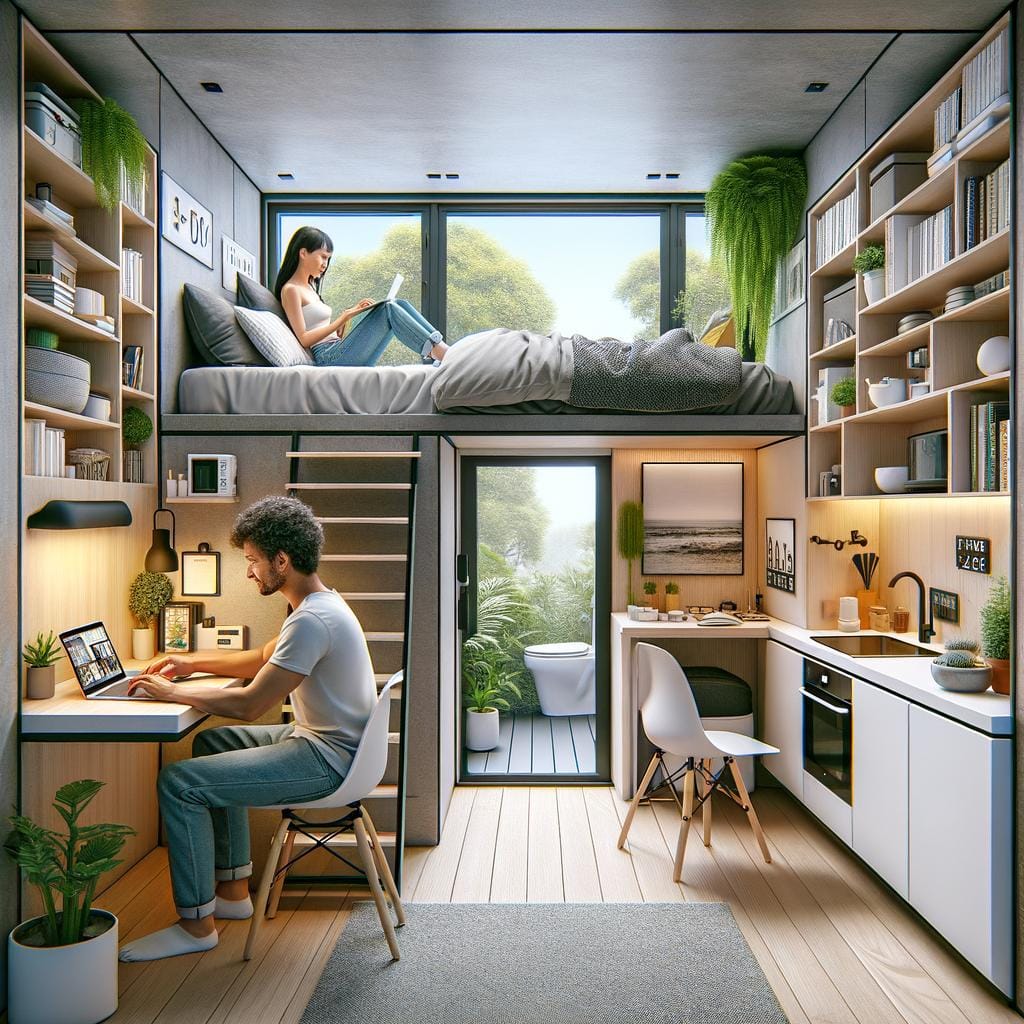
- Shelves: Install sleek floor-to-ceiling shelves to store books, display collectibles, or house plants. This vertical oasis not only maximizes storage but also elevates the aesthetic and creates a focal point in the room.
- Hooks and Pegboards: These functional elements are perfect for hanging kitchen utensils, keyrings, or accessories. By using wall space for practical storage, you keep countertops clean and organize essentials efficiently.
- Tall Furniture: Choose cabinets and wardrobes with extended height. Not only do these pieces command attention, but they offer added storage without monopolizing precious floor area.
Incorporating vertical solutions reflects the minimalist ethos—creating rooms that are clutter-free yet captivating. This transformative technique encourages you to explore spatial potential, balancing elevation with elegance.
4. Multi-Functional Furniture
In compact living spaces, each piece of furniture must earn its keep. The advent of multi-functional furniture has revolutionized how homes manage limited square footage without sacrificing style or comfort. These ingenious pieces adapt to various needs, promoting a streamlined lifestyle.
- Sofa Beds: Turn your living area into a guest-friendly zone. Sofa beds serve dual purposes—providing a cozy sitting area by day and transforming into a comfortable sleeping haven by night.
- Storage Ottomans: A perfect blend of seating and storage, these versatile additions offer a discreet place to store linens, books, or games while enhancing seating arrangements.
- Expandable Tables: These dynamic tables can extend for larger gatherings and contract for daily use, providing a practical solution for dining, working, or hosting without overwhelming the room.
Opting for multi-functional furniture leads to a simplified and organized living space, aligning seamlessly with minimalist principles by reducing clutter and enhancing utility.
3. Decluttering Regularly
The heart of minimalism lies in the practice of regular decluttering, a crucial habit for those seeking to capitalize on limited space. It involves a mindful reassessment of one’s possessions, discarding what is superfluous while retaining what truly matters.
- One In, One Out Rule: For each new item introduced into the home, an existing one must be removed. This ensures that clutter remains at bay and balances the space harmoniously.
- Seasonal Decluttering: Conduct audits every season to evaluate possessions, ensuring that only the most useful items are kept, and outdated ones are discarded responsibly.
- Sentimental Items: Digitize mementos by photographing or scanning them, preserving memories without occupying physical space.
Regular decluttering cultivates an environment that exudes serenity and purpose, maximizing available space and aligning with the spirit of minimalism.
2. Zoning and Layout Optimization
Effective utilization of small spaces involves intelligent zoning and layout optimization. Creating distinct areas tailored for specific activities enhances the functional harmony of a home.
- Open Layouts: An open floor plan fosters a sense of spaciousness and unity, making shared areas appear more inviting.
- Area Rugs: Define different zones with strategically placed rugs—distinguishing between a cozy reading nook and a productive workspace, adding both aesthetic and functional value.
- Furniture Arrangement: Arrange furniture to encourage movement and interaction. Align key pieces to delineate areas naturally while avoiding barriers that disrupt flow.
Zoning is a powerful technique that transforms a small dwelling into a space where functionality meets creativity, offering a welcoming and cohesive atmosphere.
1. Natural Light and Color Palettes
The pièce de résistance of small space living lies in the astute management of natural light and color palettes. Harnessing these elements can drastically alter the perception of size and ambiance within a home.
- Light Colors: Embrace gentle, neutral hues for walls and furnishings. These shades reflect light, creating the illusion of an expansive and airy environment.
- Mirrors: Strategically placed mirrors can double natural light’s impact, enhancing depth perception and making spaces feel more voluminous.
- Sheer Curtains: Allow streaks of sunlight to permeate while preserving privacy. Sheer curtains invite brightness, transforming dim corners and invigorating spaces.
With an emphasis on luminosity and subtle hues, these elements work in concert to rejuvenate small areas. An adept balance of light and color unlocks potential in even the most confined settings, exemplifying minimalist elegance and ingenuity.
| Category | Description |
|---|---|
| Space-saving Furniture | Innovative designs like foldable tables and modular sofas allow flexibility and create a dynamic living experience where furniture can adapt to different occasions. |
| Smart Storage Solutions | Utilizing under-bed storage, wall shelves, and multi-functional furniture enhances organization and keeps clutter at bay, ensuring every inch of a small space is maximized. |
| Effective Color Schemes | Light colors can visually expand a room and create a feeling of openness. Accent walls can define areas without overwhelming the space, making it pleasing to the eye. |
| Natural Light Utilization | Maximizing windows and opting for sheer curtains allows for an influx of natural light, which can greatly enhance the ambiance and functionality of minimalist environments. |
Frequently Asked Questions about Maximizing Small Spaces
What are some common strategies for optimizing small spaces in a minimalist way?
Common strategies for optimizing small spaces often involve the **use of multifunctional furniture**, such as sofa beds or expandable tables. It’s crucial to focus on **vertical space usage** with shelves or wall hooks. Incorporating mirrors can also create the illusion of more space, while maintaining a neutral color palette helps promote a sense of openness. Ultimately, the goal is to blend **functionality with aesthetics** to create a harmonious small space.
How can I choose furniture that fits well in small spaces?
When choosing furniture for small spaces, prioritize pieces that serve multiple purposes. **Hidden storage options** and furniture on legs can help make a room feel less cluttered. Measuring your space beforehand is essential to ensure pieces fit both physically and visually. Look for designs that are simple and sleek, avoiding bulky or ornate furniture that can overpower a compact area.
Is it possible to create a cozy atmosphere in a minimalist, small living area?
Absolutely. A minimalist style doesn’t preclude coziness. It’s about **simplicity, textures, and personal touches**. Use soft lighting, warm tones, and different materials like wood and textiles to add warmth. Personalize the space with minimal decor items that have sentimental value, while avoiding clutter which can disrupt the minimalist feel. Remember, minimalism is about making every piece count.
How can I effectively declutter my small space to make it feel larger?
Start by assessing what you truly use and need. Embrace the philosophy of **”less is more”**. Regularly review your belongings and be ruthless in eliminating non-essential items. Investing in smart storage solutions that keep surfaces clear can also help maintain a clean and spacious feeling. Implementing a routine for maintaining order is just as important as initial decluttering efforts.
What role do colors play in maximizing small spaces?
Colors can significantly influence how spacious a room feels. **Light colors** such as whites, creams, and pastels reflect more light, which helps a room feel open and airy. However, strategic use of darker tones can add depth and contrast, making the space feel larger and more dynamic. The key is finding the right balance to suit your disposition and the natural light available in the space.
Conclusion: Unlocking the Potential of Small Spaces
The journey through the art of optimizing small spaces in minimalist environments unveils a tapestry of innovative strategies and practical insights. In a world where space often comes at a premium, mastering the art of maximizing these environments is not just about aesthetics; it’s about creating harmony and enhancing functionality within one’s living space. Our exploration into this topic has underscored the importance of minimalism as a lifestyle choice that goes beyond mere decoration, impacting personal organization and mental clarity.
Key strategies discussed such as vertical storage solutions, multi-purpose furniture, and clever division of spaces play a pivotal role in transforming limited areas into expansive, flexible sanctuaries. By embracing creative storage ideas and thoughtful design choices, individuals can achieve a balance between necessity and serenity, reinforcing the core values of minimalism.
Moreover, the psychological benefits associated with minimalist living cannot be overstated. A decluttered, well-organized space not only supports a clearer mindset but also fosters a more peaceful, productive environment. As we navigate through increasingly urbanized settings, the proficiency in optimizing small spaces assumes greater significance, offering a beacon of simplicity in a complex world.
Ultimately, the strategies highlighted provide a roadmap for anyone seeking to harness the potential of their living spaces, urging a deeper investigation into minimalism as a holistic approach to both living and being. As we continue to engage with innovative design and personal organization techniques, these principles offer a timeless guide to creating more with less, inviting us to rethink how we cohabitate with our spaces. Embracing the ethos of minimalism not only maximizes physical space but expands the boundaries of how we define home and self.