How Space Optimization Contributes to a Minimalist Lifestyle in Small Apartments
The Rise of Minimalism in Urban Living
As urbanization continues to surge, particularly in cities across the United States, the need for efficient living spaces has never been more pronounced. Many individuals and families are finding themselves residing in small apartments, often measuring less than 500 square feet. This shift has sparked a growing trend towards minimalism, which is transforming the way we perceive and utilize our living environments.
At its core, minimalism is not merely about having fewer possessions; it is a lifestyle philosophy that emphasizes simplicity, functionality, and intentionality in one’s surroundings. It encourages people to evaluate their belongings and consider what truly adds value to their lives. This approach can lead to a sense of clarity and peace in an otherwise chaotic urban landscape.
Key Concepts of Space Optimization
To fully embrace minimalism in small living spaces, homeowners and renters alike can implement several effective strategies:
- Multi-functional furniture: Imagine a sofa that transforms into a bed, or a coffee table that doubles as a storage unit. By choosing furniture that serves more than one purpose, individuals can significantly reduce clutter while maximizing utility. Brands like IKEA and West Elm often feature versatile pieces that cater to this need.
- Vertical storage solutions: In a compact space, utilizing vertical height can be a game-changer. Installing shelves high above eye level allows for an organized display of books, plants, or decorative items without consuming precious floor space. For example, wall-mounted bookcases or hanging storage units can turn an ordinary wall into a functional and stylish element of the room.
- Decluttering rituals: A regular practice of assessing personal belongings ensures that only items that bring joy or function are kept. The Marie Kondo method, which encourages individuals to keep only what sparks joy, has gained immense popularity, providing a structured approach to tidying up.
These techniques do more than just enhance the aesthetic appeal of a living space; they contribute to a lifestyle change that prioritizes mindfulness and well-being. Research has shown that a clutter-free environment can lead to increased productivity and reduced stress levels. For many, adopting a minimalist lifestyle results in a greater sense of freedom, as the weight of excess belongings is lifted.
Ultimately, embracing a minimalist approach in urban living not only makes smaller spaces more livable but also fosters a deeper connection with one’s belongings. It encourages individuals to invest in quality over quantity, leading to sustainable choices that benefit both personal well-being and the environment. As the trend continues, it invites us all to reconsider our relationship with space, possessions, and the meaning of home.
DISCOVER MORE: Click here to transform your space
Maximizing Space: The Art of Minimalist Living
In the context of small apartments, space optimization emerges as a vital companion to a minimalist lifestyle. The challenge of making the most out of limited square footage requires thoughtful consideration of both layout and functionality. By strategically organizing and utilizing available space, individuals can create an environment that supports their minimalist philosophy while enhancing overall comfort.
Several essential techniques highlight the importance of space optimization in achieving a minimalist haven:
- Customizable Modular Solutions: One of the most exciting developments in contemporary interior design is the rise of modular furniture. These versatile items can be reconfigured to suit different needs—a couch can turn into a sectional, or shelves can be arranged in various formations. For instance, brands like Tansu offer modular systems that adapt to changing spaces, allowing residents to reimagine their apartments without the need for a complete redesign.
- Floating Furniture: Embracing a floating furniture concept can visually open up a room. By placing items like desks, chairs, or even television units off the floor through wall-mounting, residents can create an illusion of space while maintaining functionality. This design trick not only eases mobility but also simplifies the cleaning process, aligning seamlessly with minimalism’s demand for efficiency.
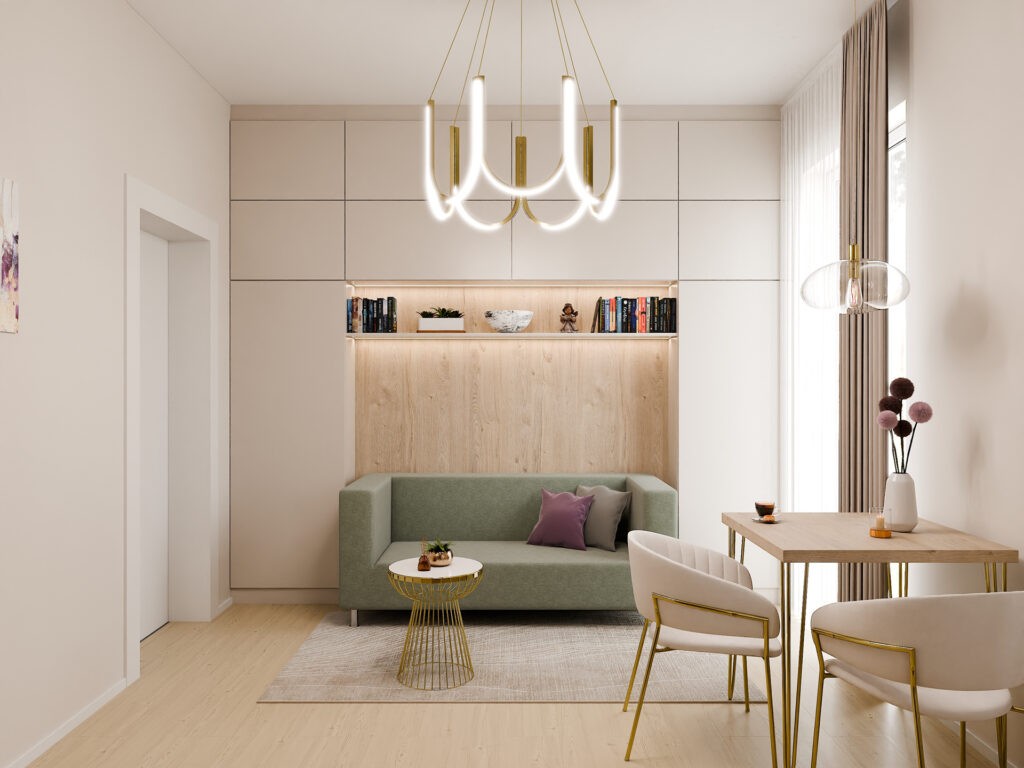
- Built-in Storage: Hidden storage solutions play a pivotal role in space optimization, especially in snug apartments. Utilizing under-bed areas for stashing seasonal clothing or incorporating built-in cabinets along walls can keep a space organized. This approach keeps everyday items accessible while ensuring that less frequently used belongings remain out of sight, marrying practical needs with minimalist ideals.
- Decluttering Digital Spaces: Minimalism transcends physical possessions. In the age of digital overload, purging digital files and applications can foster clearer mental spaces. A systematic approach—like setting aside time weekly to assess and delete unnecessary documents—can mirror the physical decluttering rituals that characterize a minimalist lifestyle.
Implementing these strategies in tandem not only smooths the pathway to a minimalist lifestyle but significantly enhances the sense of space and tranquility within small apartments. This holistic embrace of space optimization can transform even the smallest of living areas into serene and inviting environments. By asserting control over their surroundings, individuals can enjoy a deeper connection to their space and belongings, cultivating a lifestyle rooted in intention rather than mere habit.
As the concept of minimalism continues to gain traction, it challenges urban dwellers to reconsider their living spaces and the things they accumulate. Through the integration of space optimization techniques, small apartments become a canvas for creativity, functional design, and a reflection of personal values.
Understanding Space Optimization in Small Apartments
Space optimization is a fundamental concept for those pursuing a minimalist lifestyle, especially in small apartments where every square foot counts. By strategically utilizing available space, individuals can create environments that are not only functional but also visually appealing.
The Significance of Multi-functional Furniture
One of the essential aspects of space optimization is the incorporation of multi-functional furniture. Items such as sofa beds, extendable dining tables, and ottomans with storage can dramatically enhance the utility of a small space. This allows residents to adapt their living environment according to their needs without cluttering their homes with excess items.
Storage Solutions: Maximizing Vertical Space
Vertical storage solutions play a crucial role in creating a minimalist atmosphere. Utilizing wall-mounted shelves, tall cabinets, and hanging organizers can free up valuable floor space. This not only enhances organization but also contributes to a sense of openness, making small apartments feel larger and more inviting.
Decluttering as a Cornerstone
Decluttering is an integral component of optimizing space in small living areas. By regularly assessing belongings and removing items that are no longer needed, individuals can maintain a minimalist aesthetic. This practice not only simplifies one’s environment but also fosters a peaceful mindset, reinforcing the notion that less is indeed more.
| Category | Details |
|---|---|
| Multi-functional Furniture | Saves space and adapts to lifestyle needs. |
| Vertical Storage Solutions | Utilizes walls to maximize space and reduce clutter. |
| Decluttering | Promotes a peaceful mindset by removing excess items. |
Through these elements of space optimization, individuals can embrace a minimalist lifestyle without sacrificing comfort or functionality, proving that small living can indeed be both stylish and efficient.
DISCOVER MORE: Click here to streamline your daily routine
The Multifunctional Approach: Creating Versatility in Living Spaces
As small apartment dwellers strive to cultivate a minimalist lifestyle, the challenge of limited space can actually inspire innovative solutions, particularly through multifunctional design. Maximizing utility while minimizing clutter depends heavily on the imaginative use of designs that serve more than one purpose. The integration of these approaches can elevate the living experience in compact spaces significantly.
Consider the rising popularity of furniture with dual functionality. For instance, a sofa that converts into a bed is not just a space-saving solution; it also creates an inviting guest area without requiring a dedicated guest bedroom. Brands like Resource Furniture have taken this concept to new heights by offering transformative living solutions—murphy beds that fold away, transforming a living room into a sleeping area with seamless ease. Such versatility is crucial for those who wish to maintain a minimalist lifestyle, allowing them to adapt their spaces according to their needs without introducing unnecessary items.
Another key strategy is the use of vertical space. In small apartments, the walls often remain underutilized. By incorporating shelves and cabinetry that stretch upwards, residents can free up floor space. Wall-mounted shelves can display books, plants, or artistic decor, thereby enhancing both function and aesthetic appeal. A well-organized vertical display not only maximizes storage but creates visual interest, fostering a minimalist atmosphere that avoids the clutter of traditional furniture.
- Room Dividers: Instead of solid walls, consider using decorative room dividers or curtains to create distinct areas in an open floor plan. This allows for functional separation of spaces, such as a work area within a living room, without compromising on openness or flow. Such dividers maintain an airy feeling while still providing necessary structure, contributing to a minimalist aesthetic.
- Smart Home Technology: The integration of smart devices can simplify daily routines and minimize clutter. Automated lighting, temperature control, and even smart storage systems can eliminate excess cords, creating a streamlined environment. Furthermore, many smart devices blend seamlessly into modern designs, adding to the minimalist appeal instead of detracting from it.
- Multifunctional Appliances: Kitchen appliances that combine multiple functions, such as a microwave and air fryer combo, can significantly reduce the need for excessive equipment. This thoughtful selection of appliances reduces clutter in the kitchen—essential for maintaining an organized living space.
Engaging in strategic purchases further supports a minimalist lifestyle. Each addition to the apartment should serve a valid purpose; if an item does not contribute positively to the space, it may end up as clutter. This conscious approach not only aligns with the minimalist philosophy but also enhances the overall enjoyment of living in a small space. By carefully curating possessions and ensuring each item holds significance, residents can create a sanctuary of simplicity amidst the constraints of square footage.
Ultimately, the collaborative effect of these space optimization techniques works in harmony with minimalist ideals, enriching the living experience in small apartments. As individuals continue to explore innovative designs and principles, the connection between intentional living and thoughtful space utilization becomes increasingly pronounced, paving the way for a lifestyle that truly reflects personal values and aesthetics.
DIVE DEEPER: Click here to uncover more insights
Conclusion: Embracing Minimalism Through Smart Space Optimization
In the quest for a minimalist lifestyle, small apartment inhabitants have discovered that the principles of space optimization are not merely about reducing clutter; they are about embracing a purposeful and deliberate approach to living. By incorporating multifunctional furniture, utilizing vertical space, and integrating smart technology, residents can effectively transform constrained areas into harmonious environments that reflect their values.
As we’ve seen, the utilization of dual-purpose items not only enhances convenience but also limits the number of possessions that take up valuable space. Moreover, innovative design solutions such as vertical storage and room dividers pave the way for a more organized and visually pleasing interior, demonstrating that style and functionality can coexist within limited square footage.
Furthermore, the integration of smart devices and appliances simplifies daily tasks, cutting down on the visual and physical clutter that often muddles our living spaces. This strategy aligns beautifully with the minimalist ethos of intentional living, where every item serves a specific function or brings joy.
Ultimately, the marriage of space optimization techniques with a minimalist lifestyle invites apartment dwellers to reconsider the way they inhabit their spaces. It encourages a culture of mindfulness, urging individuals to value experiences and relationships over material possessions. As urban living continues to evolve, the principles discussed here offer a pathway for creating not just homes, but sanctuaries of simplicity where residents can thrive. The exploration of these creative solutions is essential for those who wish to cultivate a residing environment that embodies both freedom and functionality.