
Efficient Decluttering Transform Your Space with Minimalism Tips

Embrace Minimalism for a More Organized Life
In today’s fast-paced world, the concept of minimalism resonates deeply with those yearning for clarity and simplicity in their lives. As we navigate through an overwhelming flow of possessions and commitments, the practice of decluttering emerges as a key strategy to reclaim our spaces and minds. Understanding how to efficiently declutter can transform not only your living area but also your overall sense of well-being.
Why Decluttering Matters
Decluttering goes beyond just cleaning up; it allows individuals to shed the weight of unnecessary items, paving the way for a more intentional existence. Consider these reasons why decluttering is essential:
- Reduces stress: Clutter can overwhelm the mind, leading to anxiety and distraction.
- Enhances productivity: An organized space fosters focus and efficiency.
- Promotes mindfulness: Minimalism encourages a deeper connection with belongings by valuing quality over quantity.
In this article, we will explore practical strategies for effective decluttering. By implementing these tips, you can effortlessly embrace minimalism and discover how it can transform your space. Stay tuned for our ranking of the Top 5 decluttering methods that can invigorate your home and life.
Top 5 Practical Strategies for Efficient Decluttering: Transforming Your Space with Minimalism
Embarking on a minimalist journey carries the promise of a rewarding transformation but can also seem daunting at the outset. The prospect of sifting through accumulated possessions and determining what stays and what goes is overwhelming. However, incorporating smart, efficient strategies paves the way for a serene and organized environment. In this article, we delve into the top five practical strategies for efficient decluttering, aiming to transform your space and align it with minimalist principles. These approaches foster not only a tidy home but also enrich your mental clarity and focus.
5. The One-Year Rule
The One-Year Rule is a timeless strategy, encouraging individuals to scrutinize possessions based on their necessity and usage. The core principle here is straightforward: if an item hasn’t been used in the past year, it’s likely not needed in the foreseeable future. This method offers a structured way to part with items that are just taking up space.
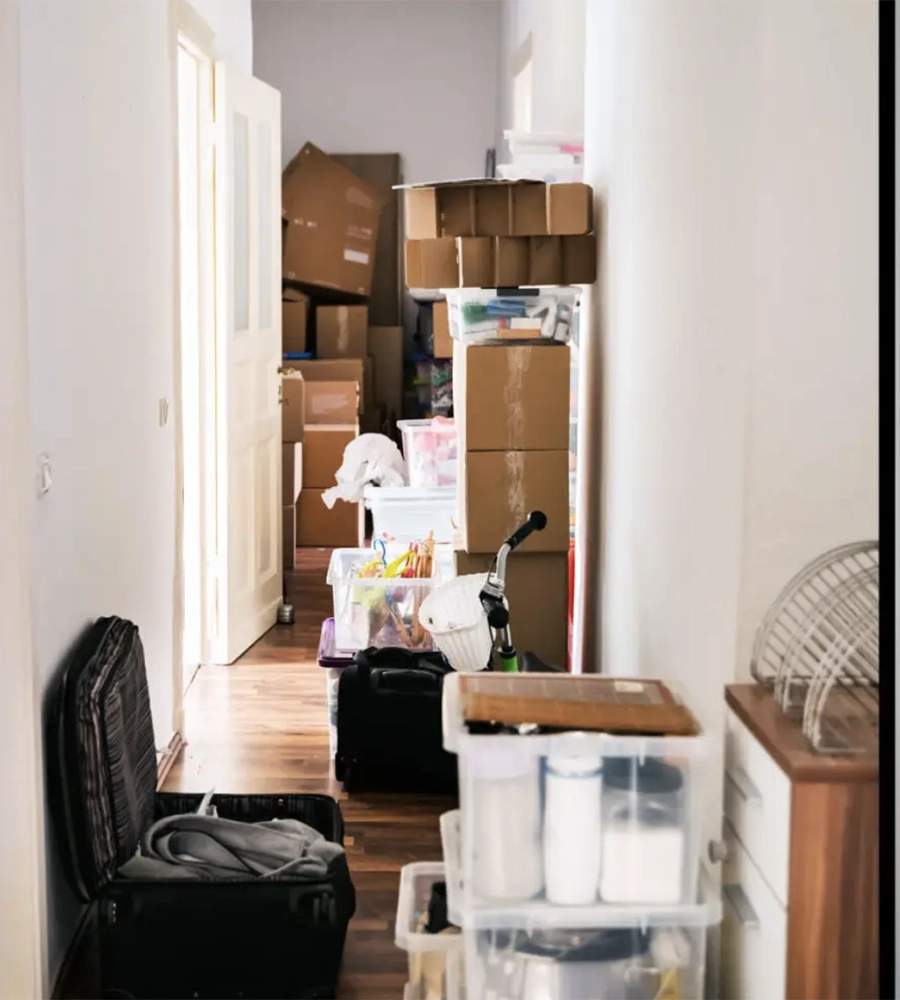
Implementing this rule requires clear steps:
- First, systematically examine your belongings and create three categories: keep, donate, and discard.
- Evaluate each item critically. Question whether it has been actively used in the last year.
- Balance emotional attachment against practicality to decide the item’s fate. Some items may hold sentimental value that warrants keeping.
This rule promotes a lifestyle where ownership is intentional, making room for things that genuinely enrich your life. Such reflective decluttering does not just clear physical space, but mental space as well, allowing you to focus on what truly matters.
4. The Four-Box Method
The Four-Box Method is a more structured approach, offering clarity by organizing belongings into distinct categories. It helps you methodically tackle the chaos of clutter without feeling overwhelmed. Each box – keep, donate, trash, and relocate – serves to simplify the decision-making process while ensuring efficiency.
To deploy the Four-Box Method:
- Choose a specific area within your space to begin, such as a closet, a drawer, or even a room.
- During the sorting process, assign each item immediately to one of the four boxes based on its use and importance.
- Make a commitment to act on decisions promptly by removing the donate and trash boxes from your premises without delay.
This actionable method promotes an effective and clear process, enabling you to witness the immediate benefits of decluttering. It allows space to breathe and often is the first step in a broader transformation of your domestic environment.
3. The 20/20 Rule
Minimalism isn’t just about reducing clutter; it’s about thoughtful living. The 20/20 Rule reinforces this principle by questioning the monetary and practical worth of possessions. If an item costs less than 20 dollars to replace and can be found within 20 minutes from home, it might not be worth the space it occupies. This rule addresses the emotional barriers that often prevent letting go of inexpensive, non-essential items.
You can apply the 20/20 Rule by:
- Identifying items that are outdated or no longer functional but still present in your home.
- Reviewing gadgets or tools lying unused, remembering that their financial value does not justify cluttering your living space.
This rule encourages a shift towards functional simplicity, where every item has a purpose or tangible benefit. It questions necessity, helping to eliminate the physical clutter and create a streamlined environment conducive to efficiency.
2. Digital Decluttering
In the age of technology, digital clutter can be just as distracting as physical clutter. Digital decluttering is an essential yet often overlooked component of minimalist living. It involves organizing and minimizing the digital equivalent of clutter to boost productivity and provide mental clarity.
Here’s how you can begin your digital decluttering quest:
- Organize digital files into well-labeled folders, removing duplicates and files that no longer serve a purpose.
- Streamline your inbox by unsubscribing from newsletters and email updates that no longer interest you.
- Assess the apps cluttering your devices, reducing them to only those regularly used and genuinely necessary.
Paying attention to digital organization can significantly reduce stress and distraction. Much like physical clutter, digital clutter can lead to stress and wasted time. By tackling it, you establish a decluttered virtual environment that mirrors the peace of your physical living space.
1. The Minimalist Mindset
The most vital strategy for efficient decluttering is cultivating a Minimalist Mindset. This comprehensive approach influences every action, from how you approach decluttering to how you live daily. Adopting this mindset means prioritizing quality over quantity and fostering mindful living. It is centered on embracing essentials and relinquishing superfluous clutter.
Several principles guide the development of a minimalist mindset:
- Consistently reflect on personal values and distinguish between actual needs and wants.
- Exercise mindfulness with new purchases, ensuring they align with the minimalist lifestyle and won’t disrupt your simplified living.
- Adopt habits that support simplicity, like regular decluttering and commitment to only retain items that add tangible value to your life.
A minimalist mindset is transformative, leading to a balanced life where material possessions complement rather than distract from meaningful experiences. It’s not just about having less, but about making room for more: more freedom, more contentment, and more intentionality in your surroundings and life choices.
In conclusion, efficient decluttering is more than just a tidying exercise; it is a lifestyle choice that offers clarity and structure. By leveraging these five strategies, individuals not only transform their spaces but also create an environment that enhances tranquility and focus. Embrace these practical approaches, and you’ll find that minimalism can significantly improve both your living space and overall quality of life.
| Category | Description |
|---|---|
| Time Management | Efficient decluttering leads to better time use; less clutter means more clarity on tasks and activities, allowing you to focus on what truly matters. |
| Mental Clarity | Minimalist spaces promote a sense of peace and calm, reducing anxiety levels that often come with overwhelming amounts of disorganization. |
| Sustainability | Decluttering often involves donating or recycling items, leading to more eco-friendly living practices that benefit both personal spaces and the environment. |
| Increased Productivity | A tidier environment fosters higher work efficiency, encouraging creativity, and reducing distractions that can derail focus during important tasks. |
Exploring these categories provides a comprehensive understanding of the multifaceted benefits of efficient decluttering. For instance, the correlation between time management and minimalism cannot be overstated; a decluttered space invites productivity, enabling individuals to allocate their time more effectively. By reducing physical distractions, one can channel energy toward achieving personal or professional goals.Moreover, the connection to mental clarity highlights how environments influence our psychological well-being. Studies suggest that clutter can create a visual overload, leading to increased stress and diminished focus. Embracing minimalism allows for a simpler lifestyle, maximizing both mental space and emotional stability.On a larger scale, engaging in sustainable practices opens the door to conscientious living. By decluttering, individuals not only rid themselves of unnecessary possessions but also contribute to social good through donations, impacting both their community and the planet positively.Lastly, increased productivity in well-organized settings becomes evident as one notices the direct results of dedicating spaces such as offices or studios to minimalism. This focused approach encourages creative thinking and enhances problem-solving capabilities, much needed in today’s fast-paced world.Each of these categories offers its own unique insight into the practicalities of decluttering, making a compelling case for minimalism as a transformative lifestyle choice that extends well beyond surface-level aesthetics.
Frequently Asked Questions on Efficient Decluttering and Minimalism
What is the first step to start decluttering my space efficiently?
The initial step towards efficient decluttering is to establish a clear vision of what you want your space to look like. This might involve setting specific goals, such as reducing items by a certain percentage or organizing areas based on functionality. Tackling one room or category at a time, such as clothing or books, and setting a timeline can significantly increase effectiveness. The process begins with confronting the habits and emotions tied to your possessions, which can often be a larger hurdle than the items themselves.
How can minimalism help with maintaining a clutter-free home?
Minimalism is more than just decluttering—it’s about adopting a mindset that prioritizes meaning over materialism. By focusing on what truly adds value to your life, minimalism inherently discourages unnecessary acquisitions, helping maintain a clutter-free environment. It simplifies decision-making, reduces stress, and contributes to a sense of peace and order. As a lifestyle, it encourages mindful consumption and creative living spaces that benefit both mental and physical health.
Are there specific tools or methods that can aid in the decluttering process?
Yes, there are several tools and methods designed to ease the decluttering process. The KonMari Method by Marie Kondo, for instance, suggests decluttering by category rather than location and keeping only items that spark joy. Similarly, the Four-Box Method involves sorting through items by placing them into four categories—keep, donate, discard, or relocate—simplifying the decision-making process. Digital decluttering tools, like inventory apps, can help track possessions and plan decluttering sessions effectively.
What challenges might I face while decluttering, and how can I overcome them?
Common challenges include emotional attachment to items, decision fatigue, and the sheer volume of items to tackle. Overcoming these obstacles often involves shifting perceptions about your belongings and their true importance in your life. Implementing a rule, such as the “one in, one out” philosophy, can prevent future clutter. Professional organizers or community decluttering groups can also provide support and motivation. Remember, progress is more important than perfection, and small, consistent steps can lead to big changes.
Conclusion
In an era marked by overwhelming consumerism and constant information influx, the pursuit of minimalism emerges as a refreshing antidote. By adopting practical strategies for efficient decluttering, individuals can transform their spaces and, in turn, their lives. This transformation goes beyond mere aesthetics; it has the potential to enhance mental clarity, foster productivity, and cultivate a sense of tranquility.
Main Takeaways
- Define Your Purpose: Understanding the personal motivations behind your decluttering journey can drive meaningful change.
- Start Small: Tackling one area at a time helps prevent overwhelm and ensures sustained momentum.
- Adopt the One-In, One-Out Rule: This strategy promotes mindfulness in consumption and prevents new clutter from accumulating.
- Embrace Sentimental Minimalism: Striking a balance between letting go and cherishing memories can enrich emotional well-being.
- Utilize Technology: Leveraging digital tools can streamline the decluttering process and keep spaces orderly.
The art of decluttering is deeply woven into the fabric of minimalism, underscoring the powerful impact that a simplified environment can have on one’s life. As laid out in the article, these strategies provide a framework for achieving not just an organized space, but also a more intentional lifestyle. Implementing these methods may seem daunting, yet even small steps can lead to profound transformations.
Ultimately, minimalism and personal organization are not merely about aesthetics but about reclaiming time, space, and mental peace. By continuing to explore the principles of minimalism, individuals can uncover a path toward a more meaningful, focused existence. This pursuit not only transforms spaces but also invites readers to continually reflect on the evolving relationship between their possessions, their space, and their well-being. This journey towards minimalism could very well unlock new perspectives on living intentionally in an increasingly cluttered world.


