
The Importance of Daily Meditation for Mental Well-Being
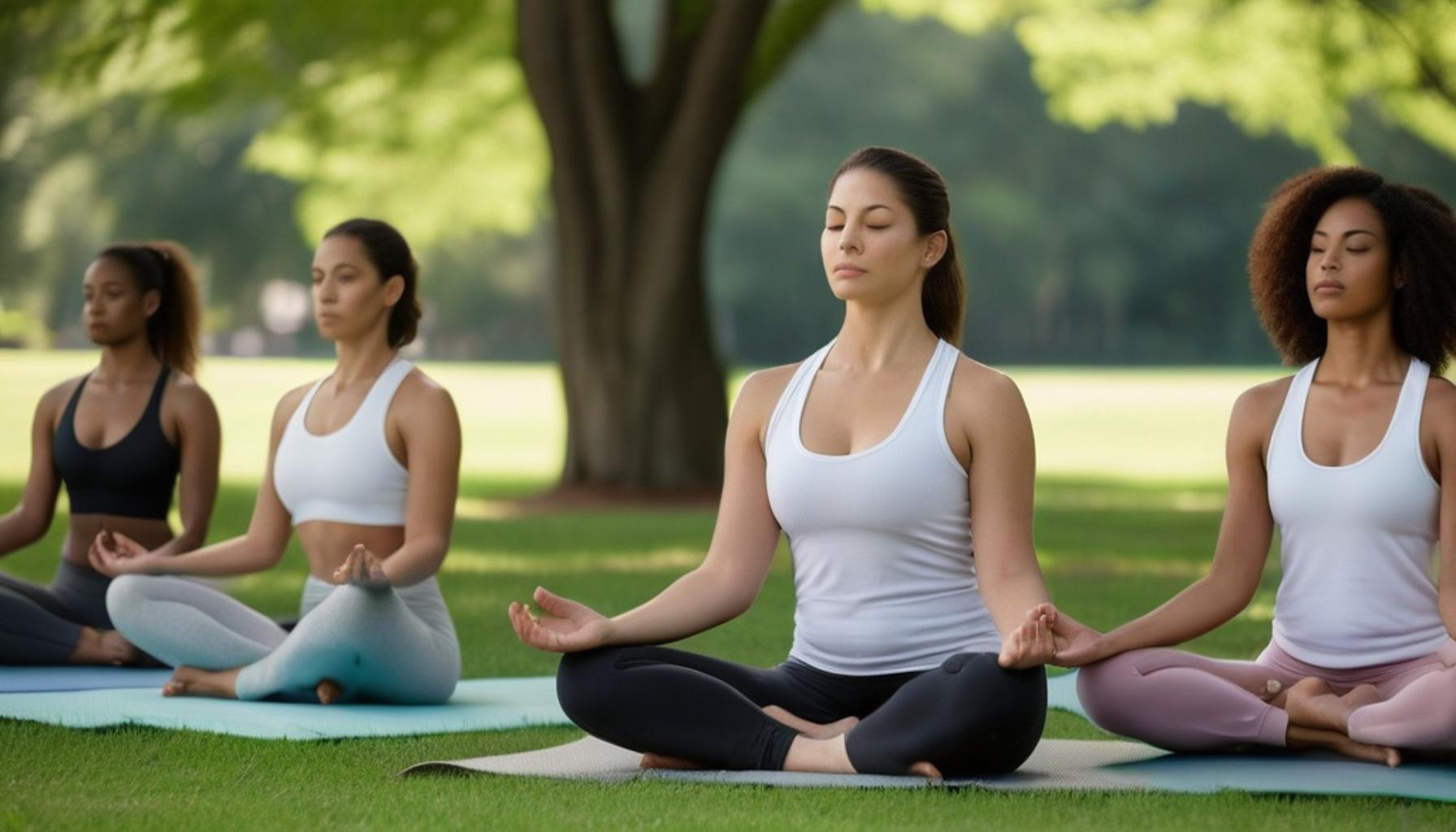
Why Millions of Americans Are Turning to Stillness Every Morning
Across the United States, from bustling New York offices to quiet suburban kitchens, a quiet revolution is taking place. More people are waking up ten minutes earlier not for coffee, but for silence. This shift reflects a growing recognition of Daily Meditation for Mental Well-Being as a practical, evidence-backed tool rather than a passing wellness trend.
Stress, anxiety, and burnout have become defining features of modern American life. According to the American Psychological Association, over 75% of adults report physical or emotional symptoms tied to stress. Against this backdrop, the benefits of daily meditation are drawing attention from doctors, therapists, and everyday people seeking relief.
This trend is not confined to yoga studios in California or wellness retreats in Colorado. Corporate giants like Google and Aetna have introduced meditation programs for employees, while hospitals in cities such as Boston and San Francisco now recommend mindfulness practices alongside traditional treatment plans. Even public schools in states like Ohio and Texas have piloted short meditation breaks to help students manage stress before exams. This widespread adoption signals something deeper than a fad; it points to a cultural recalibration around mental health.
What This Article Will Explore
This piece dives into how a few quiet minutes each day can reshape mental health outcomes over time. It’s not about achieving perfect calm, but building resilience. Researchers at institutions like Harvard Medical School have spent years studying how consistent meditation practice physically alters brain structure, particularly in regions tied to emotional regulation and stress response.
- How meditation improves mood through measurable changes in brain chemistry, including increased activity in the prefrontal cortex and reduced amygdala reactivity
- Simple meditation techniques for mental health that fit into a busy American lifestyle, whether during a commute, lunch break, or before bed
- The science behind mindfulness meditation for well-being and its long-term effects on anxiety, depression, and chronic stress
- Practical, no-nonsense steps to start today, even with just five minutes, using free apps or nothing more than a quiet corner
Millions have already discovered that apps like Headspace and Calm, along with community classes offered through local YMCAs, make this practice accessible regardless of income or location. Curious how something so simple could carry such weight for mental clarity and emotional balance? The answer lies in both ancient practice and modern neuroscience, and it starts with understanding what actually happens when you sit still and breathe.
RECOMMENDED: The importance of the practice of gratitude for mental well-being in daily life
# The Science Behind the Silence: What Happens in Your Brain
Step into any neuroscience lab studying contemplative practice, and you’ll hear a consistent message: meditation is not mystical, it’s measurable. The rising interest in Daily Meditation for Mental Well-Being isn’t built on faith alone; it’s backed by brain scans, cortisol tests, and longitudinal studies tracking thousands of participants across decades.
A landmark study from Massachusetts General Hospital found that participants who meditated for just eight weeks showed measurable changes in gray matter density. The regions affected? Areas linked to memory, self-awareness, and emotional regulation. This wasn’t a temporary shift. It was structural change, visible on an MRI, from something as simple as sitting quietly each day.
What makes this discovery particularly striking is the timeline. Eight weeks is roughly the same amount of time it takes to train for a 5K or adjust to a new medication dosage. Yet within that window, researchers documented physical alterations to the brain’s architecture, not just self-reported feelings of calm. This is the kind of evidence that turns skeptics into cautious believers, and it’s why institutions with reputations to protect, like Harvard-affiliated hospitals, continue funding this research.
How Meditation Improves Mood on a Chemical Level
Understanding how meditation improves mood requires looking at neurotransmitters and stress hormones rather than vague feelings of “calm.”
- Regular practice has been shown to lower cortisol levels, the hormone responsible for the body’s fight-or-flight response
- Studies published in the journal Psychiatry Research link consistent meditation to increased gray matter in the prefrontal cortex, the brain’s center for decision-making and emotional control
- Reduced activity in the amygdala, the brain’s alarm system, has been observed in experienced meditators, meaning less reactivity to stressful triggers
- Increased production of serotonin and GABA, chemicals associated with mood stabilization and relaxation, has also been documented in clinical settings
These aren’t isolated findings from a single university. Researchers at UCLA, Johns Hopkins, and Duke have replicated similar results, lending weight to claims that once sounded more spiritual than scientific.
The Numbers Behind the Narrative
Some of the most compelling data comes from long-term studies tracking meditators for over a decade. Participants who maintained a consistent practice reported fewer instances of clinical anxiety and depression compared to control groups. One frequently cited figure suggests a reduction in stress-related symptoms by as much as thirty percent among those practicing regularly, a number significant enough to catch the attention of insurance companies now covering mindfulness-based therapy programs.
Why This Matters for Everyday Americans
Consider the average commuter in Chicago sitting in traffic for 45 minutes each way, or a nurse in Phoenix working a 12-hour shift during flu season. Chronic, low-grade stress accumulates quietly, often unnoticed until it manifests as insomnia, irritability, or physical illness.
The benefits of daily meditation become particularly relevant here. Unlike vacations or occasional therapy sessions, meditation offers a repeatable, low-cost intervention that fits into fragmented schedules. It doesn’t require a retreat in the mountains or a silent room for hours. Ten minutes on a lunch break, done consistently, can produce cumulative effects that rival those of more time-intensive interventions.
What makes this particularly compelling for skeptics is the dose-response relationship researchers have identified: more consistent practice, even in small daily increments, correlates with stronger and more lasting changes in emotional resilience. This is not about perfection or achieving some idealized meditative state. It’s about training the brain, much like a muscle, through repetition.
SEE ALSO: Social Connections and Their Impact on Mental Health: Cultivating Positive Relationships
# Finding Your Method: Techniques That Actually Fit Real Life
Walk into any bookstore’s wellness section and you’ll find dozens of titles promising the “one true way” to meditate. The reality is less rigid. Effective meditation techniques for mental health vary widely, and the best approach depends heavily on personality, schedule, and even personal history with anxiety or trauma.
Mindfulness-based stress reduction, or MBSR, remains the most clinically studied approach in the United States. Developed by Jon Kabat-Zinn at the University of Massachusetts Medical School in the late 1970s, this eight-week program has been adapted by hospitals, corporate wellness initiatives, and even the U.S. military. Its structure appeals to skeptics because it strips away spiritual language in favor of clinical terminology: attention regulation, body awareness, present-moment focus.
Comparing Popular Approaches
Not every technique works for every person, which is precisely why researchers recommend experimentation rather than dogma.
- Body scan meditation involves mentally scanning physical sensations from head to toe, often recommended for people who struggle with racing thoughts
- Loving-kindness meditation, or metta practice, focuses on directing goodwill toward oneself and others, showing particular promise in studies addressing symptoms of depression
- Breath-focused meditation remains the most accessible entry point, requiring nothing more than attention to inhalation and exhalation patterns
- Walking meditation appeals to those who find stillness uncomfortable, blending movement with present-moment awareness
A 2019 study published in JAMA Internal Medicine found that different techniques activated distinct neural pathways, suggesting that variety in practice might offer broader cognitive benefits than sticking rigidly to a single method.
The Role of Apps and Technology in Modern Practice
It’s worth noting how meditation has been reshaped by smartphone culture. Apps like Headspace and Calm have introduced mindfulness meditation for well-being to millions of Americans who might never have set foot in a yoga studio or Buddhist center.
Calm reported over 100 million downloads by 2023, with usage spiking notably during tax season, back-to-school weeks, and the post-holiday months of January. This pattern hints at something researchers find fascinating: people reach for meditation during predictable periods of societal stress, not just during personal crises.
Critics argue that app-based meditation risks becoming another checkbox in an already gamified wellness culture. Yet data from the National Center for Complementary and Integrative Health suggests consistent app usage, even five minutes daily, correlates with measurable reductions in reported anxiety symptoms over a twelve-week period.
Building a Sustainable Habit
The most overlooked factor in maintaining practice isn’t motivation, it’s environment design. Behavioral scientists studying habit formation point to specific triggers: meditating immediately after brewing morning coffee, or right before checking a phone for the first time each day.
Small, anchored routines outperform ambitious but vague intentions like “meditate more.” This distinction explains why so many New Year’s resolutions around mindfulness quietly dissolve by February, while habits tied to existing routines tend to stick through entire seasons.
The Bigger Picture: Why Consistency Beats Perfection
Across research labs, VA hospitals, and Silicon Valley wellness programs, one theme keeps surfacing: Daily Meditation for Mental Well-Being isn’t about achieving some blissful, thought-free state. It’s about repetition, showing up on ordinary Tuesdays as much as during moments of crisis.
The evidence gathered throughout this piece points to a clear conclusion. Whether someone chooses MBSR, loving-kindness practice, or a five-minute session squeezed in in through a smartphone app, the specific technique matters less than the consistency behind it.
What the Research Really Tells Us
The benefits of daily meditation extend far beyond stress relief. Improved emotional regulation, better sleep quality, and measurable changes in brain structure all appear in long-term practitioners. This is precisely how meditation improves mood over time, not through single dramatic breakthroughs, but through gradual, cumulative rewiring.
That said, meditation shouldn’t be framed as a cure-all. Clinicians continue to stress that it works best alongside, not instead of, professional mental health treatment when symptoms are severe.
Readers curious about starting their own practice might consider these next steps:
- Trying a single technique for two full weeks before switching methods
- Anchoring practice to an existing daily habit, like morning coffee
- Tracking mood patterns to notice subtle shifts over time
The science on daily meditation benefits will likely keep evolving. But for now, the data suggests a simple truth: a few quiet minutes, repeated daily, may be one of the most accessible tools available for supporting long-term mental health.
Frequently Asked Questions
How long should I meditate each day to see improvements in mental well-being?
Research suggests that even 10 to 15 minutes of daily meditation can reduce stress and improve mood over time. Beginners can start with 5-minute sessions and gradually increase duration as consistency becomes easier. The key factor is regularity rather than length, so daily practice matters more than session duration.
What is the best time of day to practice daily meditation for mental well-being?
Many people find morning meditation helpful because it sets a calm tone before the day’s stressors begin. Others prefer evening sessions to unwind and process the day’s emotions before sleep. The best time is whichever slot you can consistently commit to, since consistency drives the mental health benefits.
Can daily meditation help with anxiety and depression symptoms?
Studies show that regular meditation practice can lower cortisol levels and activate brain regions associated with emotional regulation, which may ease symptoms of anxiety and depression. It is not a replacement for professional treatment but works well as a complementary tool alongside therapy or medication. Mindfulness-based approaches in particular have strong evidence for reducing rumination and negative thought patterns.
What type of meditation is most effective for beginners seeking mental well-being?
Mindfulness meditation and guided breathing exercises are typically recommended for beginners because they are simple to learn and require no special equipment. Apps like Headspace or Calm can provide structured guidance for those new to the practice. Experimenting with a few styles, such as body scans or loving-kindness meditation, can help you find what resonates best with your personal needs.

Linda Carter
Linda Carter is a writer specializing in healthy habits and balanced living. With extensive experience helping readers build sustainable routines, she shares practical guidance on nutrition, physical activity, quality sleep, stress management, and emotional well-being. Her goal is to offer simple, accessible strategies that inspire people to care for their health and enjoy a more balanced life.