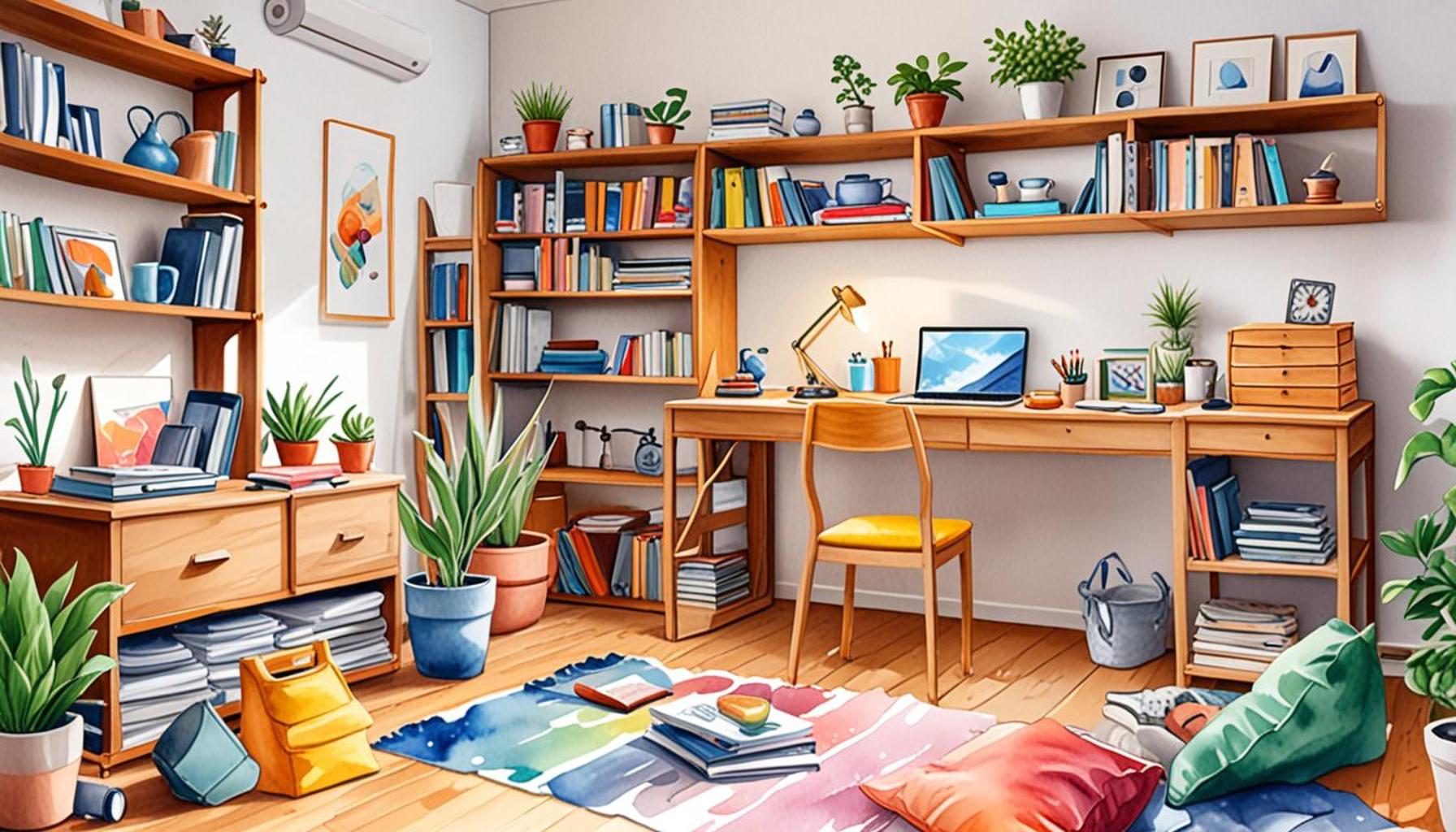
Creating a Decluttering Routine: Strategies for Long-Term Minimalist Success

Embracing the Minimalist Lifestyle
The journey to a clutter-free home starts with the right decluttering routine. Whether you’re overwhelmed by overflowing closets or buried under stacks of unneeded papers, creating a systematic approach is essential. Understanding how to implement these strategies can lead you to long-term success in achieving a minimalist lifestyle. With the rise of minimalist movements, many people are finding that less truly can be more, not just in their living spaces but also in their lives.
Why Decluttering Matters
Living with less offers numerous benefits, including:
- Reduced Stress: A tidy environment promotes a clearer mind. Studies have shown that clutter can lead to feelings of overwhelm and anxiety. By reducing physical clutter, you create a calming atmosphere that fosters mental well-being.
- Increased Productivity: Fewer distractions allow for better focus. According to research, a clean and organized space enhances concentration and drives motivation, enabling you to accomplish tasks much more efficiently.
- Financial Savings: Less clutter often means making fewer impulse purchases. By reevaluating what you truly need, you can cut down unnecessary spending, leading to significant savings over time.
Building a Routine
Establishing a consistent decluttering routine is vital for maintaining a minimalist lifestyle. Here are some key strategies to consider:
- Start Small: Choose one area to tackle at a time, such as a drawer or shelf. This approach prevents you from feeling overwhelmed and allows for a sense of accomplishment as you refine each small space.
- Set Clear Goals: Define what success looks like for you. Whether it’s a streamlined closet or a paper-free desk, having specific targets can help you remain motivated and focused on the end result.
- Schedule Regular Sessions: Make decluttering a part of your weekly or monthly routine. Just like a fitness regimen, regular decluttering sessions can keep your environment organized and prevent clutter from accumulating.
As you dive into these strategies, you’ll find that embracing minimalism can transform not only your space but also your overall well-being. Consider integrating the “one in, one out” rule, where for every new item you bring into your home, you remove an existing one. This helps maintain balance and prevents future clutter. Furthermore, explore community resources such as local donation centers or online platforms like Freecycle to give your items a second life, creating a cycle of sustainability.
Let’s explore these techniques further to help you develop a personalized approach that works for you. The journey towards a minimalist lifestyle is not just about physical space; it’s an opportunity to cultivate a more intentional way of living that resonates deeply with your values and aspirations.
DISCOVER MORE: Click here to unlock the psychological benefits of minimalist decluttering
Implementing Effective Decluttering Techniques
To craft a successful decluttering routine, it’s imperative to incorporate specific techniques that resonate with your personal lifestyle and needs. A systematic approach allows you to address clutter incrementally, ultimately enhancing the quality of your living space. By anchoring your efforts in actionable strategies, you are more likely to develop sustainable habits that lead to a fulfilling minimalist lifestyle. Let’s delve into several effective techniques that can transform your declutter journey.
Utilizing the Four-Box Method
The Four-Box Method is a practical and engaging strategy that prompts you to categorize items into four distinct boxes: Keep, Donate, Trash, and Repair. This method ensures that every item in your home is evaluated systematically.
- Keep: Items that are essential to your daily life or hold significant sentimental value belong here.
- Donate: If you have items in good condition that you no longer use, consider donating them to local charities or shelters.
- Trash: Broken items or anything that no longer serves a purpose should be discarded.
- Repair: Items that need minor repairs can be set aside until they can be fixed, preventing clutter from taking over your space.
This method not only streamlines your decluttering process but also encourages mindful decision-making about what truly adds value to your life. By embracing this technique, you can transform the daunting task of decluttering into a more manageable and rewarding experience.
Implementing Time-Limited Decluttering Sessions
Another effective strategy is to implement time-limited decluttering sessions. Set aside 15 to 30 minutes a day dedicated solely to decluttering. This focused approach cultivates momentum without the pressure of a time-consuming project. Here’s how you can structure your sessions:
- Pick a Specific Task: Choose a small area, such as a single closet or even a bathroom drawer, to maximize your productivity.
- Set a Timer: Committing to a specific timeframe creates urgency and encourages more decisive action.
- Reflect: After each session, take a moment to acknowledge your progress. This reflection builds motivation and helps establish decluttering as a regular habit.
Regular time-limited sessions not only promote consistency but provide a structured framework where you can see immediate results. This swift action discourages stagnation, ensuring that clutter does not reaccumulate.
Consider the “20/20 Rule” for Easy Decision-Making
The “20/20 Rule” is an ideal guideline for making swift decluttering decisions regarding items you’re uncertain about. If you can replace an item for less than $20 and within 20 minutes, it’s generally safe to let it go. This rule helps to mitigate the emotional attachment we often develop with our possessions. By focusing on practicality rather than sentimentality, you can clear out the excess with confidence.
By adopting these techniques and tailoring them to your personal situation, you set a solid foundation for a decluttering routine that fosters long-term minimalist success. Gradually, these strategies will help in reshaping your environment and shifting your mindset, paving the way for a lifestyle grounded in simplicity and intentionality.
Establishing Your Decluttering Routine
Creating a sustainable decluttering routine is essential for achieving long-term minimalist success. A well-formulated plan not only makes the process more manageable but also reduces the stress associated with letting go of possessions. Here are several strategies to consider when developing your routine.
Set Clear Goals
Begin by defining clear, achievable goals for your decluttering journey. Are you aiming to declutter a specific room, such as your living space or your office? Establish the degree of minimalism you desire; for instance, do you want to own a certain number of items or simply create a more serene environment? Setting these specific objectives provides direction and motivation, making the journey feel less overwhelming.
Schedule Regular Decluttering Sessions
Consistency is crucial. Set aside time weekly or monthly for decluttering. This will help you stay committed and turn decluttering into a habitual practice. Consider using the “15-minute daily declutter” method, which allows you to dedicate a short, manageable amount of time each day to tackle specific areas. Over time, these small efforts accumulate, resulting in significant change.
Utilize the Four-Box Method
When engaging in a decluttering session, utilize the Four-Box Method—label four boxes as “Keep,” “Donate,” “Sell,” and “Trash.” This breakdown helps you make swift decisions, as it categorizes your items and clarifies what you truly need in your life. As you handle each object, ask yourself questions about its utility and emotional significance to aid in decision-making.
Evaluate Your Progress
Routine evaluation is vital to understanding your growth in minimalism. Regularly assess your possessions and the impact of your decluttering efforts. Are there areas that still feel cluttered or overwhelming? Adapt your methods or goals as needed. Consider maintaining a journal to document your feelings and insights throughout the process, providing both reflection and motivation.
Incorporate Mindfulness
Incorporating a mindfulness approach can also enhance your decluttering routine. Before you make a decision on an item, pause and reflect on how it serves you and your lifestyle. This practice not only helps alleviate guilt associated with letting go but can also empower you to embrace a more intentional way of living.By implementing these strategies, you can create a personalized decluttering routine that supports your journey toward minimalist success, leading to an intentional and peaceful living environment. Embrace these methods as you continue to explore the benefits and nuances of a simplified lifestyle.
| Category | Benefits |
|---|---|
| Routine Scheduling | Promotes consistency and lessens overwhelm |
| Four-Box Method | Facilitates quick decisions and organization |
DISCOVER MORE: Click here to learn about creating an efficient decluttering routine
Establishing Habits for Sustained Decluttering
Once you have adopted effective techniques for decluttering, the next step is to integrate these strategies into your everyday life as habits. Developing a consistency in decluttering is key to maintaining a minimalist living space long-term. However, creating a sustainable routine requires dedication and self-awareness beyond the initial decluttering sessions. Let’s explore several strategies to establish and maintain your decluttering habits effectively.
Incorporating the “One In, One Out” Principle
A fundamental principle for long-term decluttering success is the “One In, One Out” rule. This approach mandates that for every new item you bring into your home, you must remove an existing item. This technique prevents clutter accumulation and encourages mindful consumption. Here are a few ways to implement this principle:
- Before a Purchase: Ask yourself if you really need the item and what you would be willing to part with in its place.
- Regularly Assess Your Belongings: After acquiring something new, take a moment to evaluate your possessions and decide what item is no longer necessary.
- Make a Family Commitment: Encourage family members to adopt this principle, fostering a collective mindset focused on limiting clutter.
By adhering to the “One In, One Out” rule, you create a healthy balance that preserves your decluttered living space, ultimately fostering a consciousness around material possessions.
Creating Decluttering Zones in Your Home
Another effective strategy is to create designated decluttering zones throughout your home. These zones can be temporary areas where you accumulate items that need to be processed through your decluttering routine. Consider the following ideas:
- Drop Zones: Set up a small basket or bin by the door for items that you no longer need, such as clothing, shoes, or magazines.
- Daily Declutter Space: Choose a small corner in your home—perhaps a shelf in your closet or a table in your entryway—where you can deposit items you encounter in your daily life that need attention.
- Seasonal Declutter Area: Dedicate a space where you can store items that are related to specific seasons or holidays until it’s time to assess their necessity.
Having defined zones reduces the anxiety often associated with decluttering tasks, making it easier to maintain your minimalist goals without feeling overwhelmed.
Regularly Schedule Decluttering Days
Integrating regular decluttering days into your calendar can solidify the habit and ensure you remain diligent in your efforts. Here are some suggestions for optimizing these scheduled decluttering days:
- Monthly “Clean Slate” Days: Dedicate a day each month to systematically tackle areas that may require extra attention, such as storage rooms or attics.
- Seasonal Evaluations: Use the changing seasons as an opportunity to assess your belongings, ensuring items remain relevant and necessary.
- Involve Family and Friends: Turn decluttering into a social event by inviting others to participate—offering support and providing a helping hand can make the process enjoyable.
By incorporating decluttering days into your schedule, you create a rhythm and familiarity that reinforces minimalism as part of your lifestyle. Over time, these sessions become acts of maintenance rather than large, daunting efforts.
Implementing these habits and committing to a consistent routine will set you on the path to achieve long-term minimalist success. The journey may require effort, but the rewards, in terms of a serene, clutter-free environment and a tranquil mindset, are indeed worth it.
DISCOVER MORE: Click here to learn about the psychological benefits of decluttering
Conclusion: Embracing a Minimalist Lifestyle
As we conclude our exploration of creating a decluttering routine aimed at achieving long-term minimalist success, it’s essential to recognize that this journey is less about perfection and more about progress. By embracing the strategies outlined—such as the “One In, One Out” principle, establishing decluttering zones, and scheduling regular decluttering days—you are not only crafting a more organized living environment but also nurturing a mindset that values simplicity and intentionality.
What you are building is an evolving relationship with your possessions, allowing you to appreciate what truly matters while letting go of the excess that weighs you down. Remember that the path to minimalism is a personal and ongoing commitment. By consistently reflecting on your belongings and cultivating daily habits, you pave the way for a lifestyle that invites peace, clarity, and productivity.
Moreover, it’s important to remain adaptable. Life circumstances and personal preferences change, and so should your decluttering strategies. Engaging with your family and community can enhance this experience, allowing shared insights and support as you embark on this minimalistic journey together. As you move forward, take pride in each small victory, and let the harmony of a clutter-free space inspire you to live with intention.
Ultimately, the pursuit of long-term minimalist success is about achieving a balanced life where clarity prevails over chaos. With diligence and consistency, a serene, decluttered home can become a sustainable reality, leading to a more fulfilling and mindful existence.