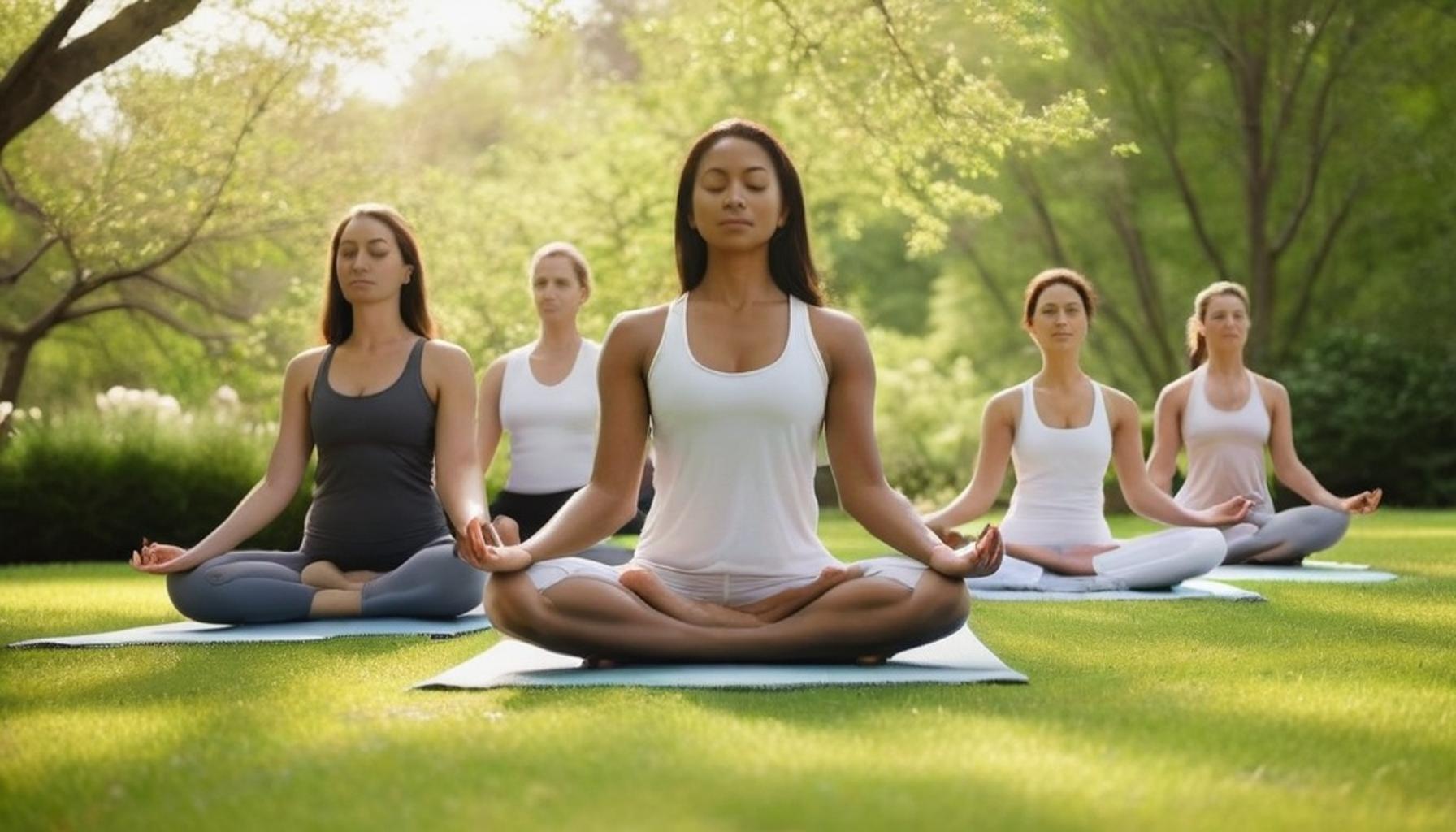
Breathing Techniques to Alleviate Stress in Daily Life
Why Your Breath Might Be the Most Underrated Stress Tool You Own
Traffic on the 405, a looming deadline, or an overflowing inbox—stress shows up uninvited, and often daily. According to the American Psychological Association, nearly 77 percent of Americans report experiencing stress that affects their physical health. Yet most people overlook a built-in remedy that’s always within reach: their own breath.
Breathing Techniques for Stress Relief are gaining traction among doctors, therapists, and wellness experts nationwide, from Los Angeles wellness studios to New York City therapy offices. Unlike supplements, gadgets, or subscription apps, this method costs nothing and works almost instantly, making it accessible to anyone regardless of income or location.
The Science Behind a Simple Exhale
Research shows that slow, controlled breathing activates the parasympathetic nervous system, the body’s natural “brake” against stress hormones like cortisol and adrenaline. In just a few minutes, heart rate can drop, blood pressure can stabilize, and mental clarity often improves significantly.
This is why breathing exercises for anxiety are increasingly recommended alongside traditional therapy and medication. Studies published in journals focused on behavioral medicine suggest consistent practice may reduce cortisol levels by up to 15 percent, with some participants reporting improved sleep quality and reduced muscle tension within just two weeks of daily practice.
What Makes This Method So Practical?
Learning how to reduce stress with breathing requires no special equipment, gym membership, or scheduled appointment. It can happen anywhere—your car during a red light, your office before a big meeting, or your kitchen table while waiting for coffee to brew.
- Deep breathing techniques that calm the mind in under five minutes, ideal for high-pressure moments
- Relaxation breathing methods used by professional athletes, first responders, and Navy SEALs during high-stakes situations
- Simple stress management breathing exercises designed for busy parents juggling school runs and professionals managing back-to-back calls
- Techniques adaptable to office desks, morning commutes on public transit, or nightly bedtime routines for better sleep
- Box breathing, the 4-7-8 method, and diaphragmatic breathing—each offering distinct benefits depending on the situation
This article breaks down proven approaches, backed by science and easy to start today, whether you’re sitting in rush-hour traffic or preparing for a job interview. Readers will discover exactly how a few intentional breaths can reshape their response to daily pressure, potentially transforming a chaotic afternoon into a manageable one, one inhale at a time.
YOU MAY ALSO LIKE: The importance of meditation in stress management: techniques to incorporate into daily routine
Box Breathing: The Navy SEAL Secret Now Used in Boardrooms
Long before it became a wellness trend, box breathing was a tactical tool. Navy SEALs used it to stay composed under gunfire, and today, executives in Chicago boardrooms and nurses in Houston emergency rooms rely on the same method to manage high-pressure moments. What started as a survival technique for elite military operators has quietly become one of the most widely recommended tools in corporate wellness programs, sports psychology, and even hospital training manuals across the country.
The technique is straightforward: inhale for four seconds, hold for four seconds, exhale for four seconds, then hold again for four seconds before repeating. This four-part rhythm gives the practice its name, and its structure is precisely what makes it effective. Some practitioners visualize tracing the sides of a square as they breathe, which helps maintain focus and consistency, especially during the first few attempts.
Unlike more complex relaxation breathing methods, box breathing requires no counting apps or guided audio. Just a mental four-count and a willingness to pause, even during a hectic Tuesday afternoon. This simplicity is exactly why it has spread so far beyond its military roots, appearing in performance coaching sessions for NFL players and stress workshops for Silicon Valley tech teams alike.
Why This Pattern Works So Well
Neuroscientists point to the predictable rhythm of box breathing as key to its success. When breathing becomes irregular, often shallow and rapid during stress, the brain interprets this as a signal of danger. Box breathing reverses that signal, essentially communicating safety to a nervous system primed for alarm.
By forcing equal, measured intervals, this stress management breathing exercise tricks the nervous system into shifting from fight-or-flight mode into a calmer, more rational state. Clinical observations suggest that four to five rounds, roughly one minute total, can measurably reduce feelings of panic or overwhelm. Some researchers have even linked the practice to lowered heart rate variability spikes, a physiological marker often associated with acute stress.
This makes it particularly useful for anyone exploring how to reduce stress with breathing during acute situations, such as before public speaking, during a tense negotiation, or while waiting for medical test results. Emergency responders in cities like Los Angeles and New York have also cited similar breathing patterns as part of their own on-the-job coping strategies.
Practical Ways to Use Box Breathing Daily
Incorporating this method into a daily routine doesn’t require drastic lifestyle changes. Consider these common scenarios where box breathing fits naturally:
- Before opening a stressful email or checking work notifications first thing in the morning
- While sitting in a parked car before walking into a job interview or important meeting
- During a work break, especially for those managing back-to-back Zoom calls
- At bedtime, as part of a wind-down routine to prepare the body for sleep
- In waiting rooms, whether at the dentist’s office or before a school parent-teacher conference
For those newer to breathing exercises for anxiety, box breathing often serves as an accessible entry point. It’s simple enough to remember under pressure yet effective enough to produce noticeable results within minutes, making it one of the most practical deep breathing techniques available for everyday stress relief. As more workplaces and healthcare providers continue adopting it, box breathing may soon become as familiar a wellness habit as stretching or hydration reminders throughout the American workday.
Breathing Techniques for Stress Relief: A Quick Comparison
Understanding which breathing exercises for anxiety suit your daily routine can make a real difference. Below is a snapshot of popular deep breathing techniques and how they help reduce tension, improve focus, and support overall well-being.
| Technique | Primary Benefit |
|---|---|
| Diaphragmatic Breathing | Lowers cortisol levels and slows heart rate within minutes |
| 4-7-8 Method | Promotes fast relaxation, ideal for stress management breathing exercises before sleep |
| Box Breathing | Improves concentration and emotional control under pressure |
| Alternate Nostril Breathing | Balances the nervous system, a core relaxation breathing method from yogic practice |
Each method above demonstrates how to reduce stress with breathing in just a few minutes daily, making them practical tools for anyone seeking calmer, more balanced days.
DISCOVER MORE: Click here for effective restorative sleep strategies
The 4-7-8 Method: A Physician-Backed Approach to Faster Calm
Dr. Andrew Weil, a Harvard-trained physician, popularized a breathing pattern that has since gained traction in sleep clinics and stress-management programs nationwide. Known as 4-7-8 breathing, this technique asks practitioners to inhale through the nose for four seconds, hold the breath for seven seconds, then exhale slowly through the mouth for eight seconds.
The extended exhale is the defining feature here, and it’s also what separates this method from box breathing. That longer release activates the parasympathetic nervous system more intensely, making it one of the more potent breathing techniques for stress relief when someone needs to downshift quickly, particularly at night.
Sleep specialists in cities like Austin and Denver have started recommending 4-7-8 breathing to patients struggling with racing thoughts before bed. Unlike sleep medication, it carries no side effects and can be practiced anywhere, whether in a hotel room during business travel or a college dorm before finals week.
The Science Behind the Extended Exhale
Physiologically, exhaling longer than inhaling triggers a stronger vagal response. The vagus nerve, which runs from the brainstem through the chest and abdomen, plays a central role in regulating heart rate and signaling relaxation to the body.
Research into how to reduce stress with breathing consistently points to this exhale-to-inhale ratio as a critical factor. A 2017 review published in the journal Frontiers in Psychology noted that slow, extended exhalations were linked to measurable decreases in cortisol levels and reported anxiety symptoms among study participants.
This makes 4-7-8 breathing especially useful for situations involving lingering tension rather than sudden panic, such as unwinding after a stressful commute through Atlanta traffic or decompressing following a difficult conversation with a coworker.
Diaphragmatic Breathing: Retraining the Body’s Default Pattern
While box breathing and 4-7-8 breathing focus on rhythm and timing, diaphragmatic breathing addresses something more fundamental: how air moves through the body in the first place. Many adults unconsciously breathe shallowly from the chest, a pattern that keeps the nervous system mildly activated throughout the day without anyone realizing it.
This method, sometimes called belly breathing, involves placing one hand on the chest and one on the abdomen, then breathing so that only the lower hand rises and falls. Physical therapists and respiratory specialists across the country teach this as one of the foundational deep breathing techniques for patients recovering from chronic stress, anxiety disorders, and even certain respiratory conditions.
Practicing this for five to ten minutes daily, ideally in a quiet space like a bedroom or parked car, can gradually retrain the body to default to fuller, slower breaths even outside of dedicated practice sessions. Combined with other relaxation breathing methods and stress management breathing exercises, diaphragmatic breathing offers a longer-term foundation rather than just situational relief.
Breathing as Everyday Medicine: Bringing It All Together
Stress is not disappearing from American life anytime soon, whether it stems from gridlock on a Los Angeles freeway or a packed inbox on a Monday morning. What has changed is the growing body of evidence showing that the body already carries a built-in reset button.
Box breathing, 4-7-8 breathing, and diaphragmatic breathing each approach the same nervous system through slightly different doors. One offers structure during high-pressure moments, another calms racing thoughts before sleep, and the third rebuilds healthier patterns over time. Together, they form a practical toolkit rather than a single fix.
What makes these breathing techniques for stress relief particularly compelling is their accessibility. No subscription, equipment, or appointment is required, just a few intentional minutes and a willingness to pay attention to something as automatic as breathing.
For readers wondering how to reduce stress with breathing on a consistent basis, the research suggests consistency matters more than perfection. A few minutes of practice daily tends to outperform occasional, longer sessions.
Those exploring breathing exercises for anxiety should also consider pairing these methods with other habits already known to support nervous system health, such as:
- Regular movement or walking outdoors
- Consistent sleep schedules
- Limiting caffeine during high-stress periods
As interest in deep breathing techniques and other relaxation breathing methods continues to grow, so does the opportunity for people to test these tools firsthand. The science is promising, but personal experience remains the most convincing evidence of all. Anyone curious about stress management breathing exercises might find that the most effective one is simply the one they’ll actually stick with.
Frequently Asked Questions
How quickly can breathing techniques for stress relief actually calm me down?
Most people notice a physiological shift within 60 to 90 seconds of slow, controlled breathing, as it activates the parasympathetic nervous system and lowers heart rate. For a stronger sense of calm, practicing for 3 to 5 minutes tends to be more effective. Consistency over days and weeks also builds a stronger baseline resilience to stress.
What is the 4-7-8 breathing method and how do I do it correctly?
The 4-7-8 technique involves inhaling quietly through your nose for 4 seconds, holding your breath for 7 seconds, and exhaling completely through your mouth for 8 seconds. Repeat this cycle four times, keeping your shoulders relaxed and your tongue lightly touching the roof of your mouth behind your front teeth. It’s especially useful before bed or during moments of acute anxiety.
Can breathing exercises help with stress if I have a busy work schedule?
Yes, many techniques like box breathing or diaphragmatic breathing take only 1 to 3 minutes and can be done discreetly at your desk, in your car, or between meetings. Even short bursts of intentional breathing can interrupt the stress response before it escalates. Setting phone reminders for a few sessions throughout the day makes it easier to stay consistent despite a packed calendar.
Is diaphragmatic breathing different from normal breathing, and why does it matter for stress relief?
Diaphragmatic breathing, also called belly breathing, engages the diaphragm fully rather than relying on shallow chest movements common during stress. This deeper breathing pattern increases oxygen exchange and directly signals your nervous system to shift out of fight-or-flight mode. Practicing it regularly can also improve posture and reduce tension in the neck and shoulders often caused by chronic stress.
How often should I practice breathing techniques to see long-term stress reduction?
For noticeable long-term benefits, aim to practice breathing exercises for 5 to 10 minutes at least twice daily, such as in the morning and before bed. Research suggests that consistent daily practice over 4 to 8 weeks can lower baseline cortisol levels and improve overall stress resilience. Pairing sessions with existing habits, like morning coffee or a nightly wind-down routine, helps make the practice stick.

Linda Carter
Linda Carter is a writer specializing in healthy habits and balanced living. With extensive experience helping readers build sustainable routines, she shares practical guidance on nutrition, physical activity, quality sleep, stress management, and emotional well-being. Her goal is to offer simple, accessible strategies that inspire people to care for their health and enjoy a more balanced life.