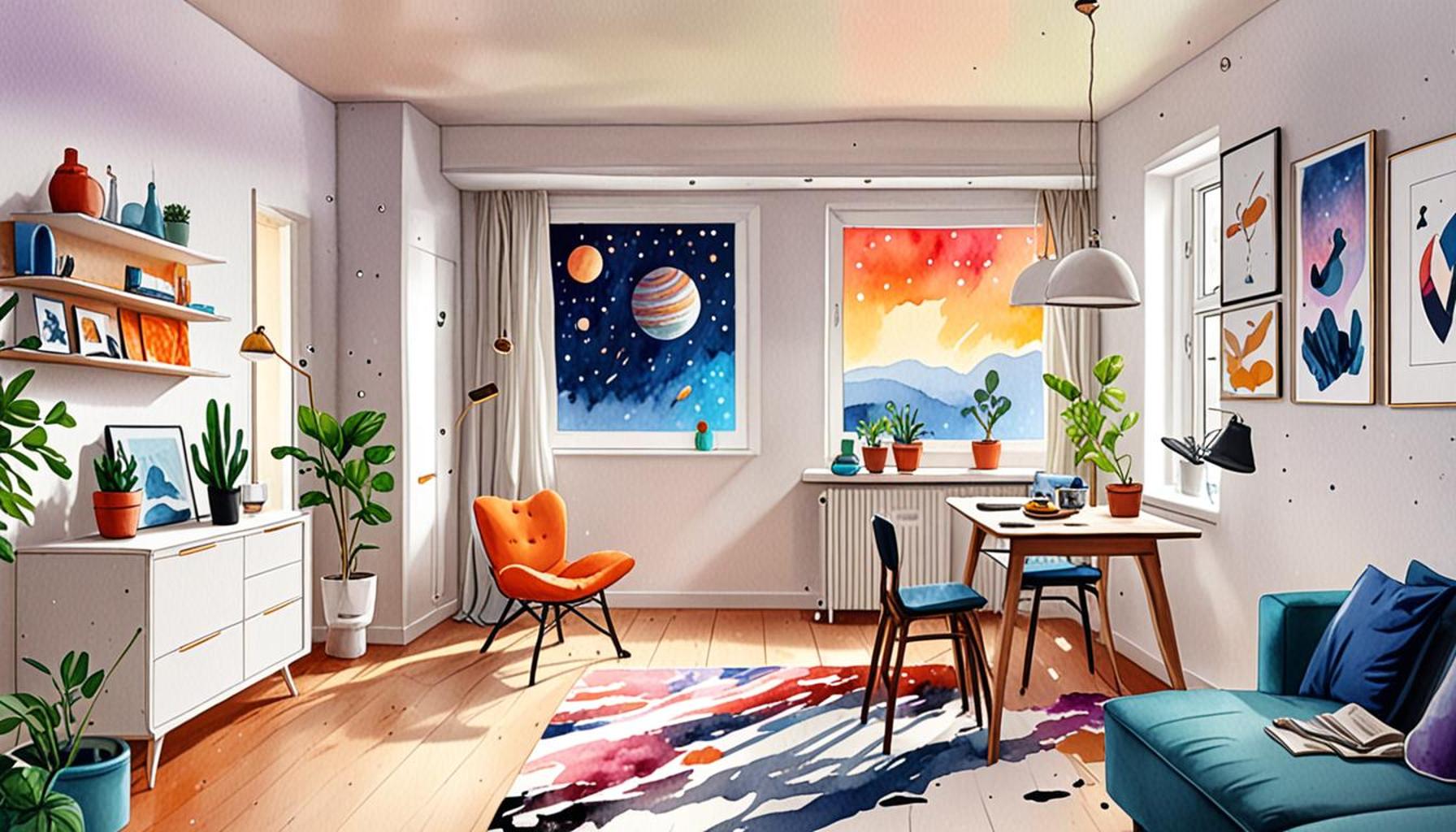
Minimalism and Sustainability: Space Optimization Strategies that Reduce Waste and Improve Quality of Life

Embracing a New Way of Living
As modern society progressively leans towards consumerism, two philosophies, *minimalism* and *sustainability*, emerge as compelling alternatives, resonating with individuals across various demographics. These concepts advocate a lifestyle that celebrates simplicity and intentionality. Living with less can lead to transformative changes, focusing on quality, usefulness, and mindfulness regarding consumption. In practical terms, adopting space optimization strategies facilitates not only a reduction in waste but also a profound enhancement in overall well-being.
Why Choose Minimalism and Sustainability?
Adopting a minimalist and sustainable lifestyle carries numerous benefits that appeal to a wide range of individuals:
- Reduces Environmental Impact: Embracing minimalism can substantially lower one’s ecological footprint. By purchasing fewer items, individuals create less waste, directly contributing to the reduction of landfill overflow and pollution. For instance, the average American produces about 4.4 pounds of trash daily, and even small lifestyle shifts can make a significant difference.
- Enhances Mental Clarity: A decluttered space promotes a calm and focused mindset. Studies suggest that physical clutter can contribute to increased stress and feelings of being overwhelmed. Creating a serene living environment allows for better concentration and mindfulness, giving individuals the energy to pursue their passions and hobbies rather than being bogged down by unnecessary possessions.
- Improves Financial Health: By reducing spending on non-essential items, individuals can allocate resources more effectively, fostering financial stability and allowing for investments in more meaningful experiences, such as travel or education. This approach not only enhances personal finance management but also encourages a thoughtful examination of one’s priorities.
Furthermore, the union of minimalism and sustainability invites individuals to critically evaluate their belongings and the larger ecological implications of their purchasing decisions. This holistic mindset focuses on valuing meaningful experiences over the constant acquisition of material goods, leading to a richer, more fulfilling life.
Space Optimization Strategies
Implementing effective space optimization techniques can dramatically transform your living environment. Here are practical strategies to consider:
- Decluttering: Regularly assess your belongings and keep only items that bring you joy or utility. The popular guideline by Marie Kondo emphasizes that each item in your home should spark joy. This process discourages keeping things out of obligation or guilt.
- Multi-functional Spaces: Design your living area with adaptable furniture and spaces that serve multiple purposes. For example, a sofa that converts into a bed or shelves that double as room dividers can maximize limited space, particularly in urban apartments where square footage is a premium.
- Digital Minimalism: Organize digital files and leverage technology to minimize physical documents. Utilizing cloud storage solutions not only helps declutter your physical space but also improves efficiency by making important files easily accessible. This shift to a less cluttered digital space can also lead to decreased screen time and distractions.
By engaging with these principles, you can embark on a journey that minimizing waste while simultaneously enhancing your quality of life. Every little change contributes to a larger movement toward a more sustainable future, inviting others to join in on the experience of living more intentionally.

DISCOVER MORE: Click here to learn about embracing minimalism for better time management
Space Optimization Techniques for a Minimalist and Sustainable Lifestyle
As the journey towards minimalism and sustainability unfolds, it becomes essential to integrate effective space optimization strategies that allow individuals to harness the full potential of their living environments. The essence of minimalism lies in simplicity and intentionality, while sustainability is rooted in care for the environment and consideration of the future. Combining these philosophies not only leads to a more organized space but can significantly reduce waste and enhance quality of life.
Transform Your Space with Intentional Design
Achieving an efficient living space requires thoughtful design that prioritizes both aesthetic appeal and functionality. Here are several strategies to help you create a harmonious balance between style and sustainability:
- Use Vertical Space: In smaller homes or apartments, utilizing vertical space is crucial. Installing shelves or wall-mounted organizers can free up floor space while creating unique displays for plants or books. This approach also declutters surfaces, preventing a chaotic environment that can lead to stress.
- Embrace Minimalist Decor: Choosing a few quality pieces instead of filling your space with decorative items can lead to a more peaceful environment. Opt for timeless furniture and decor that reflect your personality while being functional. This reduces the need for replacements and minimizes waste over time.
- Invest in Quality over Quantity: Making informed purchases that prioritize durability over cheap, disposable items can significantly influence your ecological footprint. Sustainable products often come with a higher upfront cost but save money in the long term through longevity and reduced waste generation.
- Implement a ‘One In, One Out’ Rule: To maintain balance in your living space, consider applying the ‘one in, one out’ method. Each time you acquire a new item, commit to letting go of an old one. This ensures that clutter does not creep back into your life while maintaining a conscious awareness of your consumption habits.
Along with these strategies, it is helpful to re-evaluate your lifestyle periodically. This reflection fosters mindful consumption and aligns your purchases with both your personal values and environmental goals. Studies indicate that living in a clutter-free and organized environment not only reduces stress but also enhances productivity and creativity. When the mind is free from distractions, it opens up space for inspiration and passion-driven activities.
Fostering Connection with Community
Embracing minimalism and sustainability is not merely a personal endeavor; it also invites community involvement and connection. Local initiatives, such as community swaps or sustainable living workshops, encourage sharing resources and ideas. Engaging with others who share similar values can amplify your commitment while providing support throughout your journey. By working together, communities can inspire creativity, share solutions, and ultimately work towards a sustainable future.
Incorporating minimalism into your life through strategic space optimization can lead to enhanced well-being, conscious consumption, and a profound connection to your environment. As awareness continues to grow around environmental issues, adopting such principles not only feels rewarding but serves as a crucial step towards a healthier planet.
| Space Optimization | Waste Reduction |
|---|---|
| Efficient Layouts | Minimalist Design promotes fewer materials and resources, leading to significant waste reduction. |
| Multi-functional Spaces | Enhanced Recycling channels encourage the reuse and recycling of materials, fostering a sustainable environment. |
To dive deeper into the concept of minimalism and sustainability, we must consider strategic space optimization techniques that reshape our living and working environments. An efficient layout transforms unused corners into functional spaces, reducing the need for additional furnishings. This not only enhances the aesthetic appeal but also embraces the core tenet of minimalism—less is more.Moreover, the trend of designing multi-functional spaces is vital for integrating sustainability practices. By choosing adaptable furniture and flexible layouts, individuals can significantly decrease their reliance on excess items, thereby diminishing waste accumulation. The ripple effect is profound, as these adjustments not only help in conserving physical space but also contribute to a broader sustainable lifestyle.Beyond layout efficiency, promoting minimalist design not only garners aesthetic value but emphasizes resource conservation. With shifts toward enhanced recycling channels, communities can better embrace sustainable practices. By focusing on reducing waste at the core, individuals ultimately lead to improved quality of life while reflecting environmental stewardship. Such strategies do not merely inform a lifestyle choice; they encapsulate a movement towards conscious living that resonates on both personal and global scales.
DIVE DEEPER: Click here to discover effective strategies
Creating Functional Zones for Improved Efficiency
Another vital aspect of space optimization in a minimalist and sustainable lifestyle is the establishment of functional zones. Dividing your living area into specific zones enhances organization and efficiency while promoting purposeful living. Here are some effective strategies to create functional zones:
- Designate Activity Areas: Allocate distinct spaces for various activities such as work, relaxation, and exercise. This approach helps to mentally associate each zone with its function, making it easier to focus and engage in the intended activity. For example, consider creating a small reading nook filled with comfortable seating and natural light, separate from your workspace.
- Utilize Multifunctional Furniture: Invest in furniture that serves multiple purposes to maximize space efficiency. Items such as sofa beds, extendable dining tables, or storage ottomans can save space while reducing the need for additional purchases. According to a study by the American Institute of Architects, multifunctional designs can significantly lower household clutter and improve livability.
- Organize with Purpose: Effective organization plays a key role in maintaining functional zones. Invest in storage solutions that fit your needs while aligning with your minimalist values. Baskets, bins, or drawer organizers help keep items in their designated space, reducing the tendency to accumulate unnecessary objects.
Furthermore, creating functional zones allows for more streamlined routines. For example, establishing a designated meal prep area stocked with tools and ingredients can transform cooking from a chore into an enjoyable experience. This intentional design reduces time spent searching for items and creates a more efficient lifestyle.
Maximizing Natural Resources
Incorporating minimalism and sustainability into your living space allows for a deeper appreciation of natural resources. As energy consumption becomes increasingly critical, optimizing your living environment to take advantage of natural light and ventilation can significantly reduce reliance on artificial resources. Here are several tactics to embrace:
- Harness Passive Solar Design: If possible, orient windows and doors to maximize sunlight during the day. This promotes natural heating and reduces the need for artificial lighting, ultimately lowering energy costs. Studies have shown that buildings designed with passive solar principles can decrease energy usage by up to 30%.
- Incorporate Plant Life: Bringing plants into your space not only improves air quality but can also create a calming atmosphere. By strategically placing plants near windows, you can promote natural energy efficiency by aiding temperature regulation and enhancing the overall aesthetic of your home.
- Adopt Sustainable Practices: Use energy-efficient appliances and establish a routine for managing waste. This includes sorting recyclables, composting organic matter, and reducing single-use items. These small adjustments lead to a significant reduction in landfill contributions and foster a sustainable mindset.
As minimalism and sustainability intertwine, recognizing the importance of natural resources in your living space becomes vital. By integrating purposeful design and efficient practices, you not only cultivate a balanced environment but also contribute positively to the planet.
Living a minimalist lifestyle does not only imply having less; it’s about making space for what truly matters. When combined with sustainable living practices, the resulting impact on your quality of life and ecological footprint can be profound.
DISCOVER MORE: Click here to learn how design boosts productivity
Conclusion
Incorporating minimalism and sustainability into daily living transforms not only our spaces but also our approach to life. By strategically implementing space optimization strategies, we can reduce waste and enhance our overall quality of life. Creating organized functional zones promotes efficiency, while the use of multifunctional furniture reduces unnecessary consumption and supports eco-friendly living. These smart, intentional design choices help foster environments that encourage mindfulness and appreciation for the resources we often take for granted.
Furthermore, maximizing natural resources through passive solar design, incorporating plant life, and adopting sustainable practices not only lowers our carbon footprints but also enhances our mental well-being. Research by organizations like the U.S. Green Building Council underscores that living in an optimized space can lead to greater productivity and improved health outcomes, showing the direct correlation between our physical environment and our quality of life.
Ultimately, embracing minimalism and sustainability is not merely about reducing clutter or cutting back on waste; it is about prioritizing experiences over possessions and establishing a lifestyle that values intentionality. As we collectively shift towards this way of living, we have the opportunity to create not only healthier homes but also a healthier planet. In this age of consumerism, the convergence of minimalism and sustainability offers a refreshing, impactful path forward, urging us to cultivate spaces that reflect our values and aspirations.