The Importance of Spatial Planning: How to Map and Organize Your Environments for Maximum Efficiency
The Importance of Spatial Planning in Everyday Life
In a world where efficiency and organization are crucial, the significance of spatial planning cannot be overlooked. This process involves arranging your environment strategically, enhancing operational efficiency in both personal and professional spaces. Well-executed spatial planning can lead to unexpected benefits that resonate throughout various aspects of daily life.
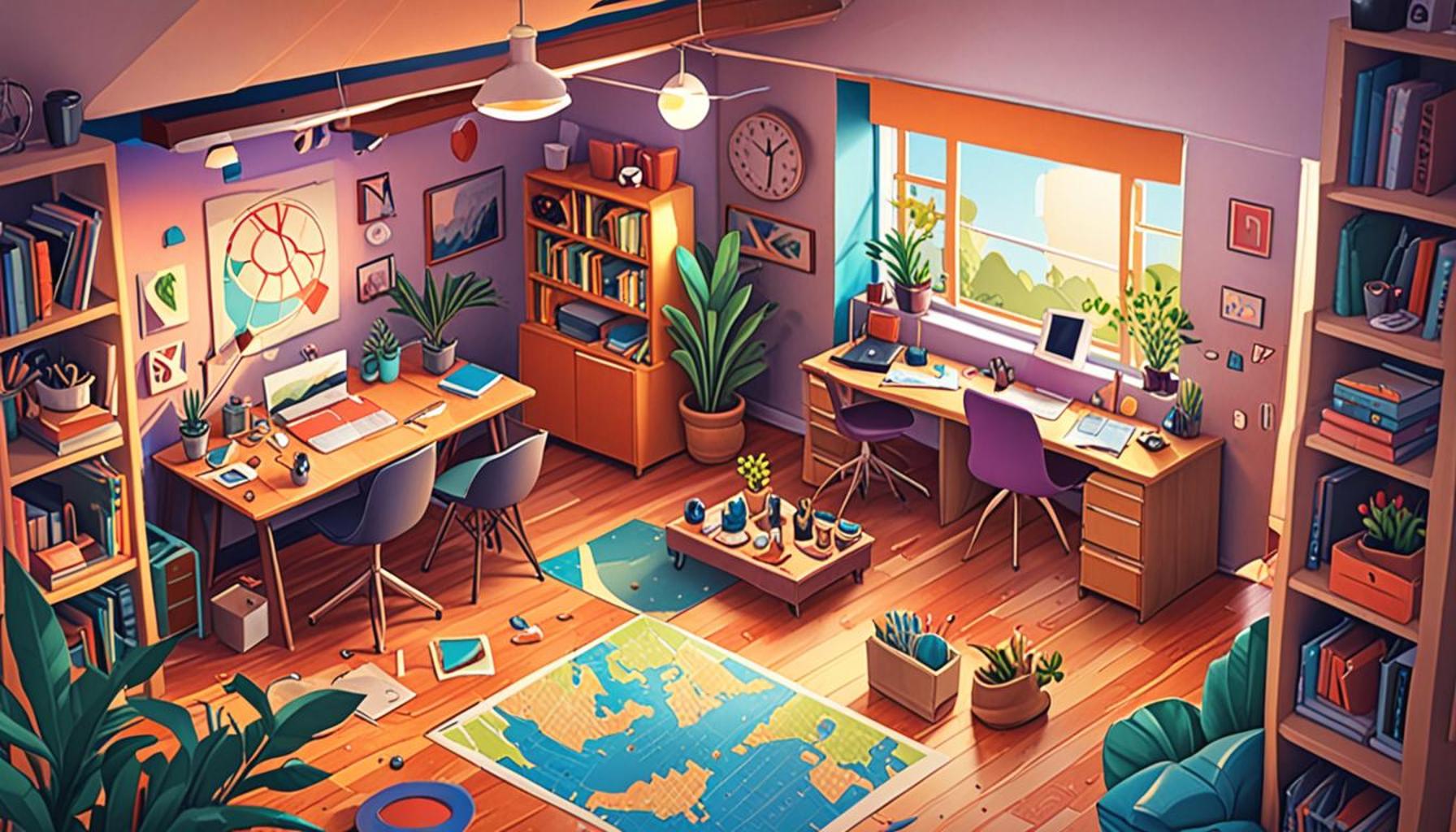
For instance, consider enhanced productivity. In workplaces, a thoughtfully designed environment that minimizes distractions by incorporating designated zones for collaboration, quiet work, and social interactions can greatly streamline workflows. A prime example is how many modern companies, such as Google and Facebook, utilize open office layouts. These designs promote spontaneous conversations and collaborative problem-solving, which often result in innovative ideas and increased morale.
Another critical aspect is improved safety. An efficient spatial layout reduces hazards by ensuring that high-traffic areas are clear and that safety equipment is easily accessible. In schools, strategic classroom arrangements can facilitate better supervision and emergency evacuation routes, ultimately ensuring a safer learning environment for children.
- Optimal resource use: Proper spatial planning ensures that every area serves its purpose effectively, maximizing both space and resources. Businesses that utilize inventory management software can optimize storage layouts, which minimizes the time employees spend searching for materials.
Spatial planning also extends beyond traditional settings like offices and schools; it plays a vital role in urban environments. Urban planners meticulously design public spaces such as parks and plazas to foster community engagement. For instance, the revitalization of Times Square in New York City transformed a chaotic thoroughfare into a pedestrian-friendly area, increasing foot traffic and local business activity while prioritizing visitor safety.
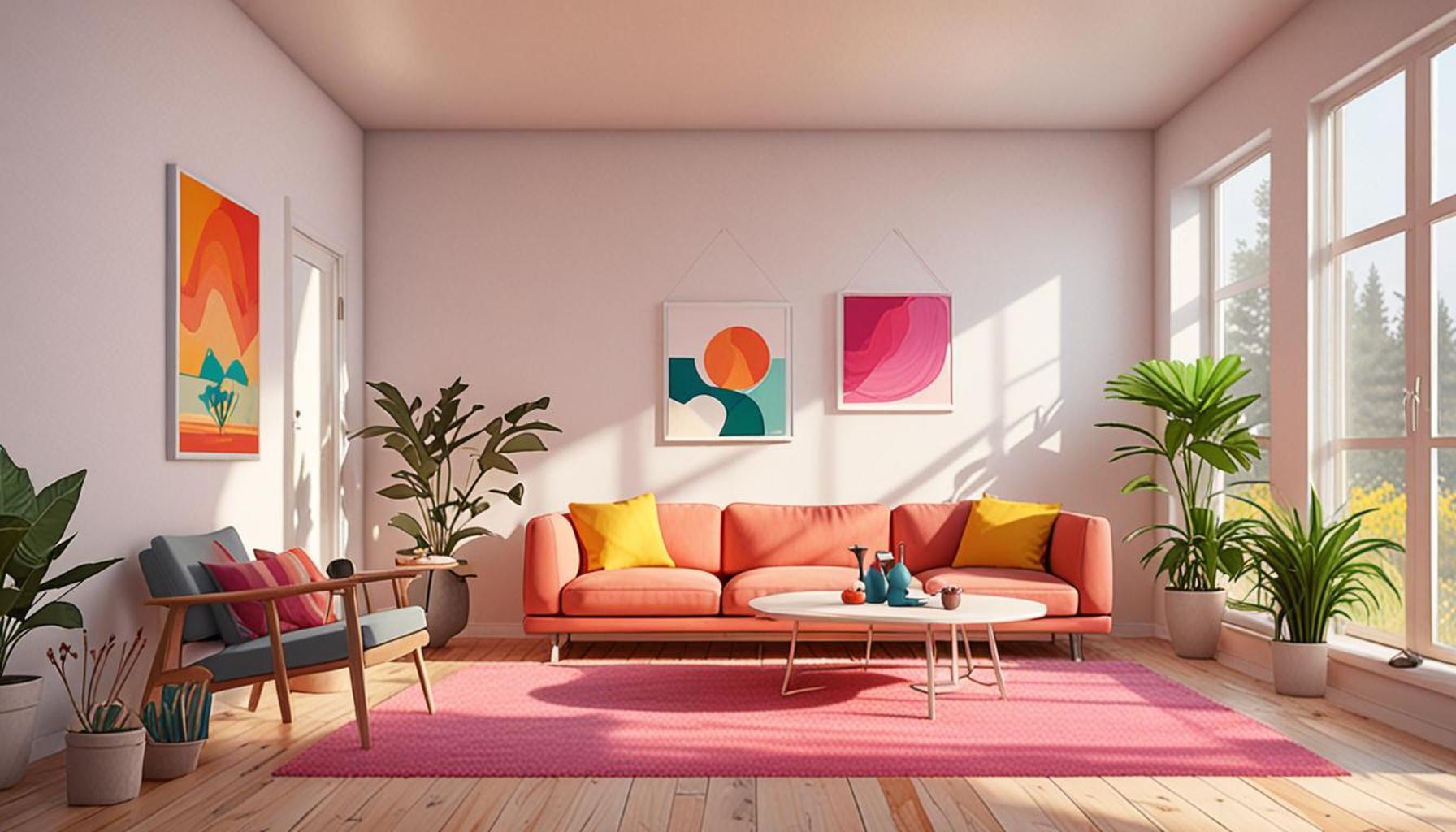
A lesser-known aspect of spatial planning is its influence on home organization. Designing your living spaces for comfort means strategically placing furniture to create functionality while encouraging relaxation. Implementing storage solutions, such as multi-functional furniture or built-in shelves, can significantly improve the flow of your home.
- Event planning: Meticulous arrangements of venues can influence attendance and participation. For example, arranging seating in a circular format can foster more open discussions than traditional row seating.
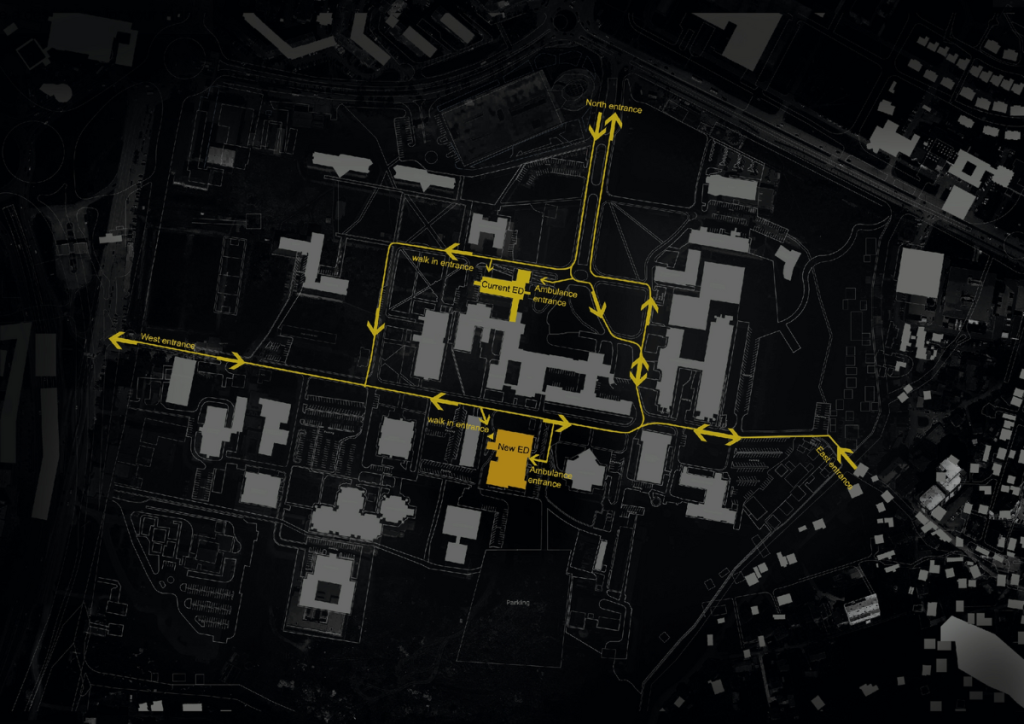
- Healthcare facilities: Facilities optimize patient flow and care through strategic layouts that minimize unnecessary movement for patients and staff alike.
Mastering the art of spatial planning can revolutionize your surroundings. By creating spaces that are not only visually appealing but also functional and safe, individuals and organizations can lead more productive and harmonious lives. As you delve deeper into this subject, the multifaceted benefits of a well-mapped environment become clearer, potentially transforming how we interact with the spaces around us.
DIVE DEEPER: Click here for your ultimate decluttering guide
Understanding the Fundamentals of Spatial Planning
To truly grasp the essence of spatial planning, one must first understand its core principles. At its foundation, spatial planning encompasses not only the physical arrangement of spaces but also the thoughtful consideration of how these areas function collectively. This requires an awareness of human behavior, as the objective is to create environments that cater to both individual needs and collaborative efforts.
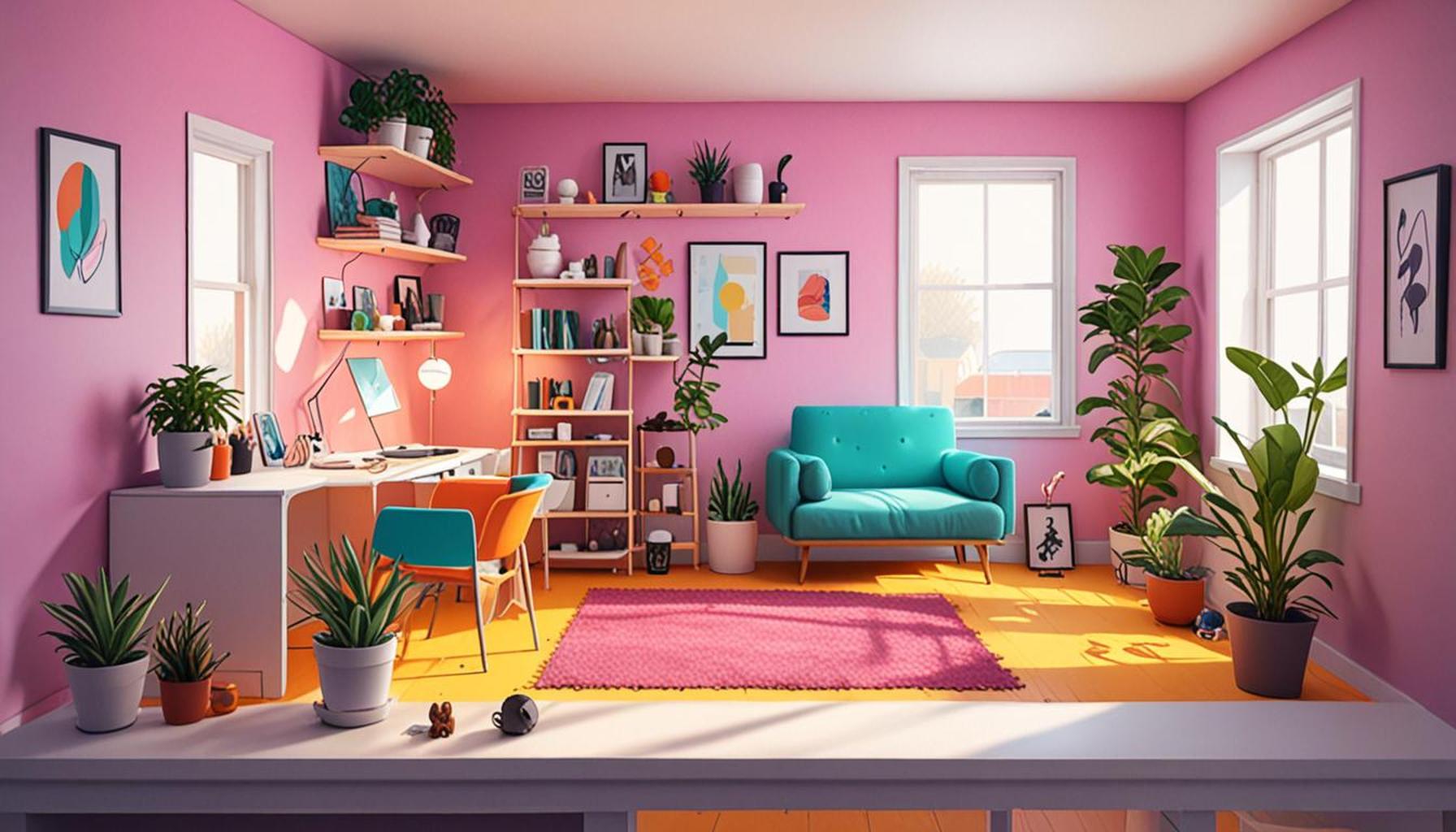
One of the key elements in effective spatial planning is zoning. By dividing spaces into distinct areas based on their functions, you can streamline activities and reduce unnecessary movement. For instance, in an office layout, zoning can segregate quiet work areas from collaborative spaces, ensuring that team members can communicate effectively without infringing on those who need concentration. This is particularly beneficial in high-energy workplaces, where a balance between hustle and focus is essential.
Moreover, spatial planning considers workflow optimization. Personally, think about the way you arrange your kitchen. Keeping utensils within arms-reach of the cooking area while placing the dishwashing station nearby prevents disruption in your workflow, making the cooking process more efficient. In a corporate setting, companies may employ workflow analysis tools to map out the most efficient routes employees take to complete their tasks, allowing for strategic adjustments to the workspace’s layout.
- Accessibility: Ensuring that all areas are easily accessible improves overall productivity. For example, placing commonly used supplies within easy reach decreases time wasted in search of materials.
- Flexibility: Creating adaptable spaces that can accommodate different needs helps facilitate various activities. In educational settings, movable furniture can transform a traditional classroom into a collaborative learning space.
- Technology Integration: Embracing technology in spatial planning, such as digital floor plans or augmented reality tools, can visualize how different layouts function before any physical changes are made.
In addition to improving logistics, spatial planning taps into the emotional and psychological aspects of an environment. For example, the incorporation of natural light and greenery can enhance mood and productivity, creating inviting atmospheres. Research suggests that exposure to natural elements promotes well-being and fosters creativity, ultimately increasing satisfaction in both home and office environments.
Additionally, the impact of color psychology in spatial planning must not be underestimated. Different colors can evoke various emotions and behaviors; for instance, blue tones have been shown to create a calming effect, while vibrant reds can stimulate energy and motivation. By strategically incorporating color schemes that resonate with intended activities, planners can inspire desired outcomes and enhance productivity.
As we explore the myriad ways spatial planning influences daily life, it becomes evident that effective layouts can elevate more than just productivity; they can revolutionize our interactions within these spaces, turning mundane environments into thriving hubs of creativity and collaboration. The journey of refining our surroundings continues, imbued with the promise of heightened efficiency and deeper community connections.
The Impact of Spatial Planning on Productivity
Spatial planning fundamentally reshapes how we perceive and interact with our environments. Effective spatial organization not only enhances aesthetics but also directly influences productivity in both personal and professional settings. By thoughtfully mapping out spaces, individuals can better utilize their surroundings to create an atmosphere conducive to focus and efficiency.For instance, in an office environment, strategic office layouts can promote collaboration among teams while also allowing for quiet areas designated for concentrated work. The careful placement of desks, meeting spaces, and communal areas helps reduce distractions and enhances communication, leading to better teamwork. Studies show that workplaces designed with spatial planning in mind see up to a 25% increase in overall productivity. Additionally, one of the most significant advantages of spatial planning is its impact on mental health. Well-organized environments can minimize stress and promote wellbeing, which is vital in today’s fast-paced world. Areas that balance personal space with interaction opportunities allow individuals to recharge while remaining engaged with their colleagues. This equilibrium can lead to greater job satisfaction and a lower turnover rate.In residential settings, spatial planning can transform homes into organized havens. By decluttering and strategically arranging furniture and storage, homeowners can create spaces that promote relaxation and efficiency. For instance, open floor plans can facilitate movement and connection among family members, positively impacting daily interactions. Recent surveys indicate that homes designed with these principles in mind not only appear larger but also significantly increase homeowner satisfaction.In conclusion, whether in a corporate, community, or home setting, the significance of effective spatial planning cannot be overstated. It not only maximizes efficiency but also nurtures environments that foster creativity, collaboration, and overall quality of life. As our understanding of the importance of these spatial dynamics continues to evolve, the demand for innovative spatial solutions will likely increase.
DISCOVER MORE: Click here to dive deeper
Transforming Spaces for Enhanced Experiences
Beyond the rudimentary aspects of zoning and workflow optimization lies the art of experience design through spatial planning. This concept goes beyond mere functionality; it emphasizes creating environments that evoke a sense of belonging and inspiration. In the contemporary landscape, organizations are increasingly recognizing the invaluable role that thoughtfully designed spaces play in fostering employee engagement and satisfaction.
Consider the rise of co-working spaces as a prime example of innovative spatial planning. These dynamic environments are tailored to meet the needs of diverse groups, from freelancers to large organizations. By incorporating breakout areas, quiet zones, and communal kitchen spaces, co-working facilities not only boost productivity but also nurture a sense of community. According to a study by Harvard Business Review, individuals who work in co-working spaces report feeling more creatively stimulated and socially connected compared to their counterparts in traditional office settings.
Health and Well-being are also critical components of effective spatial planning. The integration of ergonomic design is essential to promote physical comfort, reducing the risk of injuries related to sedentary lifestyles. Adjustable desks and chairs, for instance, encourage flexibility in work posture. Moreover, design choices like open walkways and recreational spaces not only facilitate movement but also contribute to overall mental well-being, as evidence suggests that a healthy work-life balance leaves employees happier and more productive.
- Acoustics: Noise pollution can be detrimental to concentration and morale. Spatial planning should consider soundproofing strategies, such as acoustic panels or soft furnishings, to create a tranquil atmosphere that enhances productivity.
- Collaboration Zones: When planning spaces, dedicating areas specifically for teamwork can empower innovative ideas to flourish. These zones should be equipped with collaborative tools like whiteboards and video conferencing options to encourage participation and dialogue.
- Flow of Movement: The arrangement of furniture and pathways should facilitate seamless transitions between tasks, essentially guiding individuals through their day without disruption. Visual cues within the space can help in delineating different areas while maintaining an open and inviting feel.
The influence of cultural factors also plays a critical role in spatial planning. In diverse environments such as schools and multicultural workplaces, planning must reflect the varying cultural backgrounds of individuals. Incorporating culturally relevant art, décor, or communal gathering spaces not only respects individual identities but also promotes inclusivity and community bonding.
Furthermore, addressing the needs of future generations in spatial planning is becoming paramount. With the emergence of sustainable design principles, planners are tasked with creating spaces that respect both the environment and the communities they serve. Implementing green building strategies, such as energy-efficient systems and sustainable materials, not only reduces the environmental footprint but also creates healthier ecosystems for inhabitants.
In the fast-paced world of today, adaptable spaces have become a necessity rather than an option. By designing environments that can shift according to the needs of their users, organizations can react to changes in technology, work habits, or even global events. An agile approach to spatial planning, marked by modular designs and flexible furniture arrangements, allows spaces to remain relevant and functional over time.
As the significance of well-planned spaces becomes increasingly evident, it is clear that the future of spatial planning lies not just in maximizing efficiency but in enhancing the experience of those who inhabit these environments. Through innovative design strategies that prioritize health, collaboration, and adaptability, we can shape spaces that are not only efficient but truly inspiring.
DISCOVER MORE: Click here to dive deeper
Conclusion: The Path Forward in Spatial Planning
As we navigate an increasingly complex world, spatial planning emerges as a pivotal strategy for enhancing both organizational efficiency and individual well-being. By thoughtfully mapping and organizing environments, we foster not only productivity but also creativity, collaboration, and a deeper sense of community. The transformative power of spatial planning lies in its ability to adapt to evolving needs—whether in a bustling co-working space, a vibrant educational institution, or a culturally rich workplace.
Incorporating vital elements such as ergonomic designs, efficient acoustics, and flexible work zones can lead to significant improvements in health and morale. These thoughtfully curated spaces allow individuals to thrive, ensuring that their physical and emotional needs are met. Furthermore, as we focus on sustainable design principles, our approach to spatial planning can contribute positively to both the environment and the communities we serve.
Ultimately, the future of spatial planning goes beyond maximizing efficiency; it is about envisioning spaces that inspire innovation and foster belonging. As we continue to reevaluate how we design our environments, we must remain open to emerging trends and technologies that can enhance our spaces. By prioritizing adaptability, inclusivity, and well-being, we have the opportunity to create landscapes where individuals can not only perform at their best but also connect meaningfully with one another.
In this ever-evolving landscape, the recognition of the importance of spatial planning will undoubtedly drive organizations toward a brighter, more efficient future. As we embark on this journey, let us commit to creating environments that reflect the diverse needs of individuals, sparking inspiration and collaboration for generations to come.