Transforming Shared Spaces into Personal Sanctuaries: Minimalist Strategies for Communal Areas
Creating Your Own Retreat in Shared Spaces
In urban life, where every square foot counts, transforming shared spaces into personal sanctuaries is becoming increasingly essential. Imagine walking into a communal area that embodies tranquility and simplicity, where functionality meets serenity. The concept of minimalism offers effective strategies to achieve this balance. By understanding and implementing minimalistic principles, individuals can create environments within shared spaces that not only enhance their own well-being but also foster a sense of community.
Why Minimalism Matters
- Clarity of Space: Reducing clutter is a fundamental aspect of minimalism and helps create an atmosphere that is conducive to relaxation. A clutter-free environment can vastly improve the overall aesthetic of any shared area, whether it be an apartment lounge, a co-working space, or a community center.
- Enhanced Focus: A minimalist setup fosters an environment that promotes concentration and creativity. In a shared workspace, for example, fewer distractions can lead to higher productivity levels and a more collaborative atmosphere.
- Emotional Well-being: Simplifying surroundings can significantly impact mental health, promoting feelings of calm and reducing anxiety. For instance, studies have shown that individuals who spend time in decluttered spaces report lower levels of stress and higher satisfaction in their lives.
As you consider minimalist strategies for these communal areas, think about implementing the following elements:
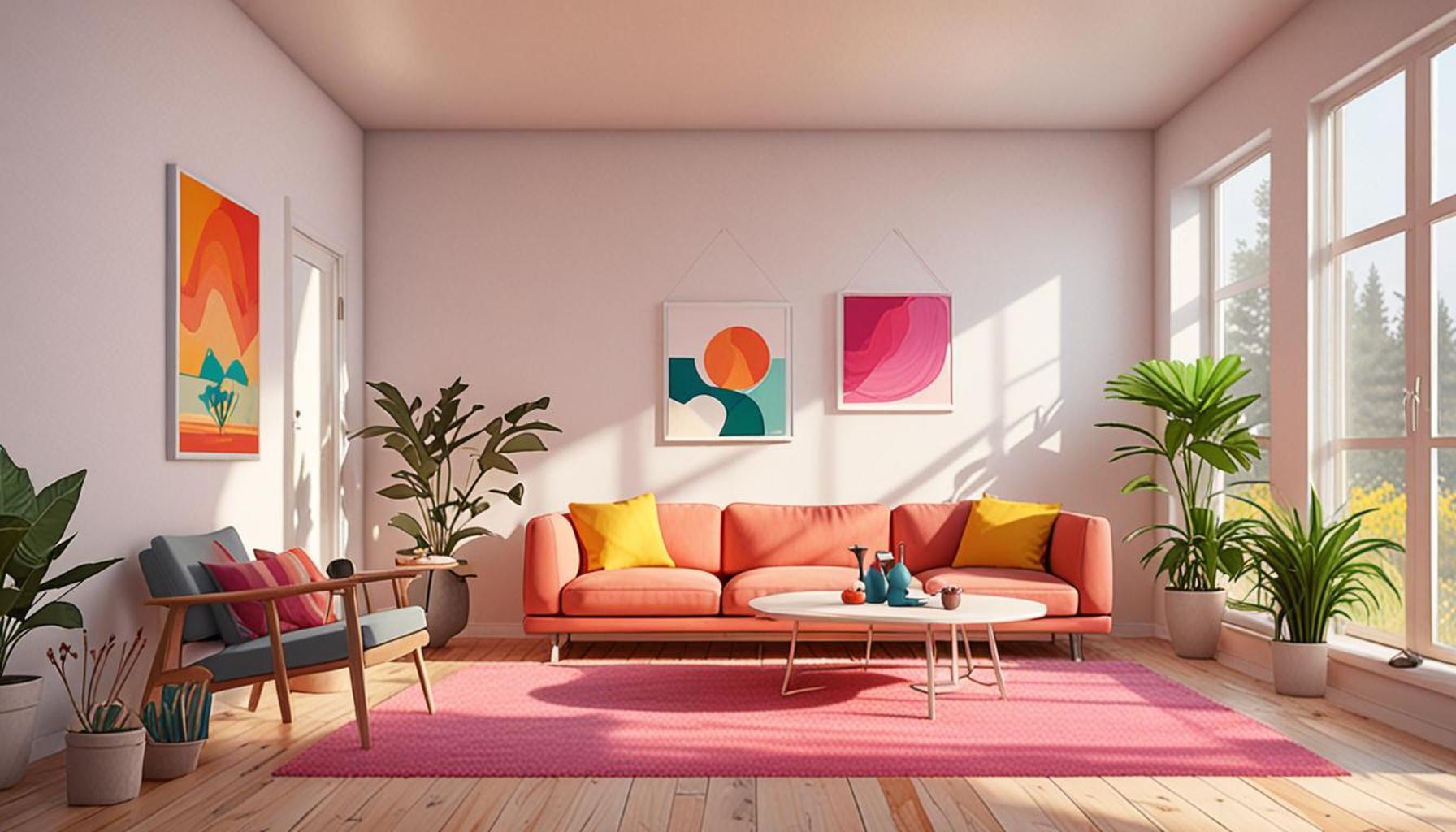
- Color Palette: Opt for soft, neutral tones that can create a soothing ambiance. Colors like beige, light gray, or pastel shades not only enhance mood but also make spaces feel larger and more inviting.
- Multi-functional Furniture: Invest in pieces that serve several purposes, such as a coffee table that doubles as storage or a sofa bed for guests. This approach maximizes utility while minimizing clutter, ensuring that every item in the communal area serves a distinct function.
- Natural Elements: Incorporating plants adds a touch of nature, which can enhance the tranquility of any space. Indoor plants improve air quality and have been linked to increased happiness. Consider easy-to-care-for varieties like snake plants or pothos, which thrive in various conditions.
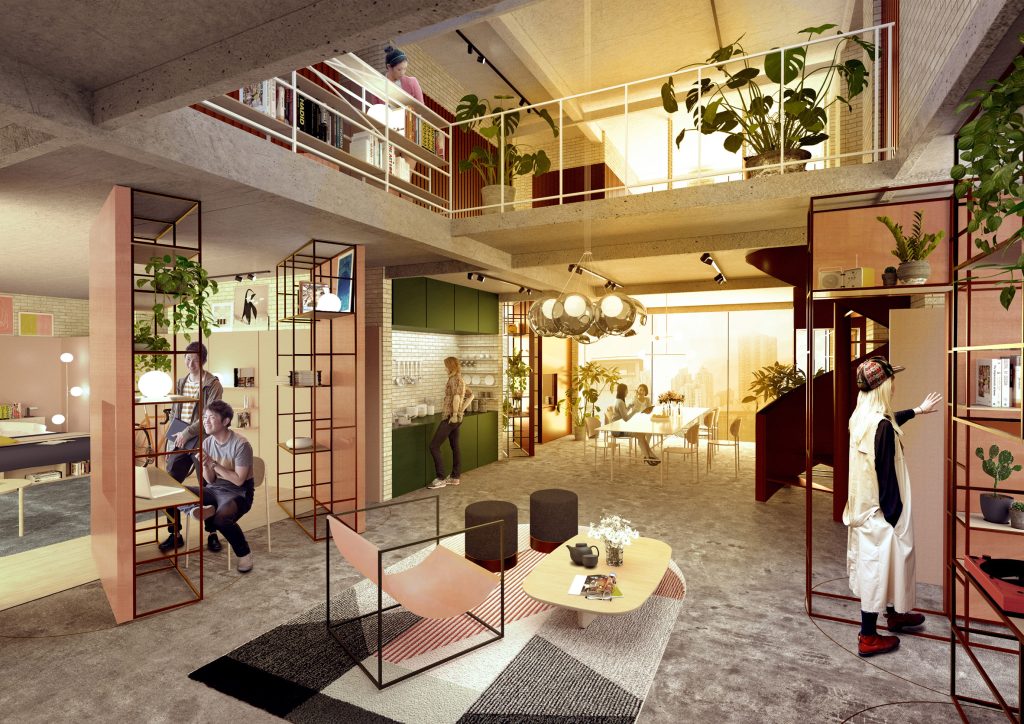
By embracing these minimalist principles, any shared area can be transformed into a nurturing sanctuary that everyone can appreciate. For example, a stark corporate break room can be revolutionized from a basic space into an inviting area equipped with greenery, comfortable seating, and light colors that invite relaxation during breaks. Conversely, co-living environments can use minimalist aesthetics to create inviting communal lounges that encourage social bonding while retaining personal retreat spots.
Join us as we explore specific strategies tailored for diverse communal settings, turning them into personal retreats. The journey to create serene spaces requires thoughtful planning and creativity, both of which are attainable by anyone willing to embrace the power of minimalism.
LEARN MORE: Click here to discover how saying no can transform your time management
Embracing Minimalism for Communal Comfort
As urban dwellers seek to navigate the often chaotic landscape of shared environments, minimalism emerges as a crucial ally in the quest for personal sanctuaries. Beyond mere aesthetics, minimalist approaches encourage a thoughtful re-evaluation of how communal areas are utilized and felt. In cities such as New York, San Francisco, and Chicago, where shared spaces abound, the principles of minimalism can rejuvenate these areas and elevate everyday experiences.
Practical Minimalist Strategies for Shared Spaces
To effectively implement minimalism in communal areas, it’s essential to consider various strategies that prioritize both functionality and comfort. Here are some actionable approaches that can help transform any shared environment:
- Decluttering as a Foundation: The first step towards achieving a minimalist communal space is decluttering. Encourage all residents or users to participate in the process by removing personal items and unnecessary furniture that may overwhelm the environment. Consider organizing community decluttering days, where individuals can gather to streamline the shared areas collectively.
- Streamlined Decor: Minimalism does not mean the absence of decoration; rather, it champions selective, impactful decor. Choose one or two statement pieces—such as a striking piece of wall art or a unique light fixture—that can serve as conversation starters while maintaining an uncluttered look.
- Unified Themes: Establishing a cohesive theme can significantly enhance the feel of a communal area. This might include adhering to a specific color scheme or style, which can bring a harmonious flow to the environment. For instance, industrial-style furniture paired with soft accents can create a balanced aesthetic that invites relaxation.
- Lighting Considerations: The right lighting is vital in cultivating a warm and welcoming atmosphere. Incorporate layered lighting options, such as ambient, task, and accent lighting, to create a dynamic yet serene environment that adjusts to various activities, whether it is quiet reading time or collaborative brainstorming sessions.
- Community Input: Engage the community in the design process; this creates a sense of ownership and respect for shared spaces. Host workshops where residents can express their ideas and preferences which can lead to customized solutions that reflect the collective identity of the group.
In the quest for a sanctuary within shared spaces, understanding the significance of the environment is vital. A minimalist approach not only promotes aesthetic appeal but also encourages mindfulness and togetherness. As residents begin to adopt these strategies, the shared living experience can flourish, converting once-overlooked corners into inviting retreats. Imagine the transformative power of a well-curated space—one that invites connection, creativity, and calm.
As we delve deeper into this topic, the next sections will explore specific adaptations of these minimalist strategies across various communal settings, making them accessible for diverse lifestyles and preferences. With each principle tailored to different needs, anyone can partake in the journey of turning shared spaces into personal sanctuaries.
| Category | Description |
|---|---|
| Zen Zones | Designated areas for relaxation that promote mindfulness. |
| Decluttered Spaces | Removing unnecessary items fosters a calming atmosphere. |
In the quest for creating tranquil environments within communal areas, the concept of Zen Zones emerges as a transformative idea. These spaces serve as dedicated areas where individuals can retreat for meditation or quiet reflection, providing a necessary respite from the hustle and bustle of everyday life. By incorporating elements such as soft lighting, natural materials, and textured cushions, these zones become personal sanctuaries that encourage relaxation and rejuvenation.Another key strategy involves focusing on decluttered spaces. Minimalism plays a critical role in establishing these environments. By carefully selecting what to keep in communal areas and removing distracting elements, one creates a serene atmosphere conducive to relaxation and focus. The art of decluttering not only minimizes visual distractions but also allows the remaining essentials to shine, making each item purposeful and significant. Incorporating various minimalist strategies into shared spaces reinforces the notion that communal areas can exist harmoniously alongside personal needs, and transforms them into sanctuaries that cater to both tranquility and connection.
DISCOVER MORE: Click here to read about mastering the art of saying no
Creating Multifunctional Spaces Through Minimalism
As minimalism continues to guide how we perceive and interact with shared environments, it’s important to recognize its potential in enhancing functionality. The goal of effective communal areas is to cater to the diverse needs of users, facilitating both relaxation and meaningful engagement. To achieve this, implementing multifunctional elements is paramount. Here are a few strategies that can help achieve versatility in shared spaces:
Versatile Furniture Choices
The furniture selected for communal areas plays a pivotal role in transforming the experience of these spaces. Consider opting for modular furniture that can be easily rearranged or customized to suit various activities. For example, stackable chairs and tables that can be moved and stored away when not in use can maximize floor space, allowing for more open areas during relaxed gatherings. Equipping spaces with benches with storage options provides not only seating but also practical hidden storage to further reduce clutter.
Flexible Layouts
A minimalist approach encourages the fluidity of space. Rather than rigidly dedicating areas for specific activities, designing layouts that allow for adaptation is essential. Using area rugs to define different zones within the same room can visibly delineate spaces without the need for physical dividers. An area rug can suggest a reading nook on one side while maintaining an open floor plan for group interactions on another. By allowing residents or users to rearrange spaces as needed, communal areas can become dynamic environments that foster creativity.
Nature as a Central Element
Incorporating elements of nature is a powerful minimalist strategy that enhances well-being in shared spaces. Biophilic design, which emphasizes the connection between people and nature, can be achieved through the use of plants, natural materials, and abundant natural light. For instance, creating a small indoor garden or using potted plants can not only purify the air but also create soothing corners where residents can retreat for solitude amidst the busyness. Large windows or skylights combined with a simple palette of neutral colors can further invite tranquility, making shared spaces feel more open and less encumbered.
Intentional Sound Design
A lesser-known aspect of minimalism is its emphasis on sound design. Noise can greatly impact the atmosphere of communal areas, often detracting from their intended use. Thoughtfully selecting materials and layouts that mitigate sound can foster a peaceful environment. Acoustic panels, soft textiles, and strategic plant placements can help absorb noise, allowing for quieter spaces conducive to reflection or study. Moreover, integrating gentle white noise through elements like water features can create a calm ambiance that promotes relaxation.
- Shared Memories: Incorporate a communal board where residents can pin up memories, messages, or ideas—serving as a collaborative space for creativity while maintaining a sleek, minimal appearance.
- Artisanal Elements: Engage local artists to contribute unique, minimalist art that embodies community values. Artwork that is intentional yet subtle can enhance aesthetics and offer inspiration without overwhelming the senses.
These strategies underscore the innate ability of minimalism to create nurturing, multifunctional environments in shared spaces. By prioritizing thoughtfully curated elements, shared communities can serve as sanctuaries that embrace both individuality and togetherness, paving the way for a new sense of living harmoniously.
DISCOVER MORE: Click here to transform your space
Conclusion: Embracing Minimalism for Meaningful Communal Experiences
In the quest to transform shared spaces into personal sanctuaries, minimalism serves as a powerful catalyst for fostering both functionality and serenity. By embracing versatile furniture choices, we can create adaptable environments that cater to a myriad of activities, ensuring that communal areas evolve alongside their users’ needs. Moreover, adopting flexible layouts allows these spaces to breathe, encouraging spontaneous interactions and creativity that enrich the communal experience.
Incorporating elements of nature through biophilic design fundamentally enhances the emotional and psychological well-being of individuals within these environments, promoting a restorative atmosphere amidst the chaos of everyday life. Additionally, paying attention to intentional sound design is crucial in nurturing a space where tranquility reigns, creating an inviting backdrop for both connection and solitude.
Ultimately, the process of transforming shared spaces into personal sanctuaries requires intentionality, creativity, and a minimalist approach that values simplicity above excess. As we elevate these communal areas into versatile havens, we not only respect individual needs but also contribute to fostering a sense of community. By championing the principles of minimalism, we can cultivate environments that not only resonate with reduced clutter but also promote wellbeing, reflection, and meaningful interactions that enrich our everyday lives. It is here, at the intersection of simplicity and connection, that communal spaces can truly thrive as personal sanctuaries for all.