
Creating a Minimalist Workspace: Tips to Increase Efficiency and Reduce Stress
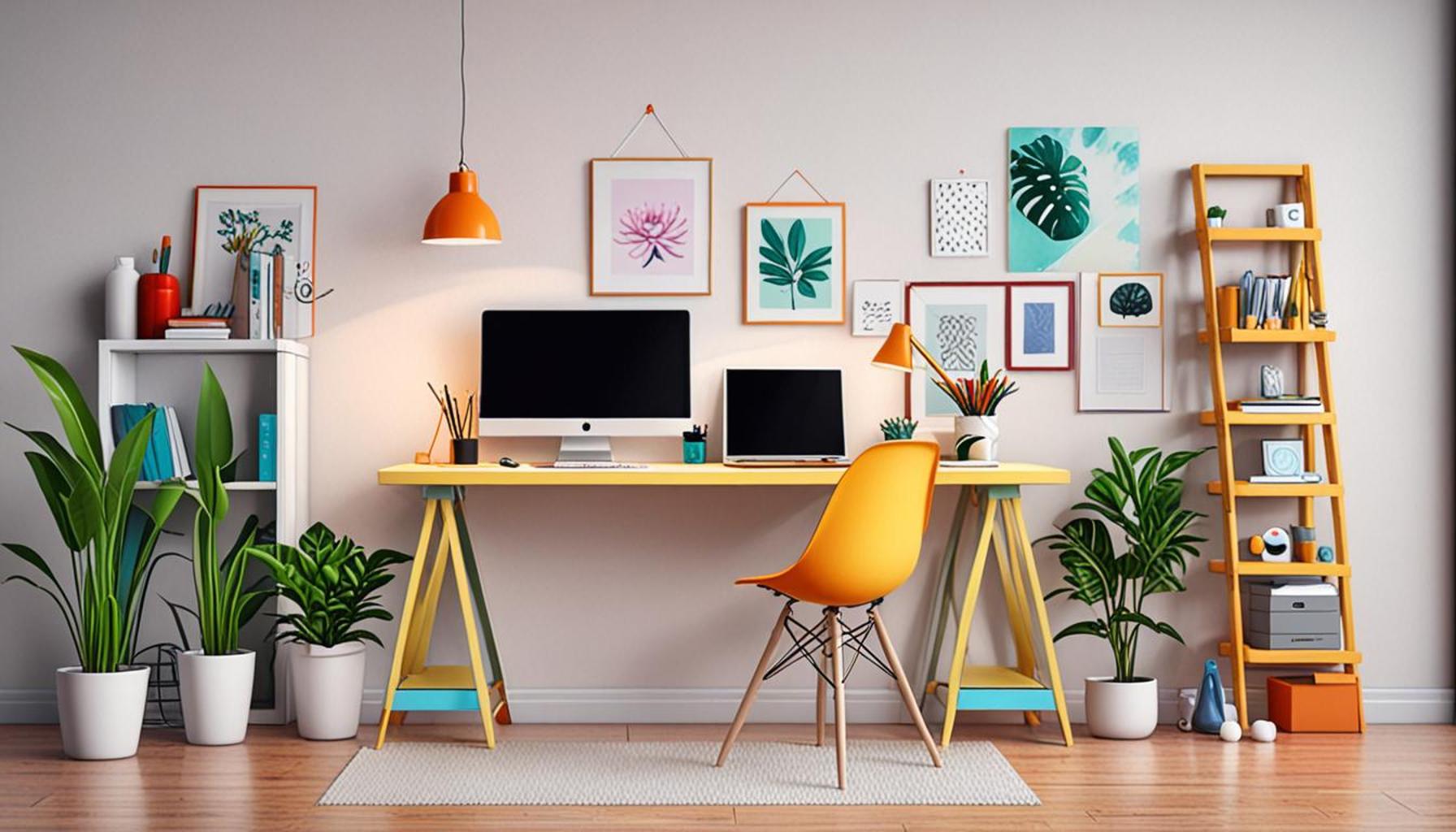
Creating a Space That Fosters Productivity
In today’s fast-paced world, distractions abound, making it increasingly difficult for individuals to focus and achieve their desired productivity levels. A minimalist workspace serves as a crucial strategy to unlock one’s potential, promoting efficiency while significantly reducing stress. By simplifying your surroundings, you create an environment that not only fosters creativity but also enhances concentration, allowing you to reach your goals with greater ease.
So, what exactly constitutes a minimalist workspace? Here are some essential features to consider incorporating into your work environment:
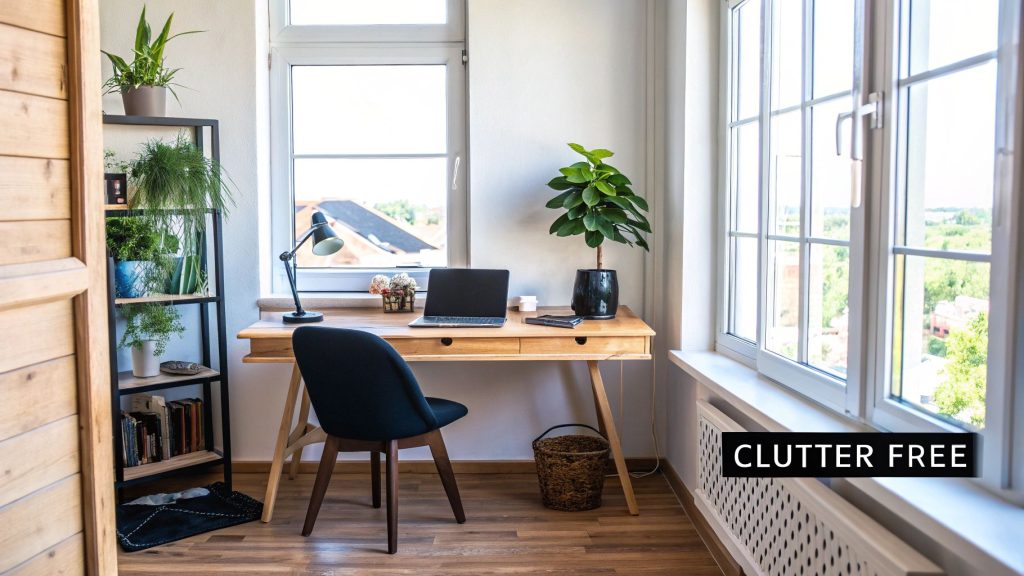
- Decluttered Surfaces: Clearing away unnecessary items is crucial. A tidy desk free from clutter allows the mind to focus on the task at hand rather than being distracted by random objects. Even a simple coffee cup can serve as a mental distraction if left unattended.
- Organized Storage: Implementing effective storage solutions, such as using labeled folders, file cabinets, or digital organization tools, can keep essential documents organized and easily accessible. This not only saves time but also enhances your ability to manage projects efficiently.
- Neutral Color Palette: Choose calming colors such as soft blues or muted greens for your walls and decor to promote a tranquil atmosphere. Studies in color psychology indicate that certain hues can influence mood and productivity, making this a vital aspect of your workspace design.
Research supports the notion that a clutter-free environment can lead to greater focus and enhanced mental clarity. For instance, individuals who adopt minimalism often report:
- Improved Focus: With less visual noise, it becomes easier to concentrate on the task at hand, akin to how a quiet library aids in studying.
- Reduced Anxiety: A streamlined space can lower stress levels, creating a sense of calm similar to that found in a spa environment.
- Increased Productivity: A clean and organized workspace encourages efficiency, much like how a well-structured plan leads to successful outcomes.
Whether you’re working from home in a cozy nook or in a bustling corporate office, implementing minimalist principles can significantly transform your professional life. Incorporating actionable tips, such as establishing a “one in, one out” rule to manage incoming items and regularly reassessing your workspace, can help maintain a minimalist aesthetic over time.
As we continue to explore this topic, stay tuned for deeper insights and practical strategies to create a minimalist workspace uniquely suited to your individual needs and preferences. After all, the environment you create plays a pivotal role in shaping your productivity and overall well-being.
DIVE DEEPER: Click here to discover more
Essential Steps for a Minimalist Workspace
Achieving a minimalist workspace is not merely about removing excess items from your desk; it’s about adopting a mindset that prioritizes clarity and efficiency. To successfully create a workspace that aligns with minimalist principles, you can follow a series of practical and easily implementable steps designed to enhance both productivity and tranquility. Here are key strategies to consider:
- Evaluate Your Current Space: Before diving into the minimalist journey, take time to assess your current workspace. Identify which items are essential and which items often contribute to distractions. Consider conducting a visual audit by taking a photo of your workspace to spot areas needing improvement.
- Set Specific Limitations: Adopt strict guidelines regarding the number of items allowed on your desk. For instance, you might decide to have no more than five items visible at any one time. This limitation forces you to prioritize what truly matters for your work and keeps your environment uncluttered.
- Incorporate Multi-functional Furniture: Invest in furniture that serves dual purposes, such as desks with built-in storage or chairs that can accommodate both seating and storage. This will help you maintain a tidy workspace without compromising on utility.
Additionally, your technological landscape should not be overlooked when curating a minimalist workspace. Digital clutter can be just as overwhelming as physical clutter. To combat this, consider these key actions:
- Streamline Digital Files: Regularly declutter your digital devices by organizing files into designated folders and deleting unnecessary documents. Use cloud storage to minimize local storage needs and access files from anywhere, promoting a more fluid workflow.
- Limit Notifications: Turn off non-essential app notifications on your devices. The constant pings can create a fragmented mindset and disrupt workflow, making it harder to focus on important tasks.
- Utilize Productivity Tools: Consider using productivity applications such as digital planners or to-do list apps that not only simplify task management but also provide reminders and organization features that align with your minimalist lifestyle.
Research indicates that people who actively engage in *minimalism* report a higher sense of control over their work and lives. Shifting to a minimalist workspace empowers you to take charge of your environment, allowing you to focus on what truly matters without distraction. Furthermore, a minimalist setting can alleviate feelings of overwhelm, enabling a clearer and more organized thought process.
Investing time and effort into cultivating a workspace free from distractions can lead to a remarkable boost in efficiency and mental well-being. In the following sections, we will delve deeper into additional strategies for refining your minimalist workspace, along with personal insights from those who have embraced this transformative approach to productivity.
Essentials of a Minimalist Workspace
Creating a minimalist workspace is more than just decluttering your desk; it’s about fostering an environment that enhances your focus and reduces distractions. Start by identifying the clutter in your workspace. This might include unnecessary office supplies, outdated documents, or gadgets that rarely see use. By eliminating these items, you pave the way for a calmer, more organized area that encourages productivity.
Organizational Tools and Techniques
Employing organizational tools like drawer dividers and cable management systems can transform your space into a serene haven. Consider using digital tools like task lists or project management software, which can further streamline your workflow while minimizing physical clutter. As you enhance organization, you’ll discover improved efficiency that directly correlates with a decrease in workplace stress.
Color and Lighting
The psychological impact of color cannot be underestimated in a workspace setting. Opting for whites, greys, or soft pastel tones can create a tranquil environment conducive to concentration. Additionally, ensuring you have adequate natural light or investing in adjustable LED lighting can alleviate strain on the eyes, allowing for longer periods of focused work without the accompanying fatigue.
Workspace Ergonomics
Lastly, pay attention to the ergonomics of your workspace. An uncomfortable chair or poorly positioned computer screen can become significant sources of stress and distraction. Invest in ergonomic furniture—like a chair that promotes good posture and a desk at the right height—to maintain comfort and prevent fatigue, thereby enhancing your overall efficiency.
| Category | Benefits |
|---|---|
| Decluttering | Reduces distractions and promotes focus |
| Organization Tools | Enhances efficiency and clarity in task management |
| Color Psychology | Creates a tranquil environment promoting creativity |
| Ergonomics | Prevents physical discomfort, enabling sustained focus |
By embracing these minimalist principles, you can transform not only your workspace but also your overall work experience, resulting in a more balanced and productive professional life.
DISCOVER MORE: Click here to enhance your space
Designing for Efficiency: The Aesthetics of Minimalism
Beyond decluttering physical and digital spaces, the design elements of your workspace play a fundamental role in creating a minimalist environment conducive to efficiency and calm. Thoughtful selection of colors, lighting, and decorative elements can profoundly impact your mood and productivity levels. Here’s how to make aesthetic choices that align with a minimalist philosophy:
- Choose a Neutral Color Palette: Opting for neutral colors—such as whites, grays, and earth tones—can create a serene backdrop that reduces visual noise. Research has suggested that colors can influence productivity; soothing tones can enhance focus, while overly bright or complex colors can be distracting.
- Maximize Natural Light: Position your workspace near windows to take full advantage of natural light. Adequate lighting not only enhances mood but also reduces eye strain, promoting a more productive atmosphere. If daylight is limited, consider utilizing soft, warm-toned desk lamps to create a cozy ambiance.
- Incorporate Greenery: Adding live plants can improve air quality and lend a sense of tranquility to your workspace. Several studies have indicated that being around nature, even in small doses, can lower stress levels and boost creativity. Consider low-maintenance options like succulents or snake plants that can thrive in various lighting conditions.
As you develop your minimalist workspace, organization systems should also take center stage. Implementing strategic systems can aid in maintaining a clear space while reducing clutter over time:
- Utilize Vertical Space: Shelving units can help you organize materials without consuming valuable desk space. Items that are seldom used should be stored above eye level, freeing up your desk for essential everyday tools like your computer, notebook, and writing implements.
- Establish a Daily Routine: Align your workspace organization with a consistent daily routine. Setting a specific time each day to tidy your desk can cultivate discipline and allow for a more managed and pleasant workspace. This could involve routine acts like filing paperwork, reprioritizing tasks, or simply cleaning surfaces.
- Create “Zones”: If your work requires various tasks, consider designing specific zones within your workspace. For example, a dedicated area for digital work, another for paperwork, and a relaxation corner for brief mental breaks can delineate responsibilities and reduce overwhelming feelings.
Moreover, integrating mindfulness practices within your workspace can contribute to a conducive environment. Simple techniques such as two-minute stretch breaks or breathing exercises can significantly alleviate stress. Creating a small designated space for quick mindfulness practices, like a meditation cushion or breathing space, can further enhance your workspace’s tranquility.
The move toward a minimalist workspace is not a momentary fix, but rather a continued commitment to fostering a serene and productive environment. By prioritizing organization, design aesthetics, and incorporating mindfulness within your workspace, you set the stage for sustained efficiency and stress reduction. With each step you take, you’ll discover how these concepts intertwine, revealing a workspace that mirrors both clarity and purpose, empowering you to achieve your goals effortlessly.
DISCOVER MORE: Click here to learn about the psychological benefits of decluttering
Conclusion: Embracing Minimalism for Enhanced Productivity
As we navigate the complexities of modern work life, creating a minimalist workspace emerges as a powerful strategy to increase efficiency and reduce stress. By focusing on essential elements—decluttering physical and digital realms, selecting calming colors, and maximizing natural light—individuals can cultivate an inviting environment that promotes clarity and concentration. The incorporation of greenery not only enhances aesthetics but also contributes to better air quality and mental well-being, reaffirming the symbiotic relationship between our surroundings and our productivity.
Moreover, establishing effective organization systems is critical in maintaining this minimalist ethos. Techniques like utilizing vertical space, creating specific work zones, and adhering to a consistent cleaning regimen can significantly streamline workflow, preventing the build-up of clutter that often leads to overwhelm. Incorporating mindfulness practices further enhances this tranquility, providing essential breaks that refresh and reset the mind, making it better equipped to tackle the demands of the day.
Ultimately, the journey toward a minimalist workspace is ongoing and deeply personal, one that invites continual reflection and adjustment. By intentionally curating our work environments and fostering habits that support simplicity, we create a foundation for sustainable productivity and mental clarity. As you explore these strategies, remember that achieving a minimalist workspace is about aligning your physical space with your mental and emotional needs—empowering you to face challenges with confidence and grace, and unlocking your full potential in both your professional and personal endeavors.