Simplicity in Interior Design: Creating Calm and Functional Environments
Cultivating a Peaceful Space Through Minimalism
As society navigates through the complexities of modern living, the pursuit of a peaceful atmosphere within the home has become a fundamental desire for many individuals and families. With the principle of simplicity in interior design, homeowners are empowered to curate spaces that not only appeal to the eye but also nurture the soul. The minimalist approach goes beyond mere visual aesthetics; it cultivates a lifestyle that emphasizes serenity and efficiency.
Benefits of Simplistic Design
The essence of minimalism is deeply rooted in fostering environments that evoke calmness and productivity. Adopting simplistic design philosophies can reshape one’s domestic experience profoundly. Here are some vital benefits:
- Reduced Clutter: By decluttering and organizing, people can turn chaotic spaces into orderly havens. This reduction in physical clutter often translates to a significant decrease in mental clutter, allowing individuals to focus on what truly matters.
- Enhanced Focus: Spaces characterized by simplicity not only look clean but also promote mental clarity, enabling residents to concentrate better on their tasks, whether working from home or enjoying leisure activities.
- Timeless Appeal: Minimalist design often incorporates classic design elements, which means that as trends change, these intentional choices remain relevant and stylish. For instance, a well-chosen piece of furniture can serve as a lasting focal point in a room, rather than a fleeting trend.
The realization that simplicity enhances both beauty and functionality is gaining traction, particularly in densely populated urban locales like New York City and San Francisco, where space is a precious commodity.
Key Features of Simple Interiors
Exploring the world of minimalistic design reveals several key features that define simple yet sophisticated interiors. Incorporating these elements can help in achieving serenity:
- Natural Light: Maximizing daylight through large windows or strategically positioned mirrors can significantly uplift the mood within a space. Sunlit rooms often feel more inviting and vibrant, engendering a positive atmosphere.
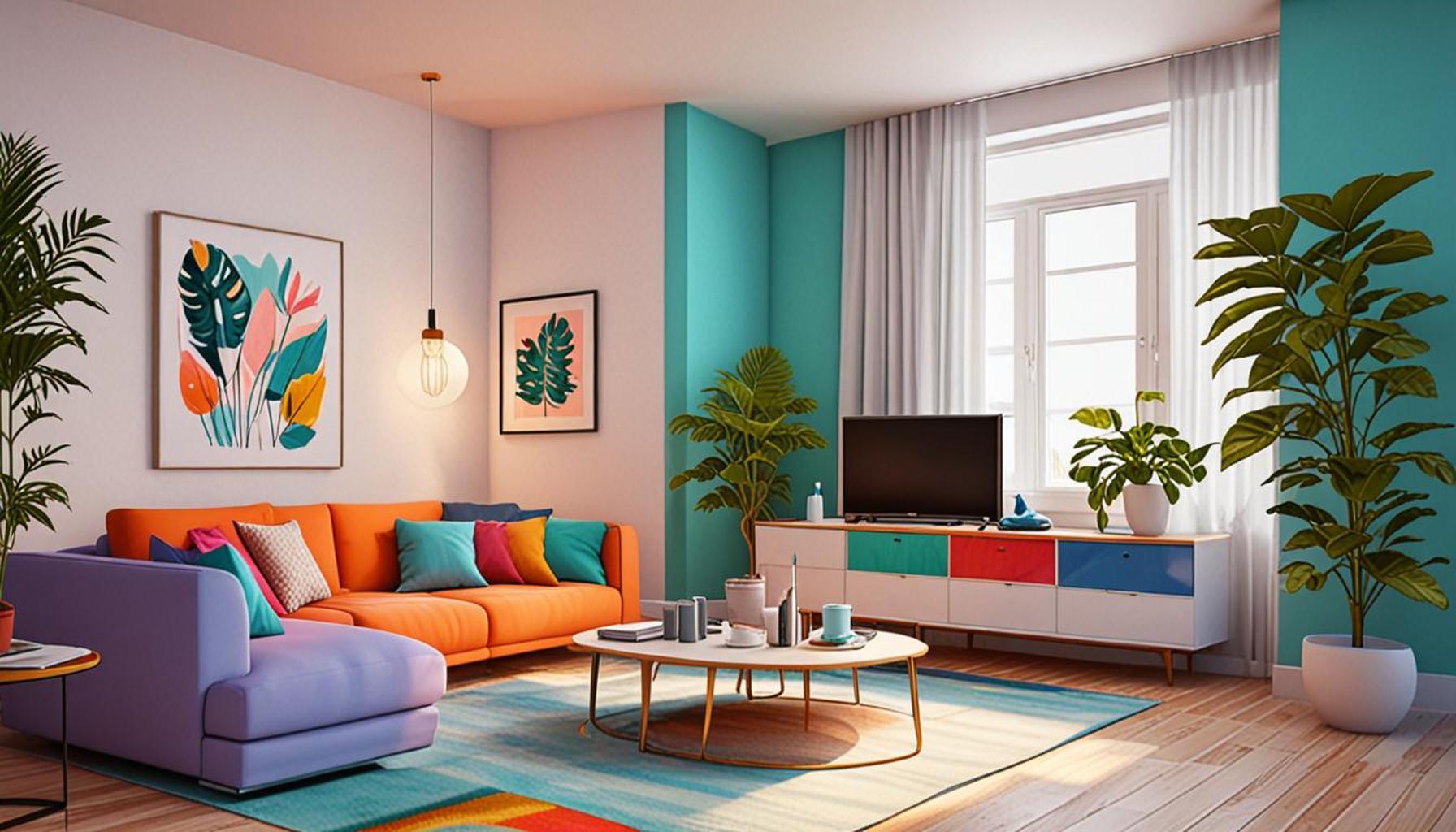
- Neutral Color Palettes: Subtle tones, such as whites, beiges, and soft grays, create a soothing backdrop that encourages relaxation. These colors can be enhanced with colorful artwork or plants, striking a balance between minimalism and personality.
- Functional Furniture: The use of versatile pieces such as a coffee table that doubles as storage or a sofa bed can help make the most of limited square footage, especially in smaller homes or apartments.
For those intrigued by the impact of minimalism on their interiors, numerous resources and design guides are available. Engaging with these concepts not only offers insights into creating a tranquil environment but also invites the opportunity to enjoy a more organized, fulfilling lifestyle. Whether you start with small changes or undertake a complete transformation, the journey towards a peaceful home through minimalism is undoubtedly a rewarding one.
DISCOVER MORE: Click here to learn how to transform your space
Embracing Simplicity: A Pathway to Tranquility
The journey towards achieving a serene home begins with embracing the core principles of minimalism. This approach not only involves selecting fewer items to fill a space but also requires a thoughtful examination of what truly serves a purpose and brings joy. By putting an emphasis on quality over quantity, homeowners can foster environments that are both aesthetically pleasing and functionally efficient.
Essential Elements of Minimalist Decor
Understanding the fundamental building blocks of minimalist design can significantly enhance the experience of creating a harmonious living environment. The following elements are pivotal:
- Open Spaces: One of the key aspects of minimalist design is the incorporation of open areas that allow for free movement and breathing space. By optimizing traffic flow and avoiding overcrowding, these spaces inspire a feeling of freedom and relaxation.
- Focused Focal Points: Minimalist interiors benefit from the strategic placement of focal points, such as a single piece of art or a unique furniture item. These deliberate choices draw the eye and direct attention, avoiding the chaos that multiple competing elements can produce.
- Natural Materials: Using elements like wood, stone, and metal enhances the connection between interiors and the natural world. These materials are not only durable but also introduce warmth and texture, creating a balance between simplicity and richness.
- Thoughtful Textures: In minimalism, texture plays a critical role in adding depth without cluttering the visual landscape. Soft textiles in rugs and throws can coexist with harder surfaces like glass or metal, creating an engaging but tranquil balance.
Moreover, thoughtful planning regarding storage solutions can elevate minimalist design further. Integrated storage, such as built-in cabinets or multifunctional furniture, helps keep surfaces clear and reduces the temptation to accumulate unnecessary items. This balance of storage and aesthetic contributes greatly to the concept of creating calm and functional environments.
Finding the Right Balance
To successfully navigate this minimalist journey, homeowners should strive to find a balance that resonates with their personal style while adhering to the principles of simplicity. It is crucial to evaluate existing possessions and ask the pivotal questions: Does this item serve a practical function? Does it evoke joy in my daily life? Making intentional decisions about furniture and decor can lead to the decluttering process, paving the way for a space that revitalizes the mind.
Furthermore, incorporating plants within minimalist spaces can significantly enhance the ambiance, introducing a touch of greenery that promotes tranquility and adds life to the clean lines of a simplified aesthetic. Studies suggest that greenery not only purifies the air but also elevates mood and reduces stress.
As homeowners embark on this exploration of minimalist design, they may find themselves drawn to various styles and interpretations. Nevertheless, the heart of simplicity lies in creating spaces that restore calm and foster functionality while allowing individual expression. Engaging with these elements not only transforms physical environments but can also invite a revelatory shift in mindset.
Simplicity in Interior Design: Creating Calm and Functional Environments
In a world overwhelmed by constant stimulation and visual noise, simplicity in interior design serves as a sanctuary. Emphasizing clean lines, minimal furnishings, and muted color palettes, this design philosophy prioritizes tranquility while maximizing functionality. By carefully curating elements within a space, homeowners can achieve harmony and balance, resulting in an environment conducive to relaxation and productivity.
Essential Elements of Simplicity
Key aspects of achieving simplicity in interior design include:
- Decluttering: Removing unnecessary items promotes a sense of peace, allowing for clearer focus and a more functional space.
- Natural Light: Harnessing natural light not only enhances aesthetic appeal but also positively impacts mood and well-being.
- Neutral Color Schemes: Opting for soft, muted colors creates an inviting atmosphere, reducing visual stress.
Each of these elements is integral to fostering calm environments that inspire creativity and wellness.
The Role of Functionality
It is essential to emphasize that simplicity does not equate to minimalism alone; it encapsulates functionality as well. Multi-functional furniture, like expandable tables or sofa beds, ensures that spaces remain versatile without being cluttered. Moreover, strategically placed storage solutions maintain order, allowing every item to have its designated place.
Investing time in understanding how spaces are utilized and what items genuinely serve a purpose greatly contributes to creating a serene environment. With the right blend of simplicity and functionality, interior spaces can evoke warmth, calm, and efficiency, ultimately enhancing the quality of life for occupants.
| Category 1 | Category 2 |
|---|---|
| Peaceful Atmosphere | Promotes relaxation through uncluttered space |
| Enhanced Functionality | Maximizes utility with purposeful design elements |
Ultimately, simplicity provides a refreshing shift from the chaos of modern life, enabling individuals to cultivate environments that reflect their values of calm and functionality. Understanding the principles behind this approach encourages more thoughtful interactions with our living spaces.
DISCOVER MORE: Click here to simplify your space
Curating a Mindful Space: The Role of Color and Lighting
A key element that profoundly influences the ambiance of minimalist interiors is the careful selection of color and lighting. These components work together to establish a cohesive environment that promotes serenity and functionality.
Color Palettes that Sooth
In minimalist design, the choice of color palette is paramount. A neutral color scheme characterized by whites, beiges, and grays creates a calm backdrop, allowing for an uncluttered visual experience. This foundation encourages homeowners to introduce bold accents selectively, such as a single piece of vibrant artwork or decorative items, allowing them to shine against the subdued backdrop.
Moreover, incorporating soft pastel tones can infuse a space with warmth without overwhelming the senses. Colors like pale blues or soft greens evoke a sense of nature and tranquility, promoting relaxation. For those who seek a touch of modernity, darker shades, such as charcoal or navy, can serve as grounding elements while still adhering to a minimalist approach. The secret lies in achieving a harmonious balance that resonates with personal taste while maintaining simplicity.
Lighting: The Subtle Art of Illumination
Just as colors define a room’s mood, lighting plays an equally vital role in shaping one’s experience within a space. Opting for natural light is the ideal way to create an inviting atmosphere, as sunlight enhances the connection between the indoors and outdoors. Large windows, skylights, or even strategically placed mirrors can reflect light and give the illusion of a larger room.
At night, soft artificial lighting should prevail to maintain the serene vibe. Floor lamps, pendant lights, and dimmable fixtures allow homeowners to control the ambiance, tailoring it to their needs. The implementation of warm light bulbs can evoke a cozy atmosphere, making evenings at home feel welcoming. Moreover, smart lighting technology offers flexibility for different scenarios, allowing users to create the perfect settings for relaxation, reading, or entertaining.
The Impact of Decluttering and Mindfulness
Decluttering plays a crucial role in achieving simplicity in interior design. A dedicated effort to remove excess items not only clears physical space but also cultivates a mindful environment. This practice enhances clarity of thought and reduces anxiety levels often brought about by overabundance. As one eliminates distractions, the remaining items can become meaningful focal points.
Mindfulness also extends to the selection of decor. Consider incorporating fewer high-quality items, such as artisan crafts or handmade furnishings, that tell a story rather than allowing trinkets to accumulate. Each piece should serve a purpose, contributing to the overall functionality of the space while enriching the aesthetic.
Functional Furniture: Design Meets Purpose
The integration of functional furniture is a hallmark of minimalist design. Furnishings should serve dual purposes, contributing to the aesthetic without compromising practicality. Take, for instance, a bench that doubles as storage or a coffee table with integrated bookshelves. Such pieces exemplify the harmony between form and function, making living areas more adaptable without sacrificing style.
Ultimately, the pursuit of simplicity in interior design embraces both intentionality and joy. By focusing on color, lighting, decluttering, and functional furniture, homeowners can create serene environments that naturally invite calmness while supporting daily activities. Each element harmonizes to craft a space that not only looks beautiful but also serves the practical needs of modern living.
DISCOVER MORE: Click here to learn about mastering the art of saying no
Conclusion: Embracing the Essence of Simplicity
In a world where chaos often reigns, embracing simplicity in interior design is not merely a trend but a profound lifestyle choice that promotes calm and functionality. By meticulously selecting elements such as color palettes, lighting, and furniture, individuals possess the ability to transform their living spaces into havens of tranquility. The integration of neutral hues alongside accent pieces or the strategic use of both natural and soft artificial lighting can significantly enhance the atmosphere of a room, while the essential practice of decluttering creates a peaceful environment that reduces mental clutter.
The significance of intentional decor selection cannot be overstated. Investing in fewer, high-quality pieces that resonate with personal narratives adds depth and character to minimalistic environments, allowing homeowners to cherish what surrounds them. Furthermore, functional furniture serves a dual purpose; it not only adorns a space but also plays a vital role in optimizing its use, paving the way for a lifestyle that harmonizes aesthetics with purpose.
Ultimately, the journey towards creating serene interiors involves a focus on mindfulness and intentionality, encouraging us to find beauty in simplicity. As you consider your own space, take a moment to embrace the power of simplicity, and discover how a minimalist approach can transform your environment into a sanctuary that supports your daily life. The essence of design lies not in extravagance, but in the ability to create spaces that foster peace, functionality, and a sense of belonging. Dive into this exploration of simplicity, and unlock the full potential of your living space.