Minimalism and Fashion Design: The Importance of Simplicity in Creating Timeless Styles
Understanding Minimalism in Fashion
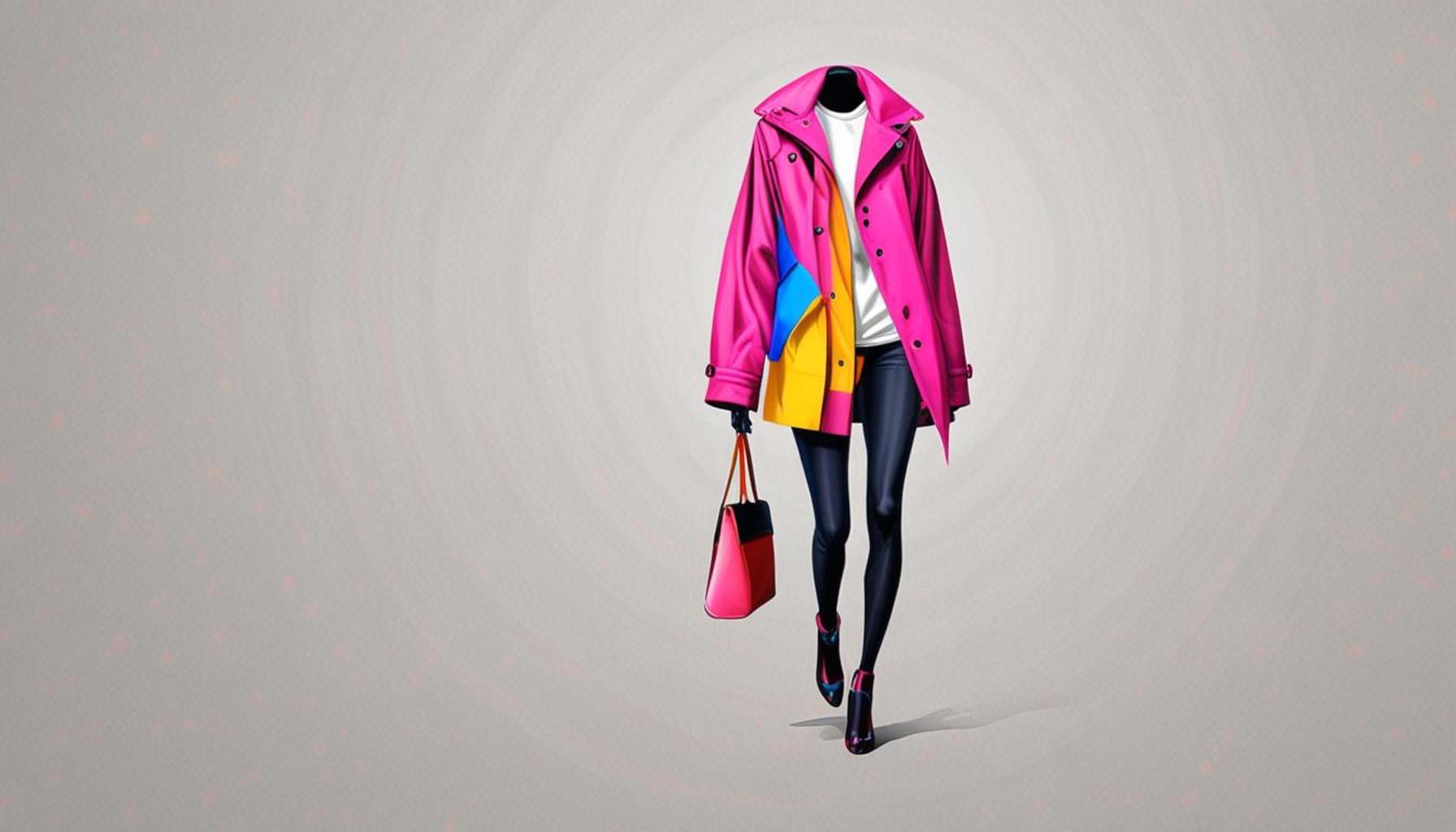
Minimalism in fashion is not merely a trend but a profound design philosophy that seeks to strip away the non-essential, allowing wearers to focus on the beauty of simplicity. With roots deeply embedded in mid-20th-century art movements—like Bauhaus and Abstract Expressionism—it has evolved into a defining characteristic of contemporary fashion. Minimalism insists that through careful consideration of design, proportion, and space, designers can create pieces that stand the test of time.
Timeless Appeal
The notion of timeless appeal is evident in the designs of classic brands such as Calvin Klein and Jil Sander. These labels emphasize clean lines and muted palettes, allowing their collections to remain relevant regardless of the ever-volatile fashion cycles. For instance, a simple black turtleneck can easily transition from a casual outing to a formal event. This adaptability is a testament to the strength of minimalist fashion, as it encourages consumers to invest in items that endure beyond a single season.
Versatility and Wardrobe Essentials
Another pivotal advantage of minimalism is its versatility. Minimalist pieces can be seamlessly integrated into various styles, catering to diverse occasions—from office wear to weekend casuals. A well-tailored pair of trousers, for example, can be paired with a crisp white shirt for a professional look or dressed down with a simple graphic tee. This ability to mix and match makes minimalist fashion an efficient choice for individuals seeking a functional yet stylish wardrobe.
Quality Over Quantity
The minimalist philosophy underscores a commitment to quality over quantity. Instead of succumbing to the allure of fast fashion, which often prioritizes low price points over craftsmanship, minimalist fashion advocates for investing in well-made, enduring pieces. Brands like Everlane exemplify this commitment through transparent sourcing and manufacturing practices, offering consumers assurance that their investment is both ethical and sustainable. Consumers are encouraged to curate a collection of superior clothing items rather than a plethora of cheaply made garments.
The Role of Designers
Renowned designers such as Yohji Yamamoto and Raf Simons further illuminate the minimalist approach by incorporating unique elements of color, shape, and texture into their collections. Simons, for example, has a remarkable ability to balance asymmetry and structure, creating visually compelling pieces that hold significance beyond mere aesthetic. These designers showcase that simplicity does not equate to blandness; instead, it can yield striking fashion statements that captivate audiences and initiate dialogue.
Conclusion
In a world that increasingly values authenticity and sustainability, minimalist fashion presents a compelling option for consumers. It invites individuals to discover the power of simplicity and embrace a lifestyle that prioritizes thoughtful consumption. By understanding the enduring relevance of minimalist design and its principles, individuals can redefine their approach to style and fashion, leading to a more meaningful and sustainable wardrobe.
DISCOVER MORE: Click here to learn about the power of simplicity in design
The Essence of Minimalism in Fashion Design
The essence of minimalism in fashion design rests in its ability to distill creativity down to its most fundamental elements. By emphasizing simplicity, designers invite consumers to engage with their clothing on a deeper level. This approach allows for a clear focus on the silhouette and materials while eliminating distractions. Minimalism encourages personal expression through less clutter, making every piece feel intentional and unique.
Fundamental Principles of Minimalist Fashion
At the core of minimalist fashion design are a few guiding principles that shape each collection. These principles not only define the aesthetic but also the way garments are perceived and utilized. Some of the key aspects include:
- Neutral Color Palettes: Minimalist designs frequently feature muted colors, which create a sense of calm and allow for versatility. Shades like beige, gray, and soft pastels serve as a timeless backdrop for myriad styles.
- Simplified Silhouettes: Minimalist pieces often eschew excessive embellishments in favor of clean lines and tailored fits. This focus on silhouette allows garments to be both flattering and functional, catering to various body types.
- The Use of High-Quality Materials: Minimalism champions the use of premium fabrics, elevating basic designs through the textural richness of items like cashmere, silk, and high-grade cotton. These materials enhance comfort and longevity, making them suitable for long-term wear.
- Attention to Detail: While minimalism might seem straightforward, the precision of structural elements—like stitching and seams—can significantly impact the overall look and feel of a piece. Thoughtful details distinguish a minimalist garment from a mere basic.
The Impact on Consumer Behavior
Minimalist fashion design resonates particularly well with today’s conscious consumers. As people become more aware of environmental issues related to the fashion industry, there is a growing preference for durable, timeless pieces over fleeting trends. The rejection of fast fashion aligns with the minimalist ethos of investing in quality rather than quantity. According to a recent survey, over 60% of consumers in the United States express a desire for sustainable options that reflect their values.
The Intersection of Functionality and Aesthetics
Minimalism seamlessly blends functionality with aesthetics, a crucial consideration for modern lifestyles. With many individuals leading busy lives, fashion that revolves around performance becomes essential. For example, a well-designed minimalist dress can transition effortlessly from the office to an evening event while prioritizing comfort and elegance. This duality is a core reason why minimalist designs have gained traction among various demographics, including young professionals and busy parents.
As society continues to embrace a more streamlined approach to living—not just in fashion but in all areas of life—minimalism stands out as a potent force for redefining modern style. By valuing simplicity, consumers are empowered to create wardrobes that are not only aesthetically pleasing but also aligned with their aesthetic philosophies and lifestyles.
| Advantage | Description |
|---|---|
| Timeless Appeal | Minimalist designs often carry a timeless elegance that transcends trends, ensuring longevity in style. |
| Focus on Quality | Emphasizing simplicity allows designers to prioritize materials and craftsmanship, leading to higher quality garments that stand the test of time. |
| Versatility | Minimalist styles are incredibly versatile, enabling wearers to mix and match with ease, making the most of their wardrobe. |
| Reduced Waste | Fashion that embraces minimalism often uses fewer resources, promoting sustainability and eco-consciousness in the industry. |
The essence of minimalism in fashion not only highlights the need for simplicity but also encourages a more profound connection to style. By prioritizing timelessness, quality, versatility, and sustainability, designers and consumers alike can embrace a more conscious approach to fashion. This redefinition of elegance and style nurtures a deeper appreciation for the artistry involved in garment creation, ultimately leading to pieces that remain relevant and cherished for years to come. It’s this transformative nature of minimalism that continues to captivate and inspire the fashion industry, offering a canvas on which true creativity can flourish.
DISCOVER MORE: Click here to learn how to maximize your space
Minimalism as a Catalyst for Innovation in Fashion
While minimalism is characterized by simplicity, it paradoxically serves as a medium for innovation within the fashion industry. The constraints inherent in minimalist design compel designers to think creatively and push the boundaries of their craft. This challenge to innovate often manifests in unique constructions and sustainable practices that transform basic pieces into compelling fashion statements. Such innovations not only captivate consumers but also encourage a rethinking of the role that aesthetics play in functionality.
Revolutionizing Fabric Choices
In the pursuit of minimalist design, an increasing number of fashion houses are exploring alternative fabrics that are both eco-friendly and aesthetically pleasing. Materials derived from sustainable sources, such as organic cotton, Tencel, and recycled polyester, exemplify this trend. For instance, brands like Everlane and Reformation have gained traction by focusing on transparency and sustainability, offering minimalist designs without compromising on ethical standards. By utilizing innovative production methods, these companies revolutionize the way consumers perceive fashion, marrying simplicity with a commitment to the planet.
Timeless Appeal of Versatility
One of the significant reasons for the enduring appeal of minimalist fashion is its inherent versatility. Minimalist pieces often serve as foundational elements in various styles, allowing wearers to mix and match easily. A simple black turtleneck, for example, can be styled with tailored trousers for a professional look or paired with denim shorts for a casual outing. This adaptability not only extends the life of each garment but also encourages consumers to develop personal style narratives that reflect their individuality.
The Role of Iconic Designers
The influence of iconic designers, such as Yohji Yamamoto, Jil Sander, and Raf Simons, cannot be overstated in the context of minimalist fashion. Their work illustrates that minimalism is not about deprivation but rather an exploration of form, silhouette, and texture. Each designer’s unique interpretation of minimalism challenges conventional perceptions of beauty, showcasing the art of subtraction in a way that reveals deeper creativity. Their collections often embody a cohesive vision that resonates with consumers looking for authenticity in their wardrobe choices.
Minimalism in the Age of Digital Consumption
In an increasingly digital world, the principles of minimalism find new relevance. As consumers navigate e-commerce platforms flush with endless options, curated minimalist collections stand out for their clear aesthetic and straightforward message. The rise of social media influencers advocating for minimalistic lifestyles further underlines this demand; followers seek inspiration from those who embody a simple yet stylish way of living. Brands that embrace and promote minimalist aesthetics not only capture attention but also effectively engage audiences across digital landscapes.
Moreover, the minimalism movement encourages a shift in focus from quantity to quality. As consumers become more discerning about their purchases, they start valuing garments that contribute to a cohesive, curated wardrobe over transient trends. This evolution fosters a fashion culture where conscientious choices take precedence, steering toward a sustainable future in the industry.
DIVE DEEPER: Click here to learn how to master the art of saying no
Conclusion: Embracing Minimalism for Lasting Impact in Fashion
The intersection of minimalism and fashion design emerges not just as a trend but as a transformative philosophy shaping the future of style. As designers continue to embrace simplicity, they cultivate an environment ripe for innovation and creativity. The allure of minimalist fashion lies in its ability to transcend fleeting trends, inviting a focus on quality, sustainability, and versatility. By prioritizing minimalistic principles, designers and consumers alike are encouraged to value pieces that resonate with both aesthetic appeal and ethical responsibility.
Through the exploration of sustainable fabrics and innovative practices, brands are revolutionizing the fashion landscape. Companies such as Everlane and Reformation exemplify how embracing minimalism contributes to a more conscientious approach to clothing production and consumption. As shoppers become increasingly aware of their environmental impact, the demand for minimalist styles that marry simplicity with sustainability continues to grow.
Furthermore, iconic designers have paved the way for a new understanding of what beauty can be—asserting that less truly is more. The timelessness of minimalist aesthetics ensures that these styles remain relevant in an ever-changing market, allowing individuals to express their uniqueness through a curated wardrobe. The simplicity of classic pieces offers a canvas for personal expression, spotlighting the significance of each carefully chosen garment.
Ultimately, embracing minimalism in fashion design is not merely about adopting a particular look; it is a commitment to creating meaningful, lasting, and impactful styles that resonate with authenticity. As we move forward, it is clear that in the realm of fashion, simplicity will continue to play a pivotal role in crafting timeless designs that inspire and empower.