How Simple Design Can Transform Small Spaces into Functional Environments
Maximizing Space Effectively
Many Americans face the challenge of living in small spaces, whether through urban apartments or cozy homes. The struggle often involves navigating limited square footage while still striving for comfort and style. Fortunately, embracing certain design principles can turn these compact environments into functional spaces that not only meet daily needs but also enhance the overall quality of life.
One of the most impactful strategies for small space living is to incorporate multifunctional furniture. This type of furniture serves more than one purpose, effectively maximizing utility. For example, a sofa bed can transform a living room into a guest bedroom almost instantly, providing an ideal solution for those who entertain frequently yet lack dedicated sleeping areas. Likewise, coffee tables designed with hidden storage can help eliminate clutter by providing an out-of-sight place for everything from blankets to board games.
Smart storage solutions also play a crucial role in optimizing space. By utilizing vertical areas—think tall bookshelves or wall-mounted racks—you can keep surfaces clear and create a more organized environment. Crafting a hidden storage nook under the stairs is another clever approach, showcasing how intelligent design can make even the tiniest spaces functional. Additionally, utilizing under-bed storage containers can be a game changer for clothes, shoes, or seasonal items.
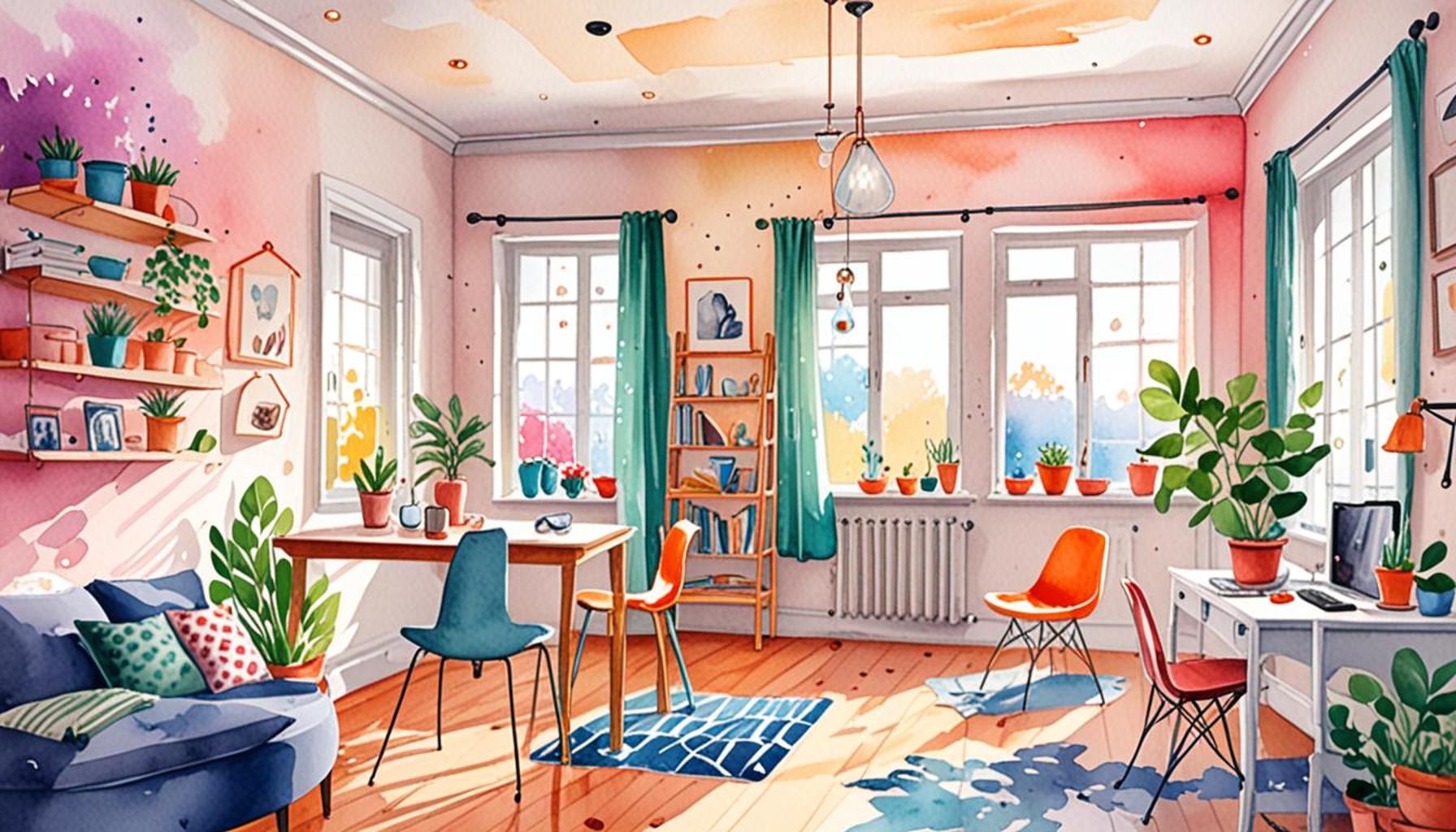
The layout of a small space is equally vital. Open floor plans help to eliminate visual barriers, creating an airy, roomy atmosphere. This style not only encourages social interactions but also gives the impression of a larger area, particularly when combined with strategic furniture placement. For instance, using a console table to delineate different areas without cutting off flow can enhance functionality without compromising on design.
Color and light dramatically impact the perception of space as well. A carefully chosen color palette featuring lighter hues can amplify the sense of openness and depth. Light colors such as soft whites or pastel shades can brighten and enlarge even the smallest rooms. Meanwhile, investing in ample lighting—whether through natural light sources like windows or by incorporating lamps and sconces—ensures that each area feels inviting and well-defined.
In summary, by adopting a mindset geared towards simplicity and functionality, residents in small spaces can transform their living areas into stylish and harmonious sanctuaries. Engaging with these effective strategies can reveal endless possibilities for personalizing compact environments. Take the time to explore different solutions, and you may find that maximizing your small space can lead to a more satisfying and aesthetically pleasing living experience.
DISCOVER MORE: Click here to find out how simple design can boost your productivity
Embracing Multifunctionality in Design
In the quest for optimizing small spaces, multifunctional design emerges as a game-changer. This approach not only prioritizes practicality but also enhances aesthetic appeal, allowing residents to fully enjoy their limited square footage. With a variety of innovative solutions available, the transition from traditional, single-purpose furniture to versatile designs can effortlessly declutter and redefine small environments.
One popular example is the rise of modular furniture systems, which offer flexibility and adaptability. Pieces like sectional sofas can be rearranged to suit various needs, whether hosting a game night with friends or creating an intimate reading nook. These modular options cater to diverse lifestyles, adapting easily to changes in function throughout the day.
Additionally, consider furniture that serves dual purposes. Here are some creative examples:
- Drop-leaf tables: Perfect for dining and working, these adaptable surfaces can expand on demand and retract when not in use, saving critical space.
- Murphy beds: Folding beds allow for a stylish office or workout space during the day and convert into a cozy sleeping area at night, proving that small homes don’t have to sacrifice comfort.
- Ottomans with storage: These functional accessories can serve as additional seating, a coffee table, or a place to stash away extra blankets, thereby keeping the space tidy.
Another crucial aspect of effective small space design is reconsidering how space is allocated. The traditional boundaries of rooms can be challenged with open layouts and creative partitions. Instead of full walls, decorative screens or bookshelves can define different areas, creating a sense of separation without obstructing the flow of light or movement. This strategy not only enhances the aesthetic but also ensures that essential functions like cooking, living, and working can coexist harmoniously within the same area.
Moreover, the integration of technology in small space living is increasingly recognized for its potential. Smart home devices, such as voice-activated assistants and programmable lighting, can streamline everyday routines and further enhance the functionality of compact rooms. By prioritizing technology that aids in comfort, organization, and efficiency, residents can make their small spaces feel larger and more inviting.
The challenge of small living can also inspire creativity when it comes to personalizing spaces. Utilizing custom storage solutions, like built-in shelving or bespoke furniture pieces, offers homeowners the chance to optimize every inch of their environment. Customization fosters a personal connection with one’s living space, bringing an individual touch that mass-produced items may not provide.
In conclusion, embracing the principles of multifunctionality and intentional design can radically transform small spaces into environments that are both practical and delightful. The key lies in the willingness to think outside the box and explore the myriad of options available to enhance daily living experiences. With thoughtful choices, even the coziest of homes can successfully reflect personal style and provide all necessary functions.
In today’s fast-paced world, the challenges of limited space can often stifle creativity and functionality within our living environments. However, simple design can revolutionize these small spaces, transforming them into highly functional areas that cater to our daily needs. Utilizing design principles that emphasize minimalism, versatility, and practicality is key to maximizing the potential of small environments.One effective approach is to integrate multi-functional furniture that serves various purposes, such as a sofa bed or an extendable dining table. This allows for fluid movement and adaptability, making the most of every square inch. Additionally, employing light color schemes can create an illusion of spaciousness, while strategically placed mirrors can enhance natural light and depth.Storage solutions also play a pivotal role in small space design. Utilizing vertical storage, like shelving and cabinets, can keep clutter at bay while maintaining the aesthetic appeal of the environment. Hidden storage options, such as under-bed drawers or ottomans with removable tops, can further optimize space without compromising style.Furthermore, open floor plans can be highly beneficial. By eliminating unnecessary walls, one can create a seamless flow between different areas, ensuring that spaces feel larger and more connected. Zones can be defined through the use of rugs, lighting, and color variations, giving the illusion of distinct areas while still promoting togetherness.Incorporating nature through plants can also enhance the livability of compact spaces. Greenery adds life and vibrancy, improving air quality and fostering a sense of calm. Selecting low-maintenance plants allows individuals to enjoy the benefits of nature without extensive upkeep, making it perfect for busy lifestyles.Ultimately, simple design principles not only foster functionality but also encourage a harmonious environment that enhances the quality of life in small spaces. By exploring these transformative strategies, individuals can not only maximize their living areas but also enjoy a refreshing, organized, and aesthetically pleasing home.
DIVE DEEPER: Click here to streamline your daily routine
Maximizing Vertical Space
When it comes to small spaces, verticality often holds the key to unlocking new dimensions of functionality. Many homeowners overlook the significant potential that walls present in terms of storage and decor. By cleverly utilizing vertical space, residents can free up floor areas, making tiny environments feel more expansive and organized.
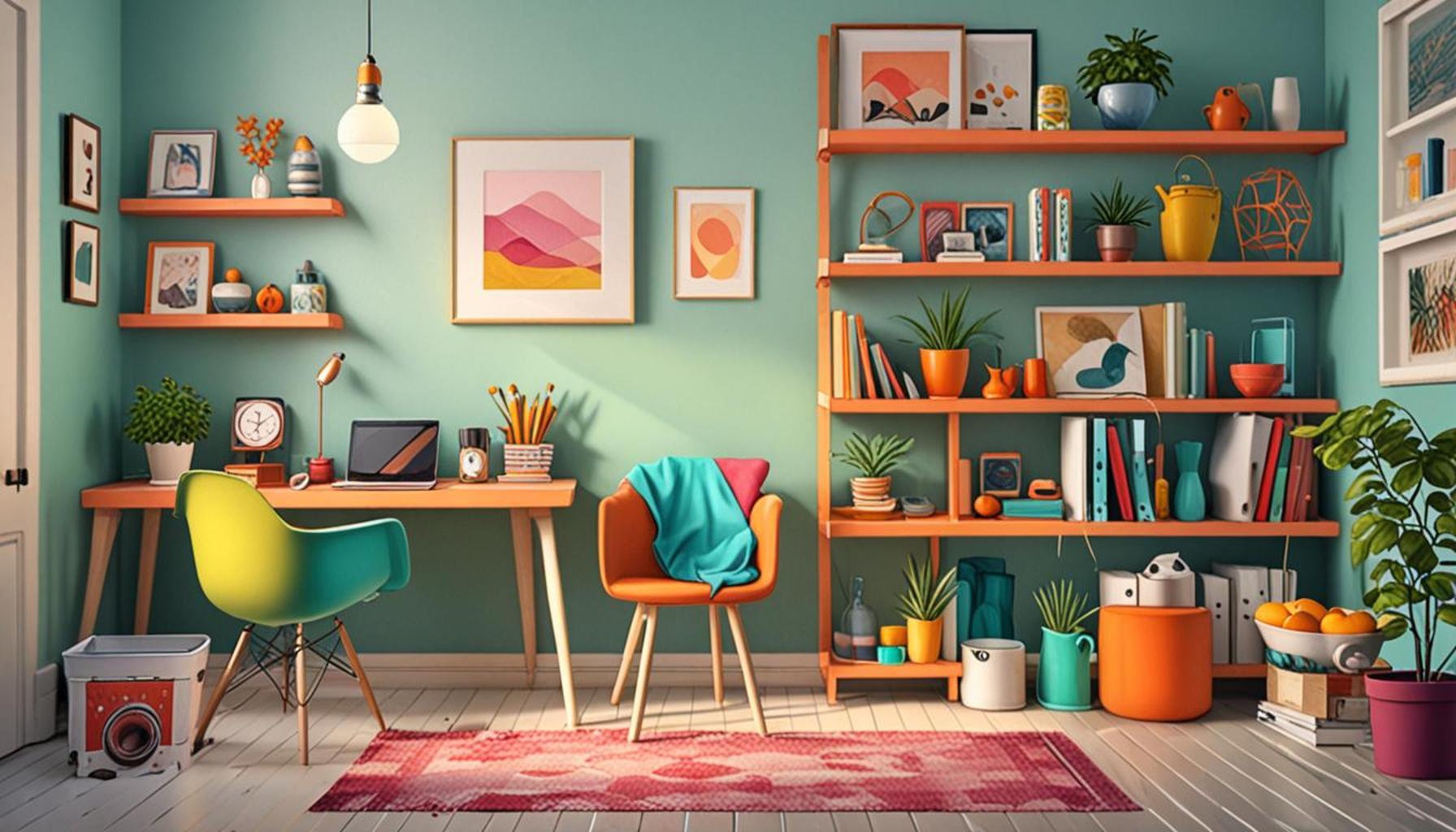
One effective strategy is to install wall-mounted shelves that can hold books, plants, or decorative items. Not only do these shelves draw the eye upward, creating an illusion of height, but they also serve as practical storage solutions that keep items off the cluttered floor. Optionen vary from sleek and modern designs to rustic, reclaimed wood aesthetics, catering to diverse tastes and styles.
Additionally, overhead cabinets in kitchens or bathrooms provide valuable storage while maintaining an uncluttered look. These cabinets can hide away necessary items, like kitchenware or toiletries, thus promoting a more streamlined environment. For those who prioritize form as much as function, customized cabinetry can add a luxe feel to even the simplest of spaces.
Even with limited floor space, the clever use of hooks and pegboards can maximize organization. Whether enhancing a kitchen, bedroom, or home office, these easy-to-install solutions promote a personalized and dynamic use of space. Hanging pots, pans, tools, or even clothing not only declutters but also becomes a part of the overall design theme.
Color and Light: The Power of Perception
Choosing the right color palette can greatly influence the mood and perception of space. Light colors tend to reflect light, making a room feel larger and airier; whereas darker shades can often create a sense of coziness, albeit at the risk of feeling cramped. Opting for a monochromatic scheme with various textures can add depth while maintaining a unified appearance.
Natural light also plays a crucial role in transforming small spaces. Larger windows or strategically placed mirrors can amplify the effectiveness of natural light, helping to enhance the perceived dimensions of a room. Incorporating sheer curtains allows ample sunlight to filter in while providing a sense of privacy—a delightful balance for those in urban apartments.
Moreover, the clever design of lighting fixtures contributes significantly to the ambiance of small spaces. Using track lighting or pendant lights instead of bulky lamps can illuminate areas without overwhelming the scale of the room. Dimmable lights serve the dual purpose of creating an inviting atmosphere and allowing for versatility in lighting based on the desired activity, whether it be relaxed evening gatherings or focused work sessions.
Incorporating Outdoor Elements
Blurring the lines between indoor and outdoor environments further enhances the functionality of small spaces. Bringing nature indoors has been shown to improve well-being and can also make spaces feel more expansive. Indoor plants not only serve as a natural decor but can also purify air, beneficial for those in urban settings.
Incorporating outdoor furniture or decor elements can create a seamless transition from inside to outside. Balcony spaces can be transformed through the use of lightweight, foldable chairs and tables that accommodate al fresco dining or leisure activities. As cities in the United States increasingly embrace urban gardening, even the smallest of balconies can become vibrant gardens.
In summary, small spaces do not have to be synonymous with limitations. Through strategic design choices that optimize vertical areas, leverage light and color, and incorporate elements of nature, one can transform cozy environments into functional and delightful living spaces. By embracing these ideas, residents can truly redefine what it means to live well in small spaces.
DIVE DEEPER: Click here to unlock the benefits of mindfulness through minimalist decluttering
Conclusion
In the quest to optimize limited living areas, simple design emerges as a transformative force capable of elevating small spaces into functional and aesthetically pleasing environments. By leveraging key strategies—be it maximizing vertical space, utilizing thoughtful color choices and lighting, or incorporating nature within interiors—residents can create atmospheres that feel both expansive and inviting.
The integration of wall-mounted shelves and overhead cabinets not only enhances storage solutions but also adds visual interest, proving that practicality can coexist beautifully with elegance. Likewise, the judicious use of light colors and natural light amplifies perceived space, dispelling the notion that smaller square footage confines creativity. Furthermore, by embracing outdoor elements and integrating nature into design, individuals can cultivate spaces that promote well-being and serenity, enriching urban living experiences.
Ultimately, embracing these fundamental concepts not only redefines personal living spaces but also empowers individuals to derive greater satisfaction and functionality from their homes. As the trend of downsizing and urban living continues to gain momentum across the United States, the principles of simple design stand out as crucial tools for redefining the essence of living well, regardless of spatial limitations. For those seeking to explore these innovative approaches, the journey into transforming small spaces into dynamic environments is not just a possibility—it’s a rewarding adventure waiting to unfold.