Efficient Decluttering Techniques for Small Spaces: Maximizing Minimalism
Organizing Small Spaces: A Path to Minimalism
Living in small spaces can indeed present distinctive organizational challenges that many people face. Nevertheless, with a thoughtful approach, your limited area can transform into an oasis of minimalism and tranquility. Efficient decluttering techniques are essential for maximizing your space, which in turn simplifies your daily life and brings about a sense of peace and order.
To begin your minimalist journey, consider these practical strategies:
- Evaluate Your Belongings: Start by assessing what items you genuinely need. This involves going through each room and making tough decisions—ask yourself if the item adds value to your life. For instance, are those ten coffee mugs necessary, or would a couple of favorites suffice?
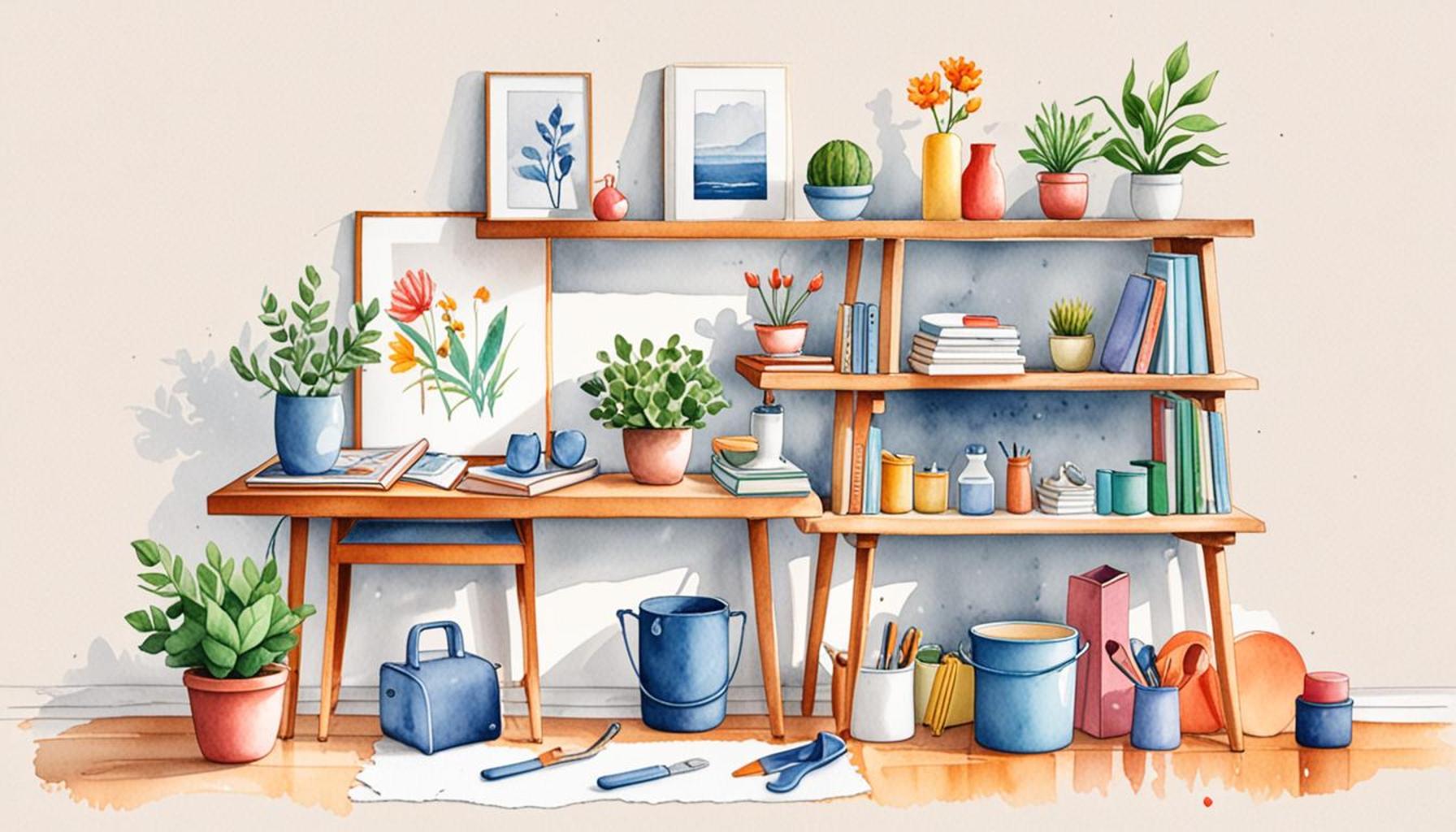
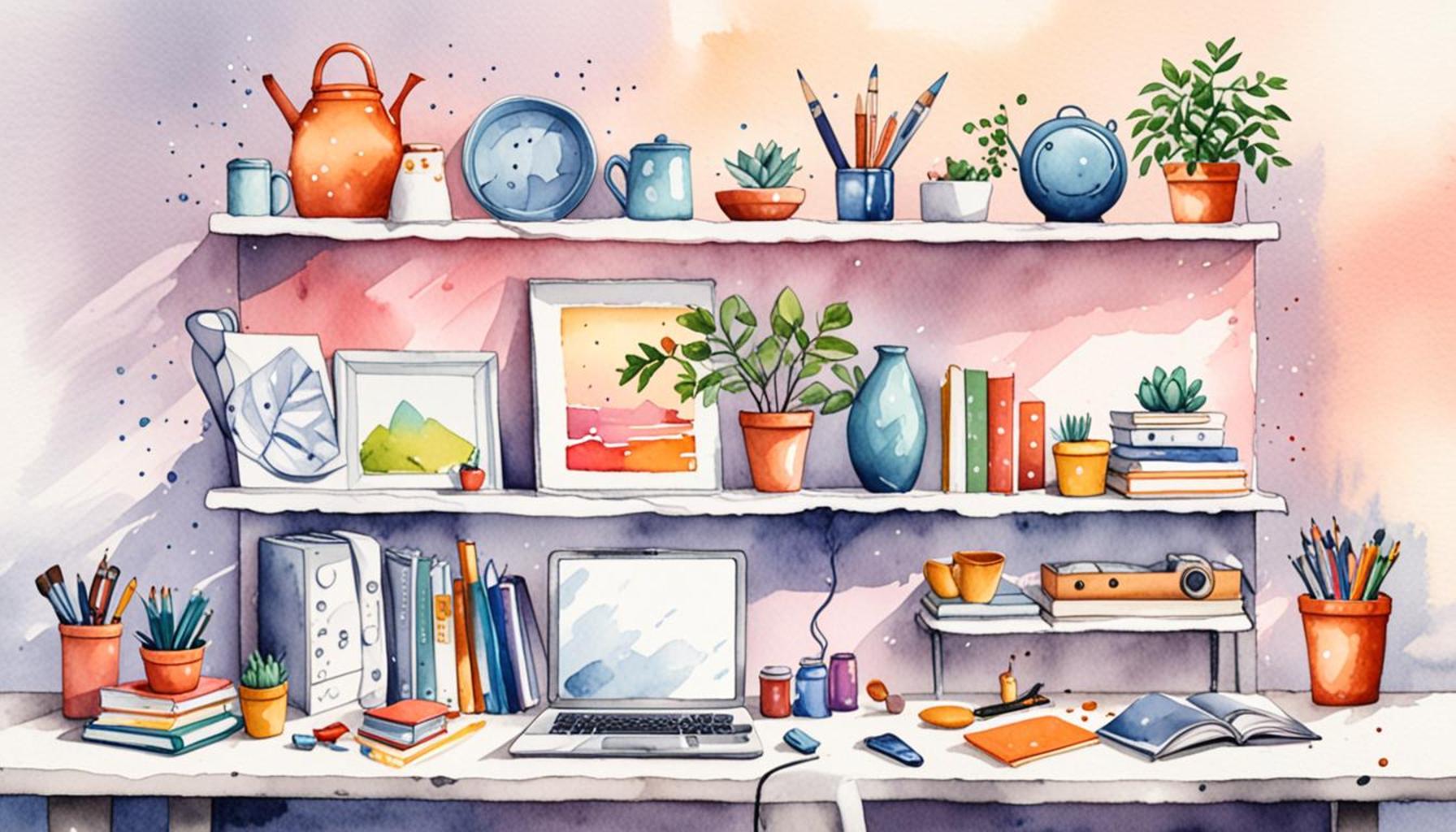
- Use Vertical Storage: Take advantage of unused wall space by incorporating shelves, hooks, and pegboards. This not only saves floor space but also draws the eye upward, creating the illusion of a larger area. For example, a series of floating shelves can display books or art, while hooks can hang kitchen utensils or accessories, making them both functional and decorative.
- The One-Year Rule: This popular guideline suggests that if you haven’t used an item in the past year, it’s time to let it go. This rule is particularly helpful in identifying clutter—seasonal clothing or rarely-used office supplies often take up valuable space without serving a purpose.
Embracing a minimalist mindset not only elevates your living area but also enhances mental clarity. According to research conducted by Princeton University, a clutter-free space can significantly lower stress levels and boost productivity, contributing to an overall uplift in your mood. Learning effective decluttering techniques can reframe your lifestyle, liberating you from the anxiety often associated with disorganization.
Explore innovative techniques such as the KonMari Method, developed by Marie Kondo, which emphasizes keeping only those items that “spark joy.” This can make the decluttering process more intentional and enjoyable. Additionally, the 80/20 Rule, which suggests that 80% of your outcomes come from 20% of your efforts, can apply here; focus on your most utilized items and prioritize their organization to make a significant impact on your space.
Embarking on your decluttering journey today can lead to enhanced well-being, making room for experiences and connections that truly matter. Mindful organization not only creates a visually appealing environment but also fosters a happier, more fulfilling life. As you start making small changes, you may find that the tranquility of a minimalist space profoundly affects not only how you live but also how you feel.
DISCOVER MORE: Click here to learn how design boosts productivity
Creative Storage Solutions for Maximizing Space
One of the most effective ways to achieve a minimalist lifestyle in small areas is by exploring creative storage solutions. The way you organize your belongings can significantly impact not only the aesthetics of your space but also its functionality. Here are some innovative strategies that can help you maximize every inch of your small living space:
- Under-bed Storage: Utilize the often-overlooked space beneath your bed. Invest in rolling bins or bed risers to create more room for seasonal items, spare linens, or shoes. This hidden storage can be a game-changer for maintaining a tidy bedroom and keeping clutter at bay.
- Dual-purpose Furniture: Look for furniture that serves multiple functions. Ottomans that open for storage, coffee tables that double as workspaces, and beds with built-in drawers can significantly reduce the need for additional storage solutions while providing what you need in your daily life.
- Hanging Organizers: Hang organizers on doors or inside closets to free up space. They can be used for everything, from shoes and accessories to kitchen gadgets. These organizers keep essentials within reach while making your space feel more open.
- Magnetic Strips: Magnetic strips can be a unique way to store kitchen utensils or tools in a compact manner. Hang them on the wall to keep your knives, scissors, or other metallic items accessible and visible, giving your kitchen both organization and style.
- Use Clear Bins: Clear storage bins allow you to easily see what’s inside, making it simpler to locate items without digging through multiple boxes. This not only saves time but also encourages the habit of returning things to their designated spots, helping maintain an organized environment.
By incorporating these storage solutions, you not only save space but also create a more layered and visually appealing environment. Each of these techniques celebrates the minimalist ideal by promoting functionality, further imperative in small living spaces.
It’s essential to remember that decluttering is an ongoing journey and not merely a one-time project. Regularly reassessing your belongings and storage methods ensures that your space remains uncluttered and efficient. Creating small, manageable decluttering sessions helps avoid overwhelming feelings that can arise when faced with too many items at once.
Implementing these efficient decluttering techniques allows you to cultivate a serene minimalism that enhances both your space and your mental well-being. As you witness the transformation of your environment, you may find renewed energy and motivation to embrace a simpler, more balanced lifestyle.
| Technique | Advantages |
|---|---|
| Vertical Storage | Maximizes floor space while utilizing wall areas; ideal for tiny rooms. |
| Multi-Functional Furniture | Reduces clutter by serving dual purposes, e.g., ottomans with storage. |
| Declutter Every Six Months | Maintains control of possessions, ensuring a minimalist lifestyle remains consistent. |
| Digital Decluttering | Frees mental space by reducing digital overload in devices. |
Embracing efficient decluttering techniques can significantly enhance the functionality and aesthetic of small spaces, allowing homeowners to live comfortably without feeling overwhelmed by clutter. Techniques like vertical storage effectively utilize wall space, creating an illusion of a larger area while keeping essentials accessible. Investing in multi-functional furniture not only conserves space but also amplifies practicality, making it easier to adapt when hosting guests or while organizing daily items. Additionally, committing to a routine of decluttering every six months ensures that residents are continually curating their belongings, which is essential for maintaining a minimalist ethos. Implementing digital decluttering is just as vital; by simplifying the digital environment, one can alleviate unnecessary stress and create more mental clarity. Adopting these methods will lead you closer to achieving a minimalist lifestyle, transforming confined spaces into serene retreats.
DIVE DEEPER: Click here to enhance your personal organization
Mindful Decluttering Practices to Foster Minimalism
Beyond organizational solutions, mindful decluttering practices play a crucial role in not only creating a clean space but also in nurturing a mindset conducive to minimalism. Understanding your relationship with your belongings can lead to lasting changes in how you perceive and manage items in your small spaces. Here are some techniques to embrace a more purposeful approach to decluttering:
- The One-In, One-Out Rule: To prevent clutter from accumulating, adopt the one-in, one-out principle. For every new item you bring into your home, commit to removing one existing item. This simple rule encourages thoughtful purchasing and helps maintain the balance in your space.
- Functional Assessments: Take a closer look at the items in your home and evaluate their functionality. Consider asking yourself questions like: “When was the last time I used this?” or “Does this object add value to my life?” By conducting regular functional assessments, you can confidently decide what to keep and what to let go.
- Sentimental Items: It’s natural to form attachments to certain belongings, but holding onto too many sentimental items can lead to clutter. Instead, choose a few meaningful pieces to display or store, and let go of the rest. This intentional curation allows you to cherish memories without being overwhelmed by physical objects.
- Digital Decluttering: In today’s digital age, it’s essential to address not just physical clutter but also digital overload. Organize your files, delete unnecessary emails, and utilize cloud storage to minimize the physical presence of technology. A tidy digital landscape is just as vital for maintaining a minimalist lifestyle.
- 30-Day Minimalism Game: Engage in a fun and challenging approach to decluttering by participating in the 30-day minimalism game. Each day, you will remove one item on day one, two items on day two, and continue escalating until you reach thirty items on the final day. This technique can make decluttering feel like an engaging goal rather than a daunting chore.
By integrating these mindful decluttering practices into your routine, you not only enhance your physical space but also reshape your mindset towards consumerism and possessions. Developing a more intentional mindset enables you to live harmoniously within your environment, fostering peace of mind and a sense of accomplishment.
In addition to practical applications, it’s beneficial to establish a decluttering routine that complements the rhythm of your life. Set aside regular intervals—such as the start of each month or season—to reassess, reorganize, and refresh your space. This ritualistic approach can promote ongoing mindfulness, enabling you to maintain an organized and efficient home that aligns with your minimalist aspirations.
By understanding the dynamics of both physical and emotional attachments to your belongings, you empower yourself in the decluttering process. These mindful techniques not only streamline your efforts but also transform how you conceptualize space, ultimately leading to a more fulfilling minimalist lifestyle.
DON’T MISS: Click here to discover how saying no can streamline your life
Conclusion: Embracing Minimalism in Small Spaces
In a world increasingly dominated by consumerism, embracing efficient decluttering techniques is not just an option but a lifestyle choice, particularly for those navigating the challenges of small spaces. The strategies discussed—from the empowering one-in, one-out rule to the engaging 30-day minimalism game—cultivate a deeper awareness of our belongings and reshape our relationships with them.
By recognizing the value of space, both physically and mentally, we can spark a transformation that transcends mere organization. Adopting a holistic approach to decluttering allows for ongoing maintenance of our environments, creating a sanctuary that promotes peace and functionality. Mindful decluttering practices serve as a compass to guide our decisions, reinforcing our commitment to a minimalist lifestyle. As we thoughtfully assess our possessions and prioritize the essentials, we become more attuned to what truly enriches our lives.
Moreover, fostering a routine around decluttering can not only simplify our physical spaces but also enhance our overall quality of life. Engaging regularly with our belongings helps to cultivate a mindset of intentionality, wherein we celebrate simplicity and clarity amidst the chaos of modern life. By making conscious choices, we unlock the potential for a more enjoyable and fulfilling living environment.
Ultimately, the journey toward maximizing minimalism in small spaces is an ongoing process of learning and adaptation. As we embrace these techniques and principles, we pave the way for a lifestyle that values experience over accumulation, creating a home where every item holds significance and contributes to our overall happiness.