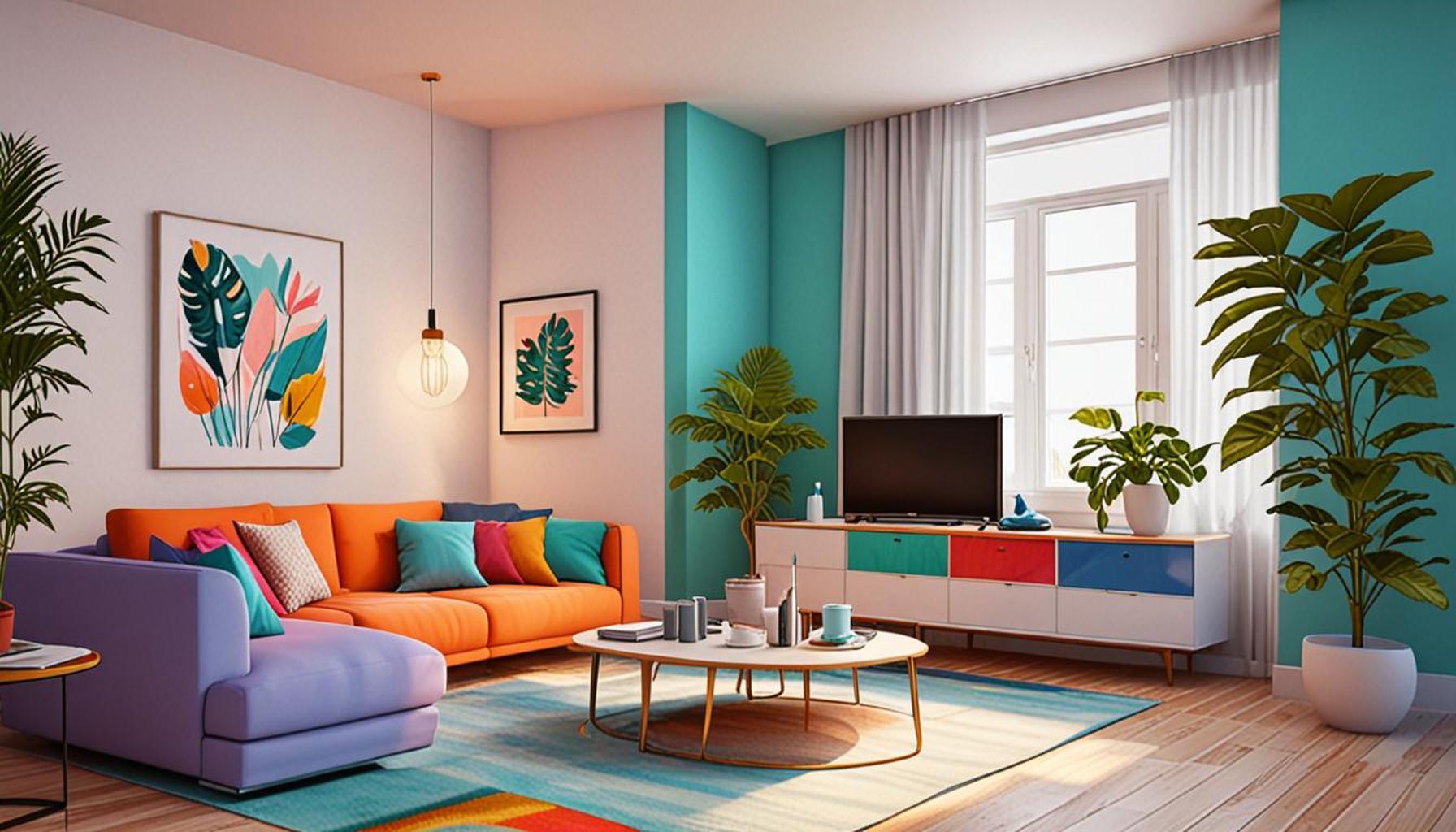
How Simple Design Enhances Productivity in Workspaces

In today’s fast-paced work environment, simplicity is often the key to success. The principles of minimalism and personal organization play a pivotal role in creating workspaces that foster creativity and enhance productivity. Understanding the significance of simple design can transform not only the physical environment but also the overall efficiency of those who inhabit it.
As we delve into this topic, consider the following aspects that highlight the importance of simplicity:
- Cognitive Load Reduction: A clutter-free space minimizes distractions.
- Improved Aesthetics: Simplicity can lead to a more visually appealing and tranquil environment.
- Enhanced Focus: Fewer items promote better concentration on tasks at hand.
- Organizational Ease: Simple designs facilitate better organization and accessibility.
- Adaptability: Minimalist spaces can be easily modified as needs change.
Join us as we explore the Top 5 elements of simple design that can significantly impact productivity in workspaces. Discover how adopting minimalist principles can lead to a more efficient and harmonious working environment.
Top 5: The Importance of Simple Design in Creating Productive Workspaces
In the hustle and bustle of today’s corporate world, employees and employers alike are ever-seeking ways to enhance productivity. As we strive to do more in less time, the design of our workspaces plays a vital role in our efficiency and overall well-being. With the right approach, a workspace can transform from just a place to perform tasks into a hub of creativity, focus, and collaboration. The magic often lies in simple design principles, which prioritize functionality, aesthetics, focus, flexibility, and creativity. Let us explore the top five reasons why integrating simple design into workplace environments is not just beneficial but essential.
5. Enhanced Functionality
When it comes to workspace design, one can’t overlook the significance of enhanced functionality. This isn’t just about reducing clutter or choosing the right chairs but about creating a seamless interaction with our environment. Imagine a workspace where each item—from the humble paperclip to sophisticated tech gadgets—has its purpose and place. Such intentional design considerations ensure that employees spend less time navigating physical obstructions and more time focusing on their tasks.

Consider the impact of:
- Clear pathways that facilitate uninterrupted movement, minimizing time loss and stress.
- Ergonomic furniture tailored to employee needs, reducing strain and health-related absences.
- Minimalist decor which supports mental clarity, enabling workers to zero in on their objectives without visual distractions.
This focused approach enables an environment where productivity is naturally elevated, both in speed and quality of work.
4. Improved Aesthetics
The adage “form follows function” is beautifully exemplified in the realm of improved aesthetics. A simple, thoughtfully arranged space is not just pleasing to the eye but also to the mind. The aesthetics of a workspace can dramatically impact one’s mood, thereby influencing productivity levels. Research has continuously revealed correlations between visual environments and mental states, underscoring the power of simple design.
Elements that enhance workspace aesthetics include:
- Neutral color palettes, such as soft greys and blues, known for their calming effects.
- Ample natural light that reduces eye strain and boosts mood by mimicking daylight conditions.
- Use of sleek, contemporary furniture that complements the overall theme without overwhelming the senses.
Integrating such elements aligns aesthetic appeal with functional necessity, creating an environment that supports employee satisfaction and performance.
3. Increased Focus
In today’s world, where attention spans are constantly under siege by digital distractions, cultivating an environment that promotes increased focus is invaluable. Simplicity in design serves as a fortress against mental clutter, providing a sanctuary that enhances employee concentration and alertness.
Key strategies for nurturing focus through design include:
- Eradicating unnecessary decorations that create a visual cacophony, thus maintaining a clear mental space.
- Incorporating soundproofing materials like carpets and acoustic panels to dampen disruptive noises.
- Designating zones for teamwork and areas for solitude, allowing employees to select the right atmosphere for their current task.
Such strategic design ensures that employees remain engaged, facilitating swift and accurate completion of tasks.
2. Greater Flexibility
The business landscape is in perpetual flux, making the need for greater flexibility an essential design consideration. A workspace designed with adaptability in mind can morph to suit diverse demands, from project-based teamwork to solo endeavors, enhancing both productivity and employee satisfaction.
Elements that offer flexibility encompass:
- Movable furniture like rolling desks and chairs that easily adjust to project requirements or personal preferences.
- Multi-functional spaces, such as conference rooms that can host meetings or serve as quiet zones for deep concentration.
- Open-plan layouts that encourage spontaneous collaboration while maintaining the ability to switch configurations effortlessly.
This dynamic adaptability enables organizations to remain agile, responding swiftly to changes and challenges while maintaining high levels of productivity.
1. Fostered Creativity
At the top of the list is the potential for fostered creativity. Simple design creates an open environment that nurtures free thinking, allowing innovative ideas to germinate. This setup is less about the absence of complexity and more about the presence of unencumbered thought processes.
Initiatives that promote creativity through simple design include:
- Establishing open, communal spaces for brainstorming sessions that inspire collective innovation.
- Introducing natural elements such as indoor plants and water features that have been shown to enhance creativity and reduce stress levels.
- Providing creative tools, like whiteboards and digital brainstorming tools, to facilitate the visualization and development of new ideas.
Such practices cultivate a nurturing environment where employees feel empowered to experiment and innovate, fostering groundbreaking discoveries that propel their organizations ahead of the curve.
To conclude, simple design is not merely an aesthetic choice; it is a strategic imperative for creating productive workspaces. By investing in simplicity, organizations can unlock the full potential of their work environments, fostering employee well-being alongside boosting efficiency and creativity. As we embrace these principles, the future workplace will not only meet the demands of modern industry but will also set the stage for greater achievements and innovations.
| Category | Description |
|---|---|
| Clarity | A simple design enhances the clarity of information, allowing workers to navigate and focus on their tasks without distraction. |
| Efficiency | Minimalistic spaces promote efficiency by reducing the clutter that can hinder decision-making and creativity in the workplace. |
| Comfort | A simple design creates a comfortable environment that contributes to employee well-being, encouraging longer and more productive work hours. |
| Flexibility | Simple designs allow for easier reconfiguration of spaces to suit differing team needs, enhancing collaboration and adaptability. |
Exploring the nuances of each category reveals how simplicity plays a vital role in creating a more productive workspace. The objective of clarity, for instance, in a workplace designed with simplicity, means that all elements—from layout to color palette—are thoughtfully curated to communicate a specific function. The effective use of space can eliminate unnecessary visual noise, ensuring that employees can concentrate on their tasks without the constant pull of distractions.Furthermore, examining the aspect of efficiency shows us that with fewer elements, the cognitive load is significantly reduced. This allows employees to find resources, tools, and information quickly, resulting in a workflow that becomes not only faster but also more organized. Employees equipped with such environments tend to demonstrate a higher level of performance, often contributing original ideas that further drive the company’s objectives.Comfort, another critical aspect, is essential for both mental and physical health. A clean and simple environment can reduce stress levels, fostering a sense of calm that influences productivity positively. Research often highlights the correlation between comfort and the ability to sustain focus over longer periods. Elements like ample natural light and ergonomic furniture integrated within a simple design structure can make a significant difference in workplace happiness.Lastly, the flexibility of a simple design cannot be underestimated. An adaptable workspace is critical in today’s ever-evolving work climate. Whether it is the shift to remote work or the rise of hybrid models, the ability to easily redesign an area for collaboration or solitude serves essential operational strategies. The modular nature of a simplistic approach allows organizations the freedom to respond to changing needs effortlessly.In summary, these categories shine a light on the profound impact that simple design has on productivity within the workspace. Such insights encourage readers to reconsider the power of minimalism, urging further investigation into how to implement these principles in diverse working environments.
Frequently Asked Questions about the Importance of Simple Design in Creating Productive Workspaces
What are the benefits of a simple design in a workspace?
A simple design in a workspace can lead to numerous benefits, including increased productivity, reduced stress, and enhanced focus. By minimizing clutter and distractions, employees can concentrate better on their tasks. Moreover, a streamlined environment often promotes a sense of calm and order, allowing for creative thinking and collaboration. Simplicity in design also makes it easier to maintain and adapt the workspace as needed.
How does simple design impact employee well-being?
Simple design has a profound impact on employee well-being by creating a more comfortable and aesthetically pleasing environment. It can reduce visual stress and prevent cognitive overload. Elements such as ample natural light, open space, and minimalistic furniture can foster a sense of well-being, positively influencing mood and motivation. Furthermore, when employees feel physically comfortable and mentally clear, they are more likely to feel satisfied and perform better.
Is it cost-effective to implement a simple design in workspaces?
Implementing a simple design can indeed be cost-effective. It often requires fewer materials and resources compared to more elaborate designs. Additionally, simple design principles focus on functionality and sustainability, which can mean fewer expenses over time. Companies might find themselves spending less on maintenance and upgrades while also enjoying the potential for enhanced productivity, which can lead to increased profitability.
Can a simple design be flexible enough for different work styles?
Yes, simple design is inherently flexible and adaptable to various work styles. It emphasizes versatility through the use of modular furniture, open spaces, and adaptable layouts. This allows companies to easily reconfigure their spaces as needed to accommodate diverse tasks and team dynamics. By adopting a simple design approach, organizations can create multipurpose areas that cater to both individual work and collaborative projects, ensuring that the environment meets the needs of all employees.
Conclusion: The Power of Simplicity in Workspaces
In the realm of productivity, the design of a workspace plays a vital role. This article highlighted the core principles of minimalistic design and its profound impact on creating productive working environments. The emphasis on simplicity not only helps reduce visual clutter but also facilitates focus, efficiency, and creativity.
An effective workspace is one where distractions are minimized, allowing individuals to channel their energy towards achieving their goals. This is something that minimalism excels in, as it advocates for only the essentials, ensuring that every item has a purpose that contributes to the overall functionality of the space.
- Clarity and Focus: A simple design prioritizes clarity, removing unnecessary elements that can impede concentration.
- Increased Organization: By utilizing a thoughtfully designed layout, minimalism fosters better organization and easy access to tools and resources.
- Enhanced Well-being: An uncluttered environment contributes to mental well-being, reducing stress and promoting a sense of calm.
- Flexibility and Adaptability: Simple designs can easily be adapted to meet changing needs, making them sustainable over time.
- Stimulated Creativity: With fewer distractions, creativity is given the space to flourish and innovate.
As we consider the future of workspaces, it is evident that incorporating minimalistic design principles can lead to more effective and enjoyable environments. By embracing simplicity, we empower individuals to work more efficiently and live more intentionally. While the journey towards minimalism might require conscious effort, the rewards, such as increased productivity and satisfaction, are worth pursuing.