Transform Your Home Minimalism and Functional Space Organization
In a world saturated with distractions and overflowing possessions, the concept of minimalism emerges as a beacon of simplicity and clarity. Emphasizing the importance of functionality in space organization, minimalism challenges us to rethink how we interact with our environment. By adopting a minimalist approach, we can transform our homes into sanctuaries of peace and order.
Yet, the journey towards a functional and minimalist lifestyle is not merely about decluttering; it encompasses a deeper understanding of how space influences our well-being. The relevance of this topic is heightened as many people seek to create functional living spaces that foster creativity and relaxation. In doing so, we can unlock a more fulfilling way of life.
In this article, we’ll explore the Top 5 ways minimalism can revolutionize your home organization, highlighting practical tips and strategies. Prepare to discover how small changes can lead to significant transformations in your living space.
The Importance of Functionality in Space Organization: How Minimalism Can Transform Your Home
In a fast-paced world brimming with possessions and constant distractions, the minimalist movement has surged as a beacon for those seeking peace and order in their living spaces. Minimalism, with its core principle of prioritizing functionality, offers a transformative approach to home organization that is both simplistic and profound. By stripping away the excess and focusing on essential elements, minimalism creates homes that not only look serene but also function smoothly, bringing harmony to the chaos of everyday life. Let’s delve into five compelling aspects of how functionality underpins the minimalist ethos, and how this approach can revolutionize your home environment.
5. Reducing Stress Through Simple Design
Amidst daily hustle, home should be a haven from chaos, yet cluttered environments often become a source of stress instead. A disorderly room overwhelms our senses, inducing anxiety and disrupting mental tranquility. Minimalism’s answer to this is through simple design, which streamlines a space by holding onto essentials and eliminating distractions. This purposeful reduction allows the environment to exude calmness and clarity.
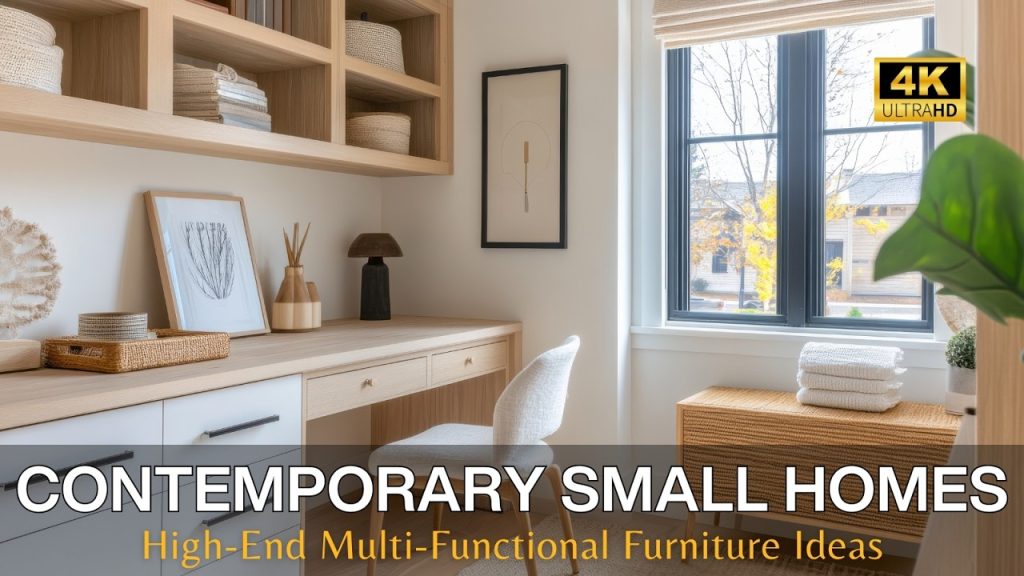
Consider implementing steps to foster serenity:
- Purge non-essential items regularly: Regular decluttering not only frees up physical space but also mental space, giving room for peace.
- Incorporate neutral color palettes: Soft, muted tones promote calmness and provide a gentle, relaxing backdrop.
- Opt for multifunctional furniture: Pieces that serve multiple purposes maximize space and maintain simplicity.
These strategies make your home a tranquil sanctuary, a place of solace that nurtures well-being, ultimately reducing stress effectively.
4. Enhancing Productivity with Organized Spaces
The design and arrangement of our environment have profound impacts on productivity. Clutter disrupts focus and invites procrastination, whereas a minimalist, organized workspace fosters concentration and boosts efficiency. By eliminating unnecessary items and keeping only what truly serves a purpose, one can create an environment conducive to achieving daily goals and enhancing work performance.
To cultivate such a productive ambiance, consider these actions:
- Designate specific areas for work and leisure: Clear spatial boundaries help the mind to switch modes efficiently.
- Ensure all workspace items are functional and necessary: Functional tools reduce wasted time and effort, keeping you on track.
- Implement storage solutions that aid in organization: Clever storage keeps workspaces tidy and items within easy reach.
With a thoughtfully organized environment, minimalism aligns your surroundings with your aspirations, fostering a mindset primed for productivity and accomplishment.
3. Maximizing Space Utilization
A key tenet of minimalism is strategic space utilization. A cluttered room can make even the most spacious areas feel cramped and uncomfortable. Adopting a minimalist mindset encourages an evaluation of current belongings to identify optimal ways to utilize every inch of your home efficiently. Enhancing space does not only cater to beauty but also increases the area’s practical usability.
Strategies for maximizing available space include:
- Utilizing vertical storage solutions: Shelves and hooks take advantage of wall space, clearing surfaces below.
- Incorporating furniture with hidden storage: Such designs keep items out of sight, maintaining a clean look.
- Prioritizing quality over quantity: Selecting fewer, high-quality items that meet multiple needs ensures longevity and functional value.
Thus, by crafting a home that is both visually appealing and functionally superior, minimalism transforms living spaces into environments that beautifully serve their inhabitants.
2. Encouraging Mindful Consumption
Minimalism promotes a lifestyle of mindful consumption, shifting the focus from acquiring more to valuing what truly matters. This practice fosters intentional purchasing decisions that prioritize functionality, ultimately leading to financial savings and environmental benefits through reduced waste.
Mindful consumption can be cultivated by:
- Investing in durable, timeless pieces: Opting for quality over trends means items will last longer and retain style, reducing the need for frequent replacements.
- Assessing current items before buying: Taking stock of what you have curtails impulsive purchases, encouraging a thoughtful approach.
- Practicing gratitude for existing items: Acknowledging the value of possessions can decrease the desire for more and enhance contentment.
By promoting a reduced acquisition lifestyle, minimalism not only transforms homes but also instills environmental consciousness, fostering a sense of responsibility towards the earth and our limited resources.
1. Creating a Sense of Freedom
Perhaps the most profound gift of minimalism is the sense of freedom it bestows. A home organized around functionality liberates one’s mental space, allowing focus on life’s intangible joys. An uncluttered environment encourages clarity of thought and invites one to relish moments unimpeded by the weight of possessions.
Creating this liberating environment involves:
- Establishing routines for regular decluttering: Frequent purging of the unnecessary keeps spaces open, enhancing freedom.
- Simplifying daily decisions by minimizing choices: Reducing options can streamline daily routines, freeing mental energy for creativity and spontaneous pursuits.
- Allowing space for spontaneity and creativity: An unconfined space nurtures an open mind where creativity flourishes.
In the end, minimalism empowers individuals, not merely by transforming their homes, but by revolutionizing their lives, offering clarity, and the freedom to pursue what truly matters.
In summary, embracing a minimalist approach to home organization enhances the functionality of your spaces and significantly enriches your quality of life. From reducing stress to encouraging mindful living and providing a profound sense of freedom, the principles of minimalism offer a path to a harmonious and balanced living environment—a true revolution for your home’s soul.
| Category | Description |
|---|---|
| Space Efficiency | Emphasizes utilizing every inch of a living space, ensuring that every item serves a distinct purpose. |
| Visual Clarity | Promotes clear sightlines and open areas, which can lead to reduced stress and greater peace of mind. |
| Simplicity in Design | Encourages a streamlined aesthetic that emphasizes function over ornamentation, allowing for a calmer living atmosphere. |
| Ease of Maintenance | Minimizing clutter simplifies cleaning and upkeep, saving time and energy. |
The concept of minimalism goes beyond mere aesthetics; it dives deeply into the art of purposeful living. By focusing on space efficiency, homeowners can maximize even the smallest of apartments or homes. This approach encourages individuals to select furnishings that serve multiple roles, such as a coffee table that doubles as storage. The result is a home that feels spacious and functional without the visual clutter that often accompanies excessive decor.Visual clarity is another advantage of minimalism, significantly impacting emotional well-being. The absence of clutter can create a sense of tranquility, where the mind feels less burdened by distractions. Studies have shown that environments that are visually organized can foster creativity and enhance productivity. By arranging spaces for optimal flow and accessibility, minimalist design naturally promotes a peaceful atmosphere, inviting individuals to relax and recharge.Equally important is the simplicity in design. Minimalism prioritizes essential elements while removing superfluous features, leading to a striking aesthetic that feels modern and refreshing. This curated approach to decor empowers individuals to express their style through select pieces, encouraging personal stories rather than overwhelming displays. The emphasis on function creates a welcoming home that centers around comfort and usability.Finally, ease of maintenance emerges as a significant benefit of adopting minimalism in home organization. A home with fewer possessions naturally requires less upkeep, making it easier to maintain cleanliness and organization over time. In a world where time is often scarce, the minimalist lifestyle offers an appealing solution to living more efficiently, creating more time for what truly matters—relationships, leisure, and exploration. Through understanding and implementing these advantages, anyone can transform their living environment to reflect a lifestyle that is not just beautiful, but also deeply functional and satisfying.
Frequently Asked Questions about Minimalism and Functional Space Organization
What is the relationship between minimalism and functional space organization?
Minimalism emphasizes the art of removing unnecessary elements to create spaces that are both aesthetically pleasing and highly functional. By adopting minimalist principles, one can streamline the organization of their home, ensuring that every item serves a purpose and contributes to an efficient living environment. This approach not only declutters physical spaces but also promotes a sense of mental clarity, as the environment becomes more conducive to focus and relaxation.
How can adopting minimalism improve the quality of life at home?
When you integrate minimalism into your home organization, you’re not just tidying up; you’re initiating a lifestyle shift. Having fewer items means less maintenance and upkeep, which can lead to reduced stress and more time for enjoying meaningful activities. Additionally, a minimalist environment often helps to improve concentration and productivity, as distractions are minimized and spaces are optimized for the tasks at hand.
What are the initial steps to start incorporating minimalism into my living space?
Begin by assessing your current space and identifying areas and items that do not contribute to your desired lifestyle. Consider adopting the “one in, one out” policy: for every new item brought into the home, one should be removed. Start small—tackle one room or one type of item at a time—and gradually expand your efforts. Donate or recycle items you no longer need, and focus on acquiring multi-functional furnishings and decor that serve more than one purpose.
Can minimalism help in organizing small spaces more effectively?
Absolutely. Minimalism is particularly beneficial in maximizing small spaces. By prioritizing essentials and reducing clutter, small areas can be transformed into versatile spaces that cater to various needs without feeling cramped. Utilizing smart storage solutions, such as vertical shelving and furniture with hidden compartments, can further enhance the functionality of a small space, making it as efficient as possible.
Conclusion
Embracing minimalism in our living spaces can significantly transform both our home environment and our mental well-being. As we explored the concept of minimalism, it becomes evident that the importance of functionality in space organization cannot be overstated. By intentionally reducing clutter and focusing on essential items, we enhance not only the aesthetics but also the functionality of our homes.
The journey towards a minimalist lifestyle begins with a shift in mindset, emphasizing quality over quantity. This philosophical change allows individuals to create spaces that reflect their personal values while accommodating their daily needs more effectively. As noted, letting go of unnecessary possessions leads to increased physical and mental clarity, providing a conducive environment for relaxation and productivity.
Transformational Impact
Minimalism facilitates a more streamlined household, reducing cleaning time and stress, and allowing more time for meaningful activities. Additionally, it fosters a sense of control and peace as one learns to appreciate the beauty of simplicity. This transformative impact not only benefits our personal spaces but also encourages environmentally conscious choices by promoting sustainable living.
In an era where consumerism often prevails, adopting minimalism can seem like a challenge, yet its benefits are compelling. Embracing a minimalist approach leads to organized, efficient living spaces that nurture our mental health and enhance our quality of life. While minimalism is not a one-size-fits-all solution, it is a versatile tool that can be tailored to individual preferences and lifestyles, offering a refreshing perspective on how we engage with our environment.
As we conclude, it’s crucial to remember that minimalism is about creating a home that serves and supports you, aligning with your life goals, and ultimately transforming your living space into a haven of peace and purpose.