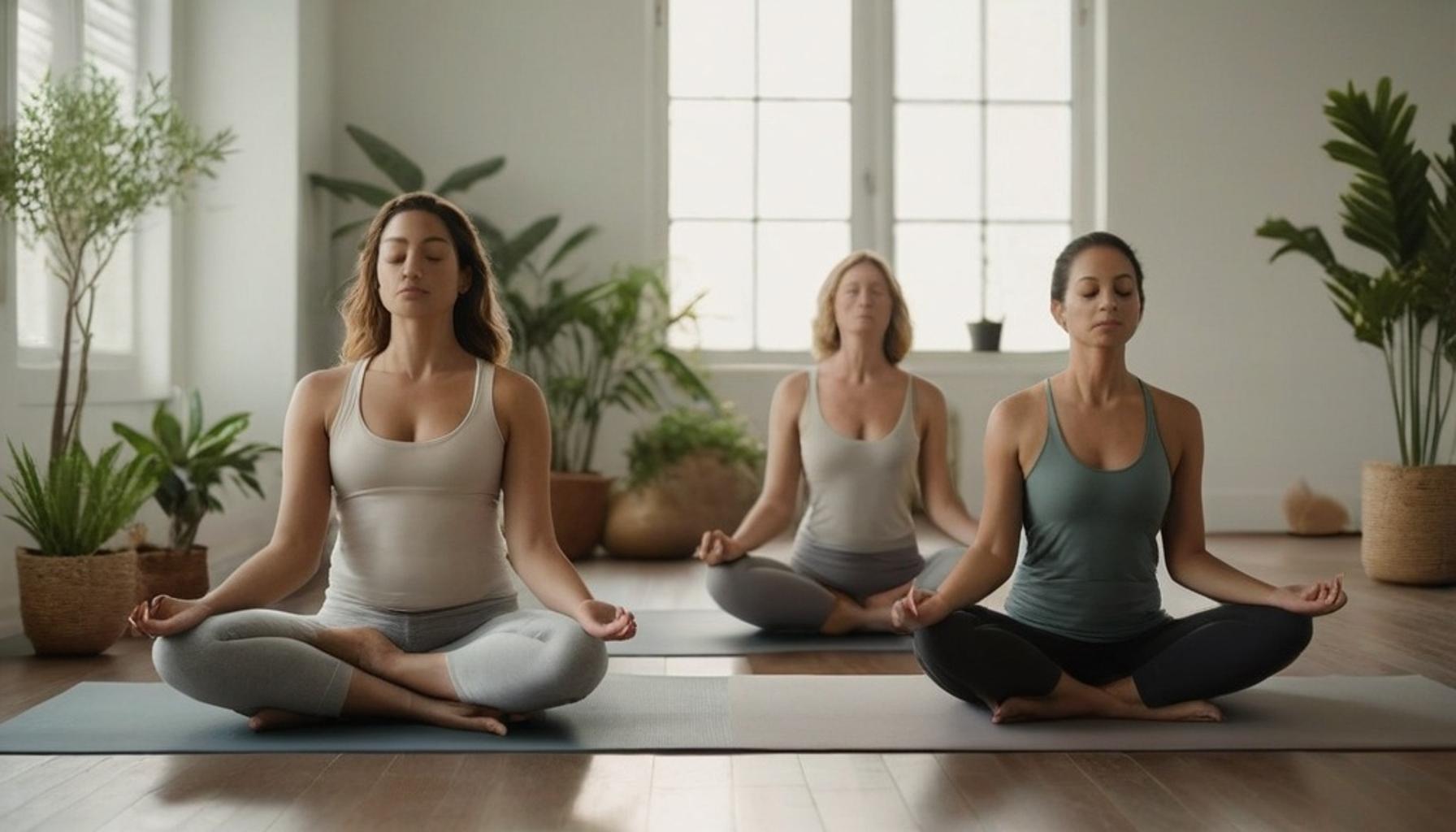
Relaxation Strategies to Improve Sleep Quality
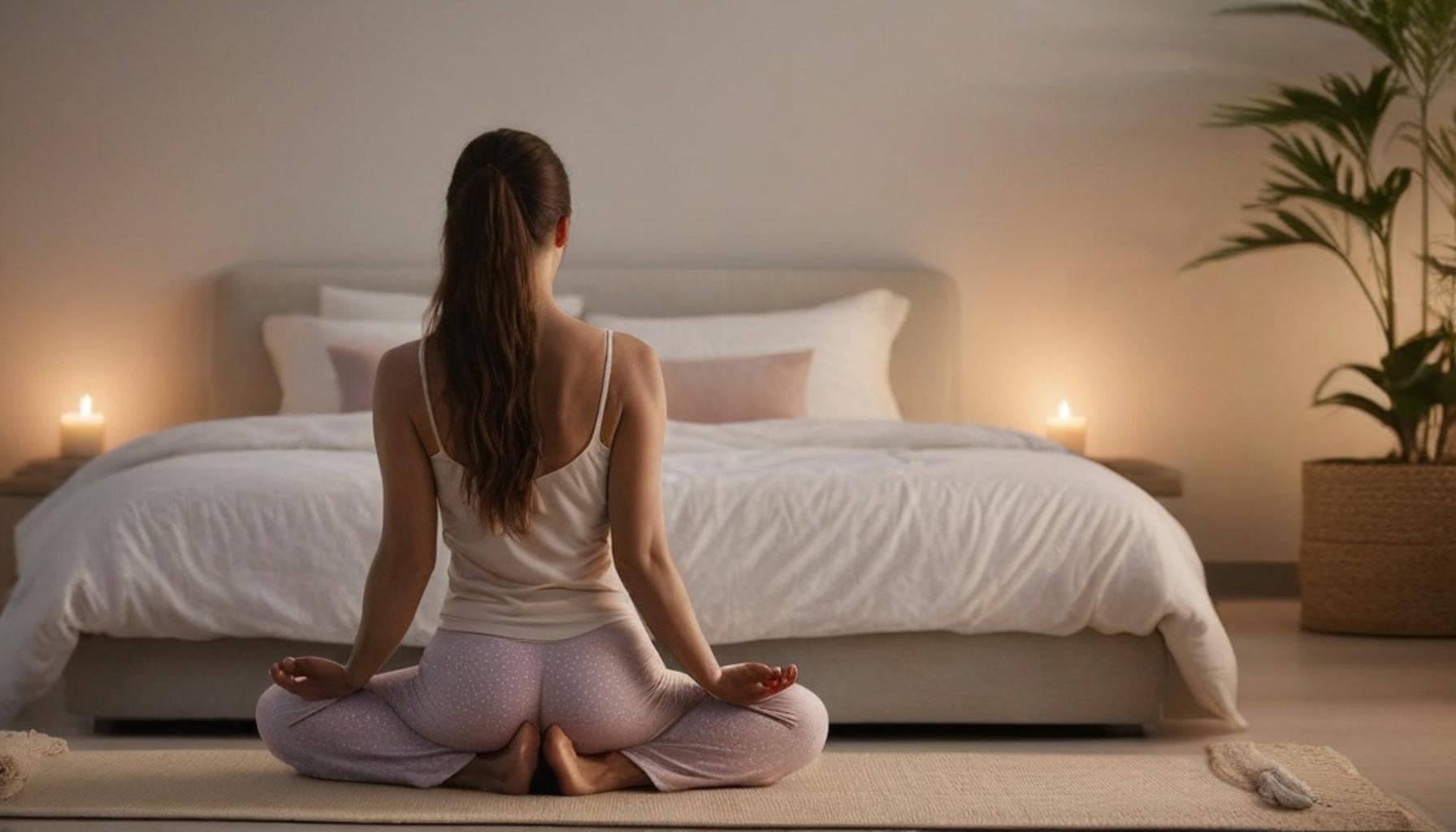
Why Millions of Americans Are Struggling to Get Restful Sleep
Nearly 1 in 3 adults in the United States doesn’t get enough sleep, according to the CDC. Stress, screen time, and packed schedules are quietly sabotaging bedtime routines across the country.
The good news? Relaxation Strategies for Sleep offer a science-backed path to reclaiming those lost hours of rest.
The Hidden Cost of a Sleepless Nation
Walk into any coffee shop from Seattle to Miami and you’ll notice the same thing: bleary eyes, oversized travel mugs, and phones lit up with notifications from the night before. This isn’t just a coincidence—it’s a symptom of a nationwide sleep crisis that experts have been tracking for years. Americans are working longer hours, juggling side gigs, and scrolling through social media well past midnight, all while their bodies desperately need rest.
What’s often overlooked is how these habits compound over time. A single restless night might leave you groggy, but chronic sleep deprivation rewires how your brain and body function. Research has linked insufficient sleep to elevated cortisol levels, disrupted appetite hormones, and impaired decision-making. In other words, that “I’ll catch up on sleep this weekend” mentality rarely delivers the recovery people expect.
What This Article Covers
This guide breaks down practical, easy-to-follow methods to improve sleep quality without relying on medication. Expect real techniques, not vague advice.
- Simple relaxation techniques for better sleep you can start tonight
- Evidence-based bedtime relaxation exercises used by sleep specialists
- Practical sleep quality tips tailored to busy American lifestyles
- Step-by-step calming rituals for sleep that fit into any schedule
From deep breathing exercises to progressive muscle relaxation, the strategies ahead are designed to quiet a racing mind. Some take less than five minutes, making them realistic even for parents juggling school drop-offs or professionals working late-night shifts.
Why This Matters Now
Poor sleep isn’t just about feeling tired—it’s linked to weight gain, weakened immunity, and increased risk of chronic disease. Understanding how to unwind properly could be the missing piece in your overall health puzzle.
Consider this: the American Academy of Sleep Medicine has repeatedly warned that inadequate rest contributes to conditions like hypertension, type 2 diabetes, and even depression. Yet most people continue to treat sleep as an afterthought rather than a pillar of health, right alongside diet and exercise. That mindset is starting to shift, especially as more Americans turn to wearable trackers and sleep apps to monitor their nightly patterns.
Ready to transform restless nights into deep, restorative sleep? Let’s explore the strategies that actually work, and why they might be more accessible than you think.
LEARN MORE: Impact of Diet on Sleep Quality: Foods That Favor and Hinder
The Science Behind Relaxation Strategies for Sleep
Before diving into techniques, it helps to understand why Relaxation Strategies for Sleep actually work. Your body relies on a delicate balance between the sympathetic nervous system (fight-or-flight) and the parasympathetic nervous system (rest-and-digest). Most Americans spend their days stuck in sympathetic overdrive—rushing to meetings, answering emails at stoplights, and consuming caffeine like it’s a food group. According to the CDC, more than a third of American adults report not getting enough sleep on a regular basis, and this constant state of alertness is a major contributing factor.
When bedtime finally arrives, that revved-up nervous system doesn’t just switch off. It lingers, keeping heart rate elevated and cortisol levels higher than they should be. This is where deliberate relaxation techniques for better sleep come into play, essentially giving your body permission to downshift. Think of it as flipping an internal switch that tells every organ system, from your heart to your digestive tract, that it’s safe to power down for the night.
How Stress Hormones Sabotage Sleep
Cortisol, often called the “stress hormone,” follows a natural rhythm that should dip in the evening. But chronic stress—whether from work deadlines, financial pressure, or family obligations—can keep cortisol elevated well past sunset. The result? Racing thoughts, restlessness, and that frustrating feeling of being “tired but wired.”
A 2022 study published in the Journal of Clinical Sleep Medicine found that individuals who practiced structured relaxation routines before bed fell asleep an average of 15 minutes faster than those who didn’t. That might sound modest, but over weeks and months, it translates into significantly more restorative sleep cycles. Researchers noted that participants also reported fewer nighttime awakenings, suggesting the benefits extend well beyond simply drifting off faster.
The Body’s Physical Response to Relaxation
Relaxation isn’t just a mental exercise—it triggers measurable physiological changes. When you practice calming rituals for sleep, several things happen simultaneously:
- Heart rate slows, signaling safety to the brain
- Blood pressure decreases, easing strain on the cardiovascular system
- Muscle tension releases, reducing physical discomfort
- Breathing becomes slower and deeper, increasing oxygen flow
These shifts don’t happen by accident. They’re the direct result of activating the parasympathetic nervous system through intentional practice, something sleep specialists across the country now recommend as a first-line, drug-free approach to improve sleep quality. Unlike sleep medications, which often come with grogginess or dependency risks, these physiological changes carry no side effects and can be practiced indefinitely without diminishing returns.
Why Willpower Alone Won’t Cut It
Many people assume they can simply “will” themselves to relax by lying in bed and closing their eyes. Unfortunately, that’s not how the nervous system operates. Relaxation requires active engagement, not passive waiting. In fact, forcing yourself to fall asleep often backfires, creating additional anxiety that feeds directly into the very stress response you’re trying to escape.
This is precisely why structured sleep quality tips—like guided breathing patterns or muscle relaxation sequences—tend to outperform generic advice such as “just relax” or “stop thinking about work.” These methods work because they give the brain a specific, repeatable task to focus on, effectively crowding out the intrusive thoughts that typically keep people staring at the ceiling. The following sections break down specific, research-backed methods that give your body the tools it needs to genuinely unwind, turning what feels like an impossible nightly struggle into a manageable, even enjoyable, part of your routine.
Relaxation Strategies for Sleep: A Quick Comparison
Choosing the right relaxation techniques for better sleep can feel overwhelming, but understanding how each method works makes it easier to build a personalized routine. Below is a snapshot of proven bedtime relaxation exercises and the specific benefits they offer, helping you decide which calming rituals for sleep might fit your lifestyle.
| Technique | Primary Benefit |
|---|---|
| Deep Breathing (4-7-8 Method) | Lowers heart rate and activates the parasympathetic nervous system within minutes |
| Progressive Muscle Relaxation | Releases physical tension, easing the transition into deep sleep |
| Guided Meditation | Reduces racing thoughts, a key step to improve sleep quality |
| Aromatherapy (Lavender Oil) | Signals the brain to unwind, supporting consistent sleep quality tips |
Each of these Relaxation Strategies for Sleep targets a different trigger of nighttime restlessness, from muscular tension to mental overstimulation, offering multiple entry points depending on individual needs.
YOU MAY ALSO LIKE: The Importance of Sleep Hygiene for Improving Sleep Quality
Proven Relaxation Techniques for Better Sleep
Once you understand the science, the next logical step is putting it into practice. Not every method works for every person, and that’s actually good news—it means you have options. Sleep specialists at institutions like the Mayo Clinic and Cleveland Clinic have spent years studying which relaxation techniques for better sleep deliver measurable results, and several stand out for their simplicity and effectiveness.
Progressive Muscle Relaxation (PMR)
Developed in the 1930s by physician Edmund Jacobson, progressive muscle relaxation remains one of the most studied bedtime relaxation exercises available today. The technique involves systematically tensing and releasing muscle groups, starting at your toes and working upward to your face.
A typical sequence looks like this:
- Tense your feet for 5 seconds, then release completely
- Move to your calves, repeating the tense-and-release cycle
- Continue through thighs, abdomen, hands, arms, shoulders, and face
- Notice the contrast between tension and relaxation at each stage
Research from the American Academy of Sleep Medicine suggests PMR can reduce the time it takes to fall asleep by nearly 20 percent when practiced consistently over four weeks.
The 4-7-8 Breathing Method
Popularized by Dr. Andrew Weil, this breathing pattern has gained massive traction among Americans searching for natural sleep quality tips that require zero equipment or cost. The method is straightforward: inhale through your nose for four counts, hold your breath for seven counts, then exhale slowly through your mouth for eight counts.
What makes this technique compelling is its impact on carbon dioxide levels in the bloodstream, which research suggests can trigger a calming response in the vagus nerve—the primary highway connecting your brain to your body’s relaxation systems.
Guided Imagery and Visualization
Rather than fighting intrusive thoughts, guided imagery redirects mental focus toward calming, sensory-rich scenarios. Picture a quiet beach in Cape Cod or a cabin tucked into the Smoky Mountains—the specific location matters less than the vividness of the mental picture.
Apps like Calm and Headspace have built entire business models around this concept, and a 2021 survey found that nearly 40 percent of American adults have tried at least one sleep-focused meditation app. Users consistently report that structured visualization helps quiet the mental chatter that typically accompanies bedtime anxiety.
Warm Baths and Temperature Regulation
Here’s a detail many people overlook: taking a warm bath 90 minutes before bed doesn’t just feel relaxing—it manipulates your core body temperature in a way that promotes drowsiness. As your body cools down after leaving the warm water, it mimics the natural temperature drop that occurs during sleep onset.
A meta-analysis published in Sleep Medicine Reviews examined this effect across multiple studies and found that bathing at the right time before bed improved overall calming rituals for sleep by helping participants fall asleep faster and experience deeper initial sleep stages.
Making Relaxation a Lifelong Sleep Habit
Roughly 70 million Americans deal with some form of chronic sleep disruption, according to the CDC. That statistic alone explains why relaxation strategies for sleep have moved from niche wellness advice to mainstream medical recommendation. The techniques covered here—progressive muscle relaxation, 4-7-8 breathing, guided imagery, and strategic warm baths—aren’t competing methods. They’re complementary tools that work best when combined into a personalized nightly routine.
Think of it less as finding a single fix and more as building a toolkit. Some nights call for the physical release of PMR after a tense day at work. Other nights, a few rounds of 4-7-8 breathing might be all that’s needed to quiet a racing mind. The goal isn’t perfection; it’s consistency.
What separates people who successfully improve sleep quality from those who continue struggling often comes down to patience. Sleep researchers at Cleveland Clinic note that most relaxation practices require two to four weeks of regular use before benefits become noticeable and lasting.
Consider starting small. Pick one technique this week rather than attempting all four simultaneously. Notice how your body responds, then layer in additional calming rituals for sleep as they feel natural.
Sleep isn’t just downtime—it’s when the brain consolidates memory, repairs tissue, and regulates hormones critical to long-term health. Investing a few minutes each evening in proven relaxation techniques isn’t indulgent; it’s preventative medicine. The science is clear, the methods are accessible, and the only real cost is a modest commitment to trying something new tonight.
Frequently Asked Questions
What is the most effective relaxation strategy for sleep if I only have 10 minutes before bed?
Diaphragmatic breathing, such as the 4-7-8 technique, is one of the fastest relaxation strategies for sleep because it directly slows your heart rate and activates the parasympathetic nervous system. Simply inhale for 4 seconds, hold for 7, and exhale for 8, repeating four to six times while lying in bed. This can be paired with progressive muscle relaxation for an even quicker calming effect.
Can relaxation strategies for sleep actually help with insomnia, or do I need medication?
Research shows relaxation techniques like guided imagery, body scans, and progressive muscle relaxation can significantly reduce the time it takes to fall asleep and improve overall sleep quality, especially for stress-related insomnia. They’re often used as part of Cognitive Behavioral Therapy for Insomnia (CBT-I), which many sleep specialists recommend before medication. However, chronic or severe insomnia should still be discussed with a doctor to rule out underlying conditions.
Why doesn’t meditation help me fall asleep even though it’s supposed to be relaxing?
Meditation can sometimes fail to induce sleep if you’re using an alert, seated posture or a technique that requires active focus, like counting breaths precisely. For sleep specifically, try lying down and using sleep-focused practices like body scan meditations or non-sleep deep rest (NSDR) audio guides instead. It also helps to lower expectations—forcing relaxation often backfires, so let your mind wander gently rather than chasing sleep directly.
Are there relaxation strategies for sleep that work well for people who wake up at 3 a.m. and can’t fall back asleep?
For middle-of-the-night waking, the key is avoiding stimulation like checking your phone or clock, which can trigger cortisol release. Instead, try the ‘4-7-8 breathing method’ or a body scan while staying in bed with eyes closed, focusing on staying still and calm even if sleep doesn’t come immediately. If you’re still awake after 20 minutes, get up briefly, dim lights, and do a quiet, non-stimulating activity before returning to bed.

Linda Carter
Linda Carter is a writer specializing in healthy habits and balanced living. With extensive experience helping readers build sustainable routines, she shares practical guidance on nutrition, physical activity, quality sleep, stress management, and emotional well-being. Her goal is to offer simple, accessible strategies that inspire people to care for their health and enjoy a more balanced life.