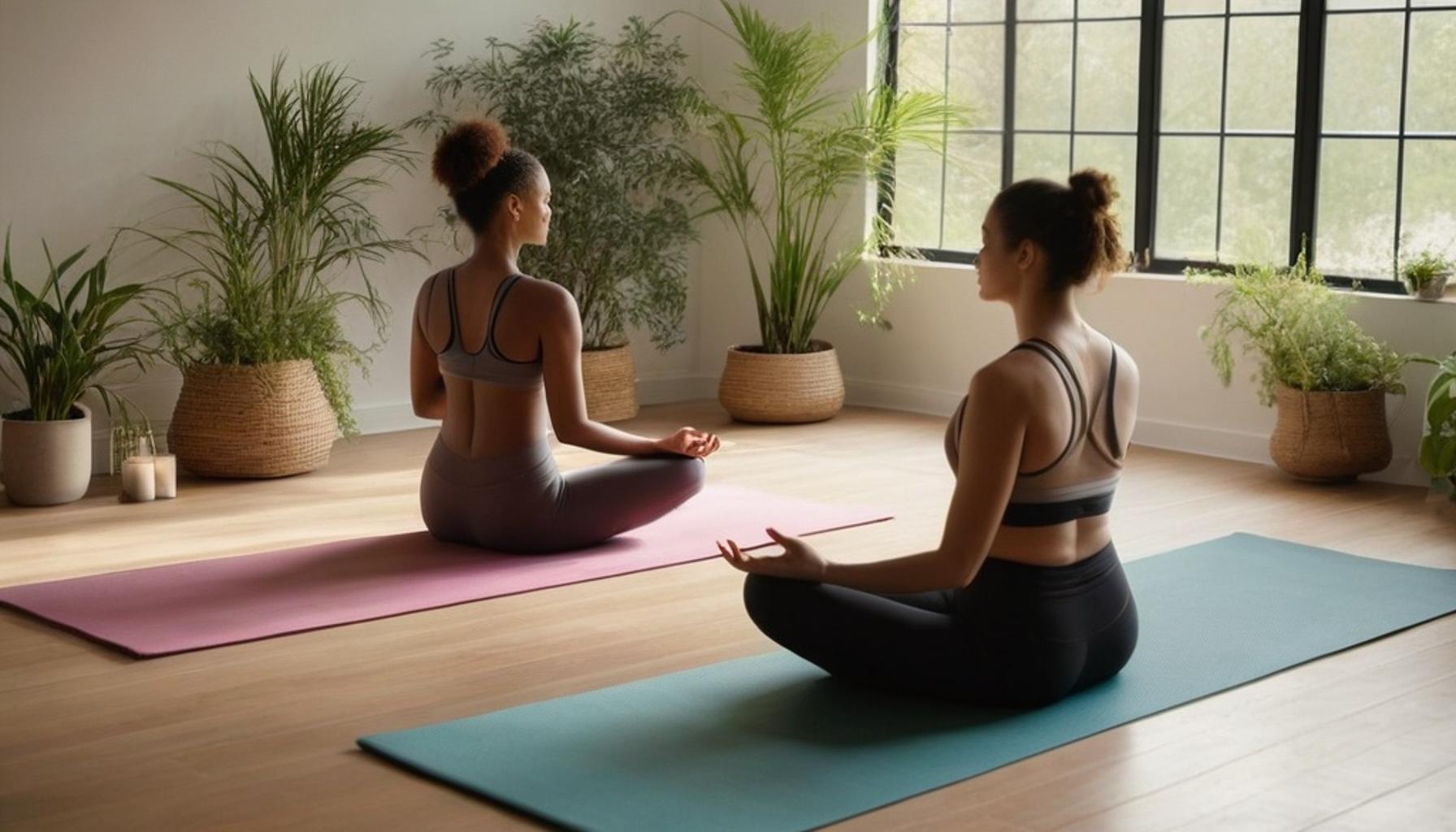
Mindfulness Practices for Stress Relief: Incorporating Meditation into Daily Routines
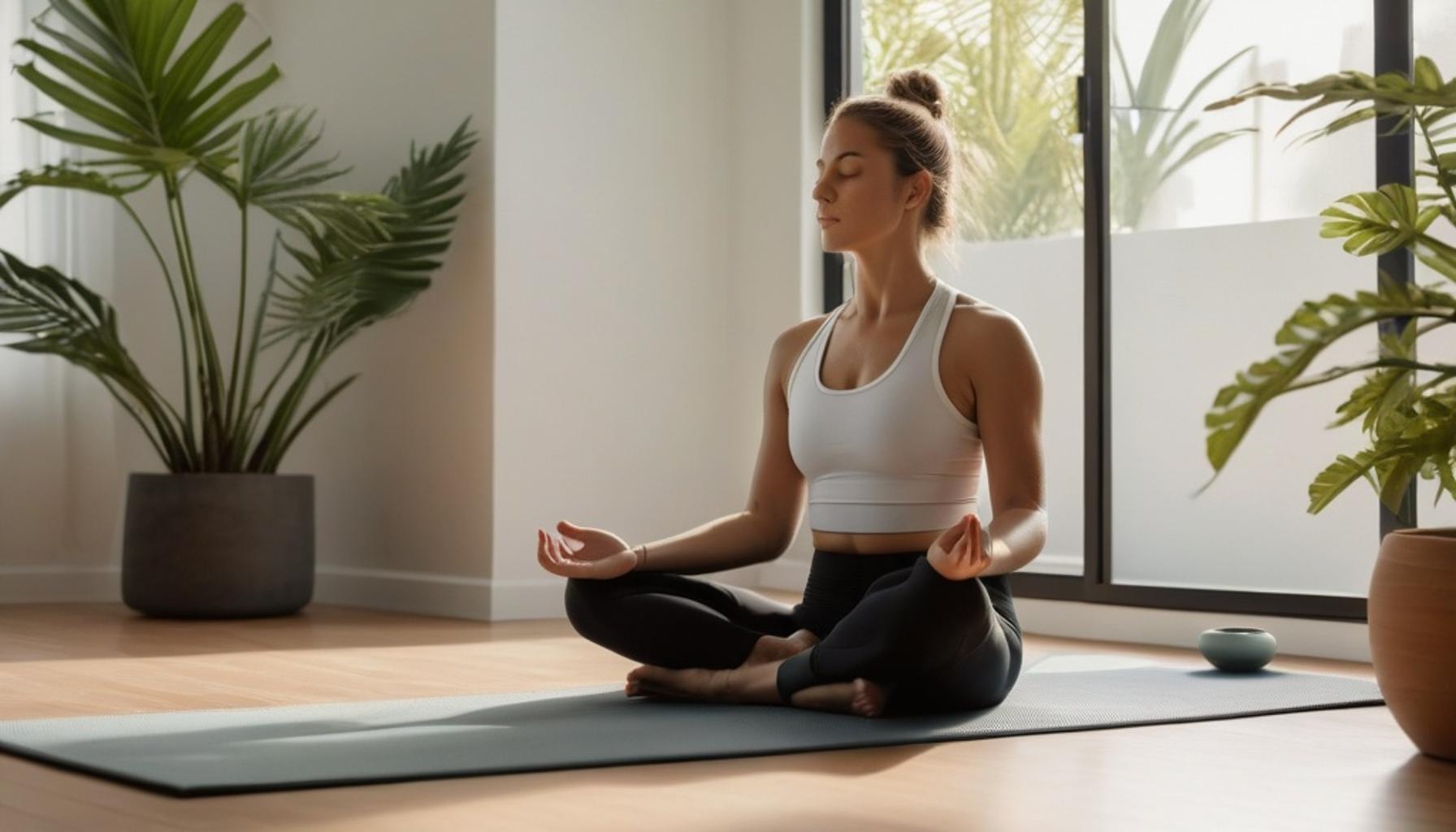
Why Americans Are Turning to Mindfulness Practices for Stress Relief
Nearly 77% of Americans report experiencing physical symptoms caused by stress, according to the American Psychological Association. From traffic jams on the I-95 to overflowing inboxes, modern life leaves little room to breathe. That’s why more people are exploring mindfulness practices for stress relief as a practical, science-backed solution. Whether it’s a parent juggling remote work and school pickups in the suburbs of Ohio, or a startup employee navigating deadlines in Austin, the search for calm has become a shared national experience.
What makes this shift particularly interesting is how mainstream it has become. Just a decade ago, meditation was often dismissed as a niche activity. Today, it’s discussed on morning news segments, integrated into workplace wellness programs, and even prescribed by therapists as a complement to traditional treatment plans.
The Rise of Daily Meditation Routines
Meditation is no longer reserved for yoga studios or wellness retreats. It’s showing up in corporate offices, school classrooms, and even smartphone apps used during lunch breaks. Companies like Google and Nike have famously implemented in-house meditation rooms, signaling a broader cultural acceptance of mindfulness as a legitimate productivity and wellness tool.
Popular stress relief techniques now being adopted nationwide include:
- Five-minute breathing exercises before work meetings
- Guided meditation apps like Headspace and Calm
- Mindful walking during commutes
- Body scan techniques before bedtime
- Journaling paired with short reflective pauses
These small shifts are proving that incorporating meditation into life doesn’t require hours of free time. Even a few intentional minutes, squeezed between carpool duty and conference calls, can create measurable change over time.
What the Research Reveals
Studies published by Harvard Medical School suggest regular mindfulness practice can lower cortisol levels and improve emotional regulation. Researchers have also linked consistent practice to structural changes in the brain, particularly in regions associated with memory and stress response. The benefits of mindfulness extend beyond relaxation, potentially impacting sleep quality, focus, and even heart health.
Some studies have gone further, suggesting that mindfulness-based stress reduction programs may help lower blood pressure and reduce symptoms of anxiety in clinical settings. For those just starting out, simple mindfulness exercises for beginners can pave the way toward lasting change. This article breaks down exactly how to build a sustainable practice, one mindful moment at a time.
LEARN MORE: The importance of mindfulness practice in stress management
# Building a Foundation: How to Start Your Mindfulness Journey
Getting started with mindfulness practices for stress relief doesn’t require a meditation cushion, a quiet mountain retreat, or hours of spare time. In fact, most wellness experts agree that starting small is the most effective path toward long-term consistency. The key lies in understanding that mindfulness is a skill, not a personality trait, meaning anyone can develop it with the right approach.
For someone commuting through downtown Chicago or managing a household in suburban Atlanta, the challenge isn’t a lack of interest in mindfulness. It’s a lack of structure. That’s why many mindfulness exercises for beginners focus on anchoring practice to existing habits rather than creating entirely new routines from scratch.
Simple Entry Points for Newcomers
Behavioral psychologists often point to “habit stacking” as an effective strategy. This means pairing a new mindfulness habit with something you already do daily, such as brushing your teeth or waiting for coffee to brew. The logic behind this approach is rooted in neuroscience: the brain forms stronger associations when new behaviors are linked to established cues, making the practice feel less like a chore and more like a natural extension of the day.
Consider these beginner-friendly entry points that require minimal time investment:
- Taking three deep breaths before checking your phone in the morning
- Practicing a one-minute body scan while waiting in the school pickup line
- Using red traffic lights as a cue to notice your breathing
- Setting a mindful reminder during a lunch break at work
- Ending the day with a two-minute gratitude reflection before sleep
These stress relief techniques aren’t about achieving a completely empty mind. They’re about creating brief pauses that interrupt the autopilot mode most Americans operate in throughout their day. Even something as ordinary as loading the dishwasher or folding laundry can become an opportunity to notice texture, temperature, and movement rather than letting the mind drift toward tomorrow’s to-do list.
Why Consistency Matters More Than Duration
Research from the University of California, Los Angeles, has found that consistency plays a more significant role in stress reduction than the length of each session. A person who meditates for five minutes daily often sees better results than someone who meditates for an hour once a week. This pattern mirrors findings in exercise science, where frequency tends to outperform intensity when building sustainable habits.
This finding is particularly relevant for busy professionals and parents who assume they don’t have enough time to benefit from mindfulness. The truth is that incorporating meditation into life is less about finding extra hours and more about reshaping how existing minutes are spent. A five-minute practice squeezed between meetings or during a child’s soccer practice can carry the same long-term value as a formal, lengthy session.
Understanding this shift in mindset is often the first breakthrough people experience. Once the pressure to “meditate perfectly” is removed, the practice becomes significantly easier to sustain, setting the stage for deeper techniques explored in the next section. As more Americans juggle demanding schedules, this low-barrier approach may explain why interest in everyday mindfulness continues to grow across households nationwide.
Key Elements of Mindfulness Practices for Stress Relief
Understanding the core components of mindfulness practices for stress relief helps beginners build sustainable habits. The table below breaks down essential aspects of daily meditation routines and their practical benefits, offering a quick reference before diving deeper into implementation strategies.
| Practice Element | Benefit & Application |
|---|---|
| Breath Awareness | Reduces cortisol levels within minutes; ideal for mindfulness exercises for beginners |
| Body Scan Meditation | Releases muscle tension and improves sleep quality over time |
| Morning Routine Integration | Establishes consistency, a key factor when incorporating meditation into life |
| Long-Term Effects | Studies link regular practice to lower anxiety, among the top benefits of mindfulness |
These stress relief techniques demonstrate measurable impact even with sessions as short as ten minutes daily, making them accessible for busy schedules.
YOU MAY ALSO LIKE: The importance of meditation in stress management: techniques to incorporate into daily routine
# Deepening the Practice: Structured Techniques and Measurable BenefitsOnce the basics feel comfortable, many people find themselves ready to explore more structured daily meditation routines. This transition often happens naturally, somewhere between week three and week six of consistent practice, when the brain begins craving longer stretches of stillness rather than resisting them.At this stage, the goal shifts from simply remembering to pause toward understanding which specific techniques address which specific stressors. Not all mindfulness practices work the same way, and knowing the differences can make the practice far more effective.## Matching Techniques to Stress TriggersDifferent forms of stress respond to different approaches. Someone dealing with racing thoughts before bed may need a different technique than someone managing tension headaches from a demanding job in New York or Los Angeles.Consider how these popular stress relief techniques target distinct experiences:
- Box breathing (inhaling, holding, exhaling, and holding again for four counts each) is often used by military personnel and first responders to calm acute anxiety within seconds
- Progressive muscle relaxation helps release physical tension stored in the shoulders, jaw, and lower back
- Loving-kindness meditation addresses interpersonal stress, such as conflict with coworkers or family members
- Walking meditation supports people who find seated stillness uncomfortable or restless
- Body scanning improves awareness of early stress signals before they escalate into full-blown tension
Choosing the right tool for the right moment tends to produce faster, more noticeable relief than applying a single technique to every situation.## What the Research Actually ShowsThe benefits of mindfulness extend well beyond subjective feelings of calm. A widely cited study published in JAMA Internal Medicine found that eight weeks of mindfulness-based stress reduction produced improvements in anxiety symptoms comparable to those achieved with certain antidepressant medications.Other research from Harvard Medical School has documented measurable changes in the amygdala, the brain’s stress-processing center, after consistent meditation practice. Participants who meditated for just 27 minutes a day over eight weeks showed reduced gray matter density in regions associated with anxiety and stress reactivity.These findings matter because they shift mindfulness from the realm of anecdotal wellness trends into something backed by clinical evidence. For skeptics who view meditation as vague or unscientific, this data offers a compelling reason to reconsider.## Tracking Progress Without Overcomplicating ItMany people abandon mindfulness practices because they expect dramatic transformation within days. In reality, most benefits accumulate gradually, often becoming noticeable only when someone reflects on how they handled a stressful situation compared to months earlier.Simple tracking methods can help maintain motivation:
- Jotting a single word describing mood immediately after each session
- Noting how quickly the body relaxes during practice compared to previous weeks
- Observing whether reactions to minor frustrations, like traffic or slow Wi-Fi, feel less intense
This kind of light tracking keeps the practice grounded in real, personal data rather than abstract wellness ideals, making it easier to stay committed over the long run.
Bringing It All Together: Making Mindfulness Stick
Building sustainable mindfulness practices for stress relief isn’t about achieving a perfectly quiet mind or meditating for an hour every morning. It’s about small, consistent choices that compound over time, much like compound interest in a savings account, except the returns show up in lower cortisol levels and steadier moods instead of dollar signs.
The Bigger Picture
Throughout this discussion, one theme keeps resurfacing: personalization matters more than perfection. What works for a nurse pulling twelve-hour shifts in Chicago might look completely different from what works for a freelance graphic designer in Austin. Some people find relief in box breathing during a five-minute break, while others need the full-body release of progressive muscle relaxation before bed.
The research backs this flexibility. Studies from institutions like Harvard Medical School and findings published in JAMA Internal Medicine confirm that consistency, not intensity, drives measurable change in the brain’s stress response.
Where to Go From Here
For anyone still hesitant, starting small remains the most practical advice. A few mindfulness exercises for beginners, practiced consistently, often outperform ambitious routines abandoned after a week.
Consider these next steps:
- Pick one technique from this article and commit to it for fourteen days before adding another
- Set a recurring reminder rather than relying on willpower alone
- Revisit progress notes monthly to notice subtle shifts in reactivity and mood
Incorporating meditation into life doesn’t require a retreat in the mountains or expensive apps. It requires curiosity, patience, and a willingness to sit with discomfort long enough to notice it fading. That alone makes the practice worth exploring further.
Frequently Asked Questions
How long should I meditate each day to notice a reduction in stress?
Research suggests that just 10 to 15 minutes of daily meditation can start lowering cortisol levels and improving mood within a few weeks. Consistency matters more than duration, so a short daily session is more effective than a long, sporadic one. As you build the habit, you can gradually extend sessions to 20-30 minutes for deeper stress relief.
What is the best time of day to practice mindfulness for stress relief?
Many people find that meditating in the morning helps set a calm tone for the day and reduces reactivity to stressors. However, practicing mindfulness in the evening can also help release accumulated tension and improve sleep quality. The best time is ultimately whichever slot you can consistently commit to without feeling rushed.
Can mindfulness practices help with work-related stress specifically?
Yes, techniques like mindful breathing breaks, brief body scans, and setting intentional pauses between tasks can significantly reduce workplace stress and improve focus. Many companies now incorporate mindfulness training because it lowers burnout rates and enhances productivity. Even a two-minute breathing exercise before a stressful meeting can help regulate your nervous system.
Do I need a quiet space or special equipment to start a mindfulness practice?
No, mindfulness can be practiced almost anywhere, including at your desk, during a commute, or while doing household chores. While a quiet space is helpful for beginners to minimize distractions, apps and guided audio can make practice accessible in noisier environments too. The key is focusing attention on the present moment, not the physical setting.
How is mindfulness meditation different from other relaxation techniques like deep breathing?
Deep breathing is often a component of mindfulness meditation, but mindfulness specifically involves nonjudgmental awareness of thoughts, feelings, and bodily sensations as they arise. Other relaxation techniques may focus solely on physical calming, while mindfulness also trains the mind to respond to stress with greater clarity and less reactivity. Combining both approaches often yields the most comprehensive stress relief benefits.
What should I do if my mind keeps wandering during meditation and it increases my frustration?
Mind wandering is completely normal, even for experienced meditators, so try not to judge yourself when it happens. Gently acknowledge the distraction and guide your attention back to your breath or chosen anchor without frustration. Over time, this practice of noticing and returning actually strengthens your ability to manage stress in daily life.

Linda Carter
Linda Carter is a writer specializing in healthy habits and balanced living. With extensive experience helping readers build sustainable routines, she shares practical guidance on nutrition, physical activity, quality sleep, stress management, and emotional well-being. Her goal is to offer simple, accessible strategies that inspire people to care for their health and enjoy a more balanced life.